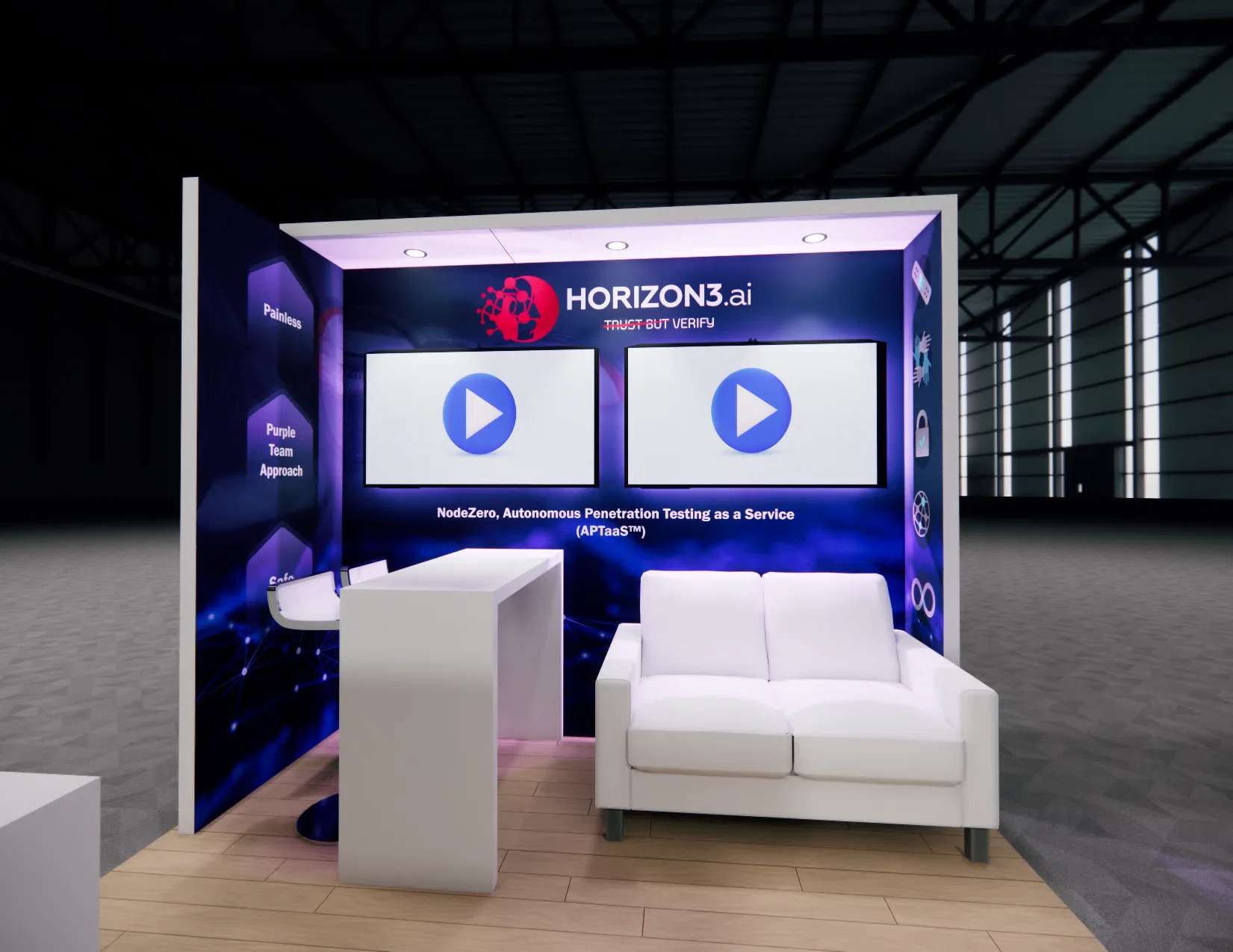
Essential Focus Areas for Executing Pop-Up Brand Experiences
- Venue-compliant structural engineering to handle load requirements at multi-level convention facilities
- Integrated utility forecasting for power, data, and HVAC demands during extended activation periods
- Modular fabrication techniques that enable quick assembly in dock-constrained environments
- Audience flow optimization aligned with event traffic patterns in exhibition halls
- Sustainability integrations using recyclable materials suitable for repeated venue deployments
- Digital enhancement layers for trackable engagement in hospitality-adjacent spaces
- Post-activation debrief protocols to refine future iterations across Dallas venue clusters
Selecting the Right Dallas Venue for Your Pop-Up Activation
Choosing among Dallas venues like the Kay Bailey Hutchison Convention Center Dallas requires evaluating space configurations that accommodate pop-up footprints, from expansive exhibit halls ideal for large-scale brand immersions to more contained areas in the Fashion Industry Gallery suited for targeted fashion or lifestyle experiences. Planners must review venue directories and exhibitor resources to confirm availability of flat-floor zones free from permanent obstructions, ensuring that pop-up elements such as interactive kiosks or projection-mapped walls fit within load-bearing limits and sightline considerations. This selection process also involves cross-referencing event calendars to align activations with complementary gatherings, maximizing exposure in high-density periods without overlapping critical pathways.
The Dallas Market Hall offers robust exhibition hall capabilities for pop-ups emphasizing trade-oriented displays, where coordinators prioritize proximity to main entrances for natural draw while planning for shared utility grids that support multiple activations simultaneously. Similarly, convention hotels such as the Omni Dallas Hotel provide hybrid spaces blending ballroom flexibility with lobby adjacencies, allowing pop-ups to spill into pre-function areas for extended dwell times. Advance venue consultations via official channels ensure compliance with spacing rules, preventing conflicts with neighboring exhibitors and facilitating smooth transitions during multi-day events.
For special events venues like the Fashion Industry Gallery, pop-up planning centers on thematic synergy, where brands craft narratives around apparel showcases or accessory trials that resonate with the venue's creative ambiance. Operational mapping includes plotting entry points, emergency egress alignments, and service corridors to maintain flow, drawing from exhibitor guidelines that outline permissible temporary modifications. This venue-centric strategy underpins successful deployments across Dallas's diverse facilities, balancing ambition with practical constraints.
Irving Convention Center at Las Colinas and Gaylord Texan Resort & Convention Center in Grapevine extend options for suburban activations, where larger resort footprints enable outdoor-indoor hybrids, but Dallas core venues remain focal for urban density. Coordinators compile venue matrices detailing dock proximity, freight elevator capacities, and rigging approvals to inform final selections.
Design and Fabrication Strategies Tailored to Venue Constraints
Design phases for the experiences at the Kay Bailey Hutchison Convention Center Dallas begin with 3D renderings that simulate real-world interactions under venue lighting conditions, incorporating modular panels that assemble via tool-less connections to expedite setup in time-sensitive dock schedules. Fabrication emphasizes lightweight composites resistant to humidity fluctuations common in Texas climates, ensuring structural integrity for suspended elements like brand totems or kinetic sculptures without triggering additional engineering reviews. These strategies align with exhibitor expectations for self-contained units that minimize floor penetrations and cable management issues.
At the Dallas Market Hall, fabrication workflows prioritize scalability, producing components that stack efficiently for transport and deploy across varying booth perimeters, from 10x10 footprints to island configurations. Integration of RFID-enabled interactives allows real-time data capture, enhancing post-event analysis while adhering to venue policies on wireless frequencies. For Fashion Industry Gallery pop-ups, designs lean toward boutique aesthetics with customizable facades that evoke retail environments, fabricated to precise tolerances for smooth adjacency with static displays.
Hospitality venues like Hyatt Regency Dallas influence designs toward vertical emphasis, utilizing tension fabrics and slim profiles to navigate lower ceilings and carpeted surfaces, preserving existing aesthetics. Comprehensive material specs sheets, vetted against venue flammability standards, form the backbone of fabrication orders, ensuring all elements arrive pre-tested for Plug and Play efficiency.
- Freestanding partitions with integrated leveling feet for uneven convention floors
- Battery-backed AV systems to supplement primary power feeds
- Demountable flooring tiles for hidden storage and cable routing
Logistics and Freight Coordination for Smooth Deployment
Freight logistics for the experiences at Kay Bailey Hutchison Convention Center Dallas hinge on pre-scheduled dock appointments, where planners sequence arrivals to match designated unloading windows and utilize provided carts for hall transport, avoiding peak congestion periods that could delay critical path items like structural frames. Coordination involves generating detailed manifests categorizing by weight class and fragility, ensuring compliance with exhibitor dock protocols that prioritize official service partners for oversize handling. This methodical approach transforms potential bottlenecks into streamlined operations, particularly for multi-truck shipments supporting complex immersives.
Dallas Market Hall logistics emphasize ground-level access advantages, allowing direct pallet jack maneuvers from curbside to exhibit zones, with planners forecasting crating volumes to optimize trailer packing and reduce drayage costs. For venues like Fashion Industry Gallery, smaller-scale logistics focus on Just in Time deliveries via passenger vans for delicate props, minimizing storage needs in space-constrained loading areas. Across all sites, digital tracking portals synchronize supplier ETAs with on-site receiving teams.
Extended networks including Irving and Grapevine venues require regional routing plans that account for interstate tolls and suburban dock queues, but Dallas-centric activations benefit from centralized freight hubs. Post-delivery inventories confirm completeness before advance warehousing simulations guide reassembly sequences.
Utility Ordering and Technical Infrastructure Setup
Utility planning for pop-ups at Kay Bailey Hutchison Convention Center Dallas starts with load calculations for high-draw elements like LED walls and fog machines, submitted via exhibitor portals to secure dedicated circuits ahead of move-in days and prevent brownouts during peak hours. Coordinators specify voltage requirements, extension run lengths, and data line quantities, cross-checking against venue utility maps to position service drops optimally within activation perimeters. This foresight extends to HVAC zoning requests that maintain ambient conditions for scent diffusers or perishable demo products.
In Dallas Market Hall setups, utilities integrate with house grids via multi-outlet whips, allowing flexible repositioning as pop-up configurations evolve mid-event. Fashion Industry Gallery activations often supplement with portable generators for off-grid features, coordinated to noise ordinances. Hotel venues like Omni Dallas Hotel demand low-decibel solutions compatible with guest room proximities, with ethernet prioritization for streaming integrations.
Comprehensive punch lists post-setup verify polarity, grounding, and bandwidth, enabling uninterrupted operations through teardown.
- Advance meter reads to baseline consumption for billing accuracy
- Surge protectors rated for exhibit amperage spikes
- Fiber optic terminations for 4K content delivery
Contractor Partnerships and Compliance Navigation
Engaging exhibitor-appointed contractors at Kay Bailey Hutchison Convention Center Dallas ensures adherence to service partner directories, where pop-up coordinators designate specialists for rigging certifications and safety inspections, streamlining approvals for overhead suspensions or mezzanine platforms. This partnership model distributes responsibilities across licensed entities for electrical inspections and fire marshal walkthroughs, mitigating risks in crowded convention environments. Documentation trails from RFP responses to final sign-offs fortify compliance records.
Dallas Market Hall collaborations focus on general contractors versed in hall-specific protocols, handling ancillary tasks like barricading and signage while core teams oversee brand-critical installs. Fashion Industry Gallery partnerships emphasize creative contractors with portfolio alignment, ensuring thematic executions meet venue aesthetic standards without permanent alterations.
Hospitality integrations at Hyatt Regency Dallas involve hotel-vetted providers for guest-impacting elements, with master service agreements outlining liability shifts.
Installation, Operation, and Dismantle Timelines
Installation timelines for the experiences at Kay Bailey Hutchison Convention Center Dallas compress into 6-8 hour windows post-dock clearance, commencing with baseplate anchoring and progressing to cladding and tech dress rehearsals, calibrated to venue move-in grids. Operational handoffs include staff briefings on emergency protocols and engagement scripts, sustaining 24/7 viability for overnight events. Dismantle reverses this sequence, prioritizing hazardous material removal before freight repacking to meet out-bound dock calls.
Dallas Market Hall timelines leverage open-floor advantages for parallel installs, with dismantle crews pre-staged for sub-4 hour clears. Fashion Industry Gallery operations suit boutique crews, focusing on precision strikes for high-value fixtures. Cross-venue standardization via Gantt templates ensures predictability.
Metrics capture during ops informs dismantle efficiencies, like reusable component audits.
- Phased checklists synced to labor shifts
- Tool kits prepositioned per zone
- Digital twins for virtual pre-walkthroughs
Performance Measurement and Iteration Insights
Tracking pop-up efficacy at Kay Bailey Hutchison Convention Center Dallas deploys beacon tech for dwell analytics and heatmapping, correlated to conversion funnels from NFC interactions amid convention footfall. Planners aggregate qualitative feedback via on-site intercepts, benchmarking against Dallas Market Hall baselines where traffic velocity influences design tweaks. Fashion Industry Gallery metrics emphasize repeat visitor rates in niche cohorts.
Post-event dashboards quantify ROI through lead volumes and social amplifications, informing modular evolutions for Omni Dallas Hotel hybrids. Iteration cycles refine based on utility variances and contractor performance logs, perpetuating refinement across deployments.
Frequently Asked Questions About Pop-Up Brand Experiences in Dallas
Q: What makes Kay Bailey Hutchison Convention Center Dallas ideal for pop-up brand experiences?
Its extensive exhibit halls and structured exhibitor resources for docks, utilities, and service partners support complex, high-traffic activations with reliable logistics frameworks.
Q: How do I handle freight at Dallas Market Hall for a pop-up setup?
Plan for ground-level access using manifests that categorize loads, aligning deliveries with venue directories to facilitate efficient transport to exhibit spaces.
Q: Can Fashion Industry Gallery host fashion-focused pop-ups?
Yes, its special events venue configuration suits intimate brand immersions, with planning centered on thematic displays and minimal footprint requirements.
Q: What utility considerations apply at convention hotels like Omni Dallas Hotel?
Forecast power and data needs compatible with hotel grids, using low-impact solutions to integrate with lobby or ballroom activations.
Q: How to coordinate contractors for pop-ups across Dallas venues?
Reference venue service partner lists, like those at Kay Bailey Hutchison Convention Center Dallas, to assign tasks for rigging, electrical, and compliance.
Q: What timelines should I expect for install and dismantle?
Typically 6-8 hours for installs and 4-6 for dismantles at major halls, sequenced to dock schedules and move-in grids.