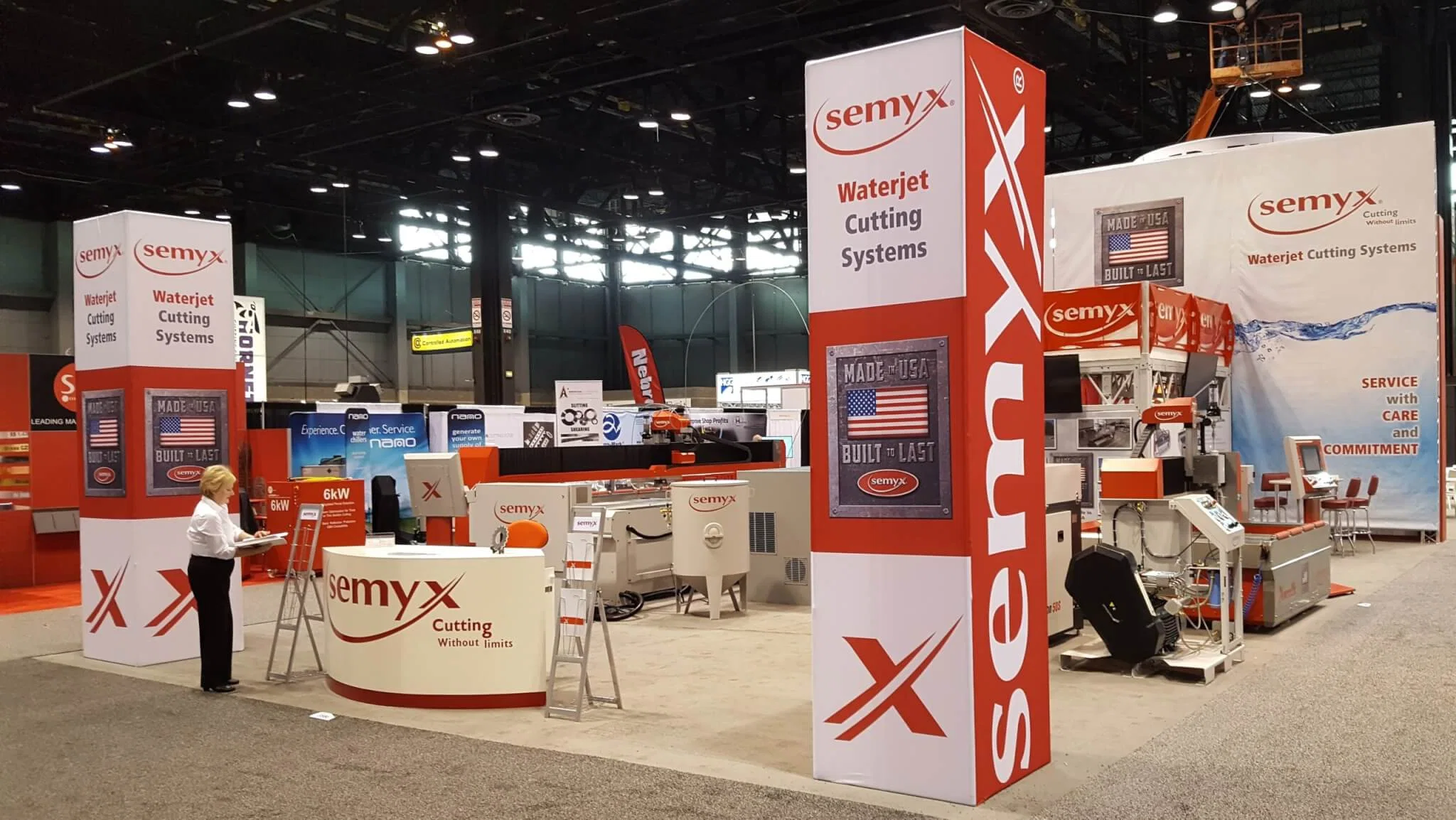
Essential Components of Trade Show Labor Coordination
- Precise forecasting of labor hours based on booth specifications and venue constraints
- Synchronization of crew schedules with dock access and freight delivery timelines
- Integration of safety protocols and equipment handling across diverse DFW facilities
- Scalable team assignments for varying exhibit sizes from 10x10 inline booths to 50x100 islands
- Coordination between EAC labor and GC-directed teams to avoid overlaps
- Contingency planning for weather, union rules, or unexpected venue changes
- Detailed post-event debriefs to refine future labor deployments
Forecasting Labor Needs for Dallas Venues
Determining the right amount of labor for trade show setups begins with a thorough analysis of booth blueprints, material manifests, and historical data from similar events at key Dallas locations. For the Kay Bailey Hutchison Convention Center Dallas, where exhibitors must order services through designated partners and adhere to strict dock protocols, labor estimates account for time spent in queue for unloading, moving crates through service halls, and positioning heavy island structures amid crowded exhibit floors. A standard 20x20 booth might require eight labor hours for install, factoring in tasks like leveling carpet, hanging graphics, and testing interactive elements, while dismantle could shave off two hours if pre-planned pack-out labels are used.
This forecasting extends to venue-specific variables, such as the Omni Dallas Hotel's reliance on freight elevators with weight limits and scheduled service windows that necessitate staggered crew shifts. At the Hyatt Regency Dallas, labor plans incorporate ballroom column placements and ceiling height restrictions that influence rigging times for suspended displays. By cross-referencing these details against freight dimensions and assembly sequences, coordination ensures crews arrive equipped with the right tools—from pallet jacks for Market Hall's concrete floors to scissor lifts for Fashion Industry Gallery's multi-level spaces—preventing idle time or rushed work that compromises quality.
- Break down booth tasks into timed phases: unload, uncrate, assemble, finish
- Adjust for venue floor load capacities and fire lane clearances
- Include buffer hours for inspections and minor adjustments
Navigating Venue Dock and Load-In Protocols
Dallas-Fort Worth venues enforce distinct dock management systems that labor coordination must master to avoid bottlenecks. The Kay Bailey Hutchison Convention Center Dallas operates multiple docks with assigned time slots based on booth location and carrier advance orders, requiring labor teams to stage precisely when freight arrives to transfer loads directly to exhibit spaces via dollies and forklifts. Coordination involves pre-submitting dock requests, monitoring carrier ETAs, and deploying spotters to guide semis through tight maneuvering areas, especially during high-volume shows where dozens of trucks line up pre-dawn.
Exhibition halls like Dallas Market Hall demand labor plans that prioritize sequential unloading to prevent aisle congestion, with crews hand-carrying smaller components up ramps while reserving forklift time for pallets. In convention hotels such as the Omni Dallas Hotel, load-in paths wind through underground garages and service elevators, compelling labor schedulers to plot multi-team handoffs that respect hourly elevator allotments and avoid peak guest check-in periods. This layered approach keeps labor flowing smoothly, transforming potential chaos into efficient operations across the venue spectrum.
For outlying spots like the Irving Convention Center at Las Colinas, coordination factors in longer hauls from DFW Airport, padding schedules for traffic on SH-114 and potential curbside unloading if docks saturate. Gaylord Texan Resort & Convention Center adds resort-specific rules, like coordinating with housekeeping shifts, ensuring labor wraps before atrium activations begin.
Scheduling Installation and Dismantle Windows
Trade show labor schedules hinge on venue-published move-in calendars, which dictate exact hours for targeted installs to prevent interference with neighboring booths. At the Kay Bailey Hutchison Convention Center Dallas, general contractor-directed labor might claim early morning slots for island builds, leaving exhibitor crews to follow with finishes during mid-morning windows, all coordinated via shared timelines that sync with electrical hookups and carpet laying. Dismantle follows show close with outbound dock reservations, where labor teams systematically break down in reverse order, compressing multi-day installs into single evenings to meet carrier pickups.
In Dallas Market Hall's fast-paced markets, labor coordination compresses I&D into overnight shifts, deploying double crews for high-footprint exhibits to clear floors before next-day buyer previews. Convention hotels like Hyatt Regency Dallas impose quieter evening dismantles to accommodate sleeping guests, requiring hushed operations with padded floors and minimal lighting, while Omni Dallas Hotel's central location demands swift pack-outs to free service areas for banquets. These schedules incorporate buffer zones for touch-ups, ensuring exhibits dazzle from open and vanish without trace.
Scalability shines in extended events at Grapevine’s Gaylord Texan, where labor plans span move-in days with phased crew rotations, building momentum toward peak show days before orchestrated teardowns that integrate with resort housekeeping rhythms.
- Align with venue's official I&D calendars published months ahead
- Stagger teams by booth zone: perimeter first, then interiors
- Pre-label all components for 20% faster dismantle
Integrating with EAC and GC Services
Labor coordination dovetails with Exhibitor Appointed Contractor and General Contractor frameworks prevalent in DFW venues, where GCs handle shared services like forklifts at Kay Bailey Hutchison Convention Center Dallas, leaving EAC labor to focus on proprietary builds. This division requires pre-event meetings to delineate responsibilities, ensuring EAC crews shadow GC teams during dock handoffs and collaborate on aisle clearances without jurisdictional disputes. Coordination platforms track assignments in real-time, flagging overlaps like simultaneous carpet work.
At facilities like Dallas Fashion Industry Gallery, smaller-scale events blend EAC and GC labor smoothly, with coordinators allocating hybrid teams versed in both protocols to manage boutique exhibit arrays. Hotels such as Omni Dallas and Hyatt Regency emphasize GC oversight for fire safety compliance, integrating EAC labor into supervised installs that verify marshal distances and exit paths. Irving Convention Center's open GC model allows flexible EAC labor scaling, coordinated against center-wide utility maps.
This integration minimizes friction, as seen in Gaylord Texan's resort environment, where labor plans route EAC teams through GC-vetted paths, harmonizing exhibit work with venue programming.
Safety and Compliance in Labor Deployment
Prioritizing safety in trade show labor involves venue-mandated training and equipment standards, tailored to each Dallas-Fort Worth site's hazards. Kay Bailey Hutchison Convention Center Dallas requires OSHA-compliant harnesses for elevated work and spotters for forklift ops near docks, with labor plans embedding daily briefings on emergency egress routes amid sprawling halls. Crew rotations prevent fatigue during marathon I&D, while material staging adheres to weight distributions that protect concrete floors.
Dallas Market Hall's vintage structure calls for reinforced rigging protocols, coordinating labor to brace against vibration from adjacent events. Convention hotels like Omni Dallas Hotel enforce quiet-hour safety with glow-marked cords and padded edges, integrating labor checklists with housekeeping audits. Compliance extends to documentation, logging hours and inspections for post-event reviews.
Irving and Grapevine venues add weather contingencies, prepping labor for rain tarps at outdoor docks and heat protocols for Texas summers, ensuring uninterrupted execution.
- Mandate hard hats, steel toes, and gloves per venue codes
- Conduct pre-shift toolbox talks on site-specific risks
- Log all lifts over 50lbs with team lifts mandated
Cost Optimization Through Precise Coordination
Effective labor coordination controls costs by eliminating overtime through accurate hour projections tied to venue realities. At Kay Bailey Hutchison Convention Center Dallas, avoiding dock delays saves on standby fees, with plans batching similar-skilled tasks to maximize crew efficiency. Bulk tool rentals and carpooling to sites like Dallas Market Hall trim logistics expenses, while early dismantle incentives at hotels reduce holding charges.
Forecasts incorporate tiered rates—premium for after-hours at Omni Dallas—balancing speed with budget. Post-event audits refine bids, turning data from Fashion Industry Gallery gigs into benchmarks for future Irving Convention Center projects.
This discipline delivers 15-20% savings, redirecting funds to exhibit enhancements amid Gaylord Texan's premium environment.
Post-Event Labor Review and Optimization
After each trade show, labor coordination culminates in debriefs analyzing actual versus planned hours against venue performance. Kay Bailey Hutchison Convention Center Dallas data highlights dock bottlenecks, informing refined staging for next visits. Metrics from Omni Dallas Hotel installs reveal elevator optimizations, shared across teams for Hyatt Regency applications.
Dallas Market Hall reviews stress speed drills, while Grapevine debriefs address resort pacing. This iterative process hones coordination, elevating future executions.
- Compile time sheets with variance reports
- Survey crews on venue pain points
- Update templates with lessons for sibling services
Contingency Planning for Unforeseen Challenges
Robust labor coordination anticipates disruptions like freight delays or venue power issues at Dallas sites. Backup crews on call mitigate shortages at crowded Kay Bailey Hutchison Convention Center Dallas docks, with cross-trained members covering absences. Weather protocols for Irving hauls include indoor staging, while hotel contingencies respect guest relocations.
These plans ensure resilience, maintaining timelines across DFW's dynamic venues.
Frequently Asked Questions About Trade Show Labor Coordination
Q: How far in advance should labor coordination begin for Dallas venues?
Planning starts 60-90 days out to align with venue dock reservations and service partner bids, especially at Kay Bailey Hutchison Convention Center Dallas where advance orders are mandatory.
Q: What factors influence labor hour estimates?
Booth size, complexity, venue dock access, and I&D windows dictate hours; a 30x30 island at Dallas Market Hall might need 40 install hours including rigging.
Q: How does coordination differ between convention centers and hotels?
Centers like Irving Convention Center offer expansive docks for forklift-heavy work, while Omni Dallas Hotel prioritizes elevator-scheduled hand-carries to minimize guest impact.
Q: Can labor be scaled mid-event?
Yes, contingency rosters allow adding crews for surprises, coordinated via real-time updates to comply with Fashion Industry Gallery's space rules.
Q: What role does GC play in labor coordination?
GCs manage shared resources at venues like Hyatt Regency Dallas, with coordination ensuring EAC labor complements without duplication.
Q: How are labor costs kept in check?
Precise forecasting, efficient scheduling, and post-event audits optimize spending, avoiding premiums at Gaylord Texan Resort.