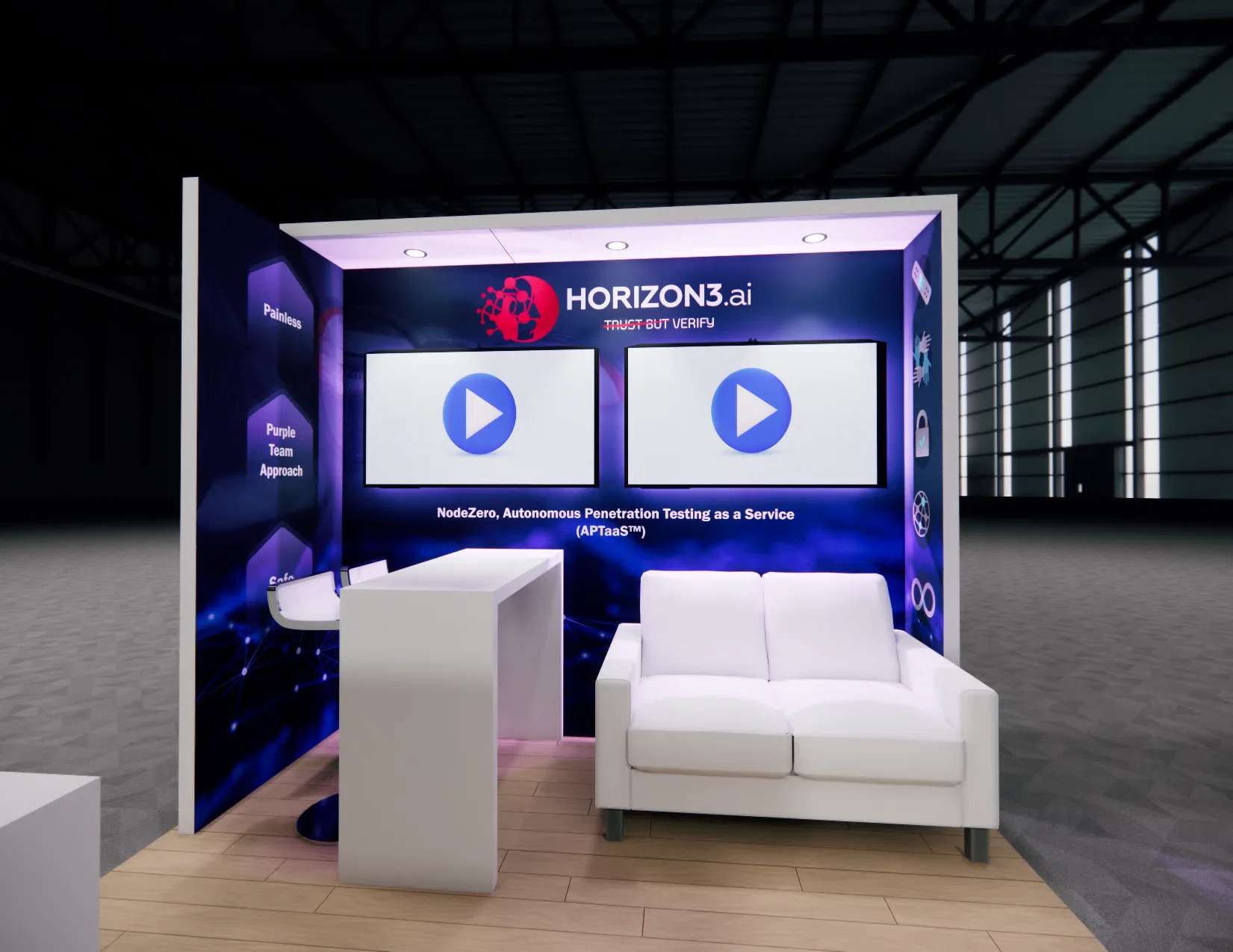
Core Components of Exhibit I&D Planning
- Synchronized move-in and move-out scheduling with venue dock access
- Freight handling and material marshaling protocols
- Structural assembly and modular component integration
- Utility connections per exhibitor specifications
- Safety compliance during setup and teardown
- Inventory verification and damage prevention
- Coordination with designated service contractors
Pre-Installation Scheduling and Documentation
Establishing a robust pre-installation schedule begins with securing booth space confirmations and reviewing venue-specific exhibitor expectations, such as those detailed for the Kay Bailey Hutchison Convention Center Dallas. This involves submitting detailed setup diagrams, material manifests, and timelines well in advance to align with official move-in periods, ensuring that all components arrive via approved freight carriers and are staged appropriately prior to labor deployment. Coordinators must account for the sequential nature of hall fills, where larger exhibits often require early dock access to accommodate crating dimensions and weight distributions that impact loading bay throughput.
Documentation extends to certificates of insurance, method statements for rigging if applicable, and compliance with fire marshal pre-approvals, particularly in multi-hall venues like Dallas Market Hall. These steps mitigate risks of on-site rejections or rework, allowing installation crews to proceed directly from unloading to assembly without interruptions. Venue resources on service partners guide the selection of approved providers for any specialized tasks, fostering a chain of accountability from planning through execution.
Freight Management and Dock Coordination
Freight management hinges on precise dock utilization, as outlined in Kay Bailey Hutchison Convention Center Dallas exhibitor dock guidelines, where designated bays handle incoming shipments based on pre-assigned time slots to prevent bottlenecks during peak move-in rushes. Shipments arrive consolidated via common carriers, offloaded into marshaling yards, and then transferred to booth footprints using pallet jacks, forklifts, or manual methods suited to narrow aisles and overhead constraints. Coordinators track each crate's journey via barcode systems or manifests, ensuring no misplaced elements disrupt the assembly flow.
In venues like the Omni Dallas Hotel or Hyatt Regency Dallas, where space is premium, freight paths incorporate service elevators and Back of House corridors, requiring pre-coordination to avoid conflicts with hospitality operations. Dismantle reverses this flow, with emptied crates repacked under supervision to maintain structural integrity, then expedited to docks for outbound carrier pickup within strict move-out deadlines, preserving eligibility for future bookings.
- Prioritize early freight arrival for complex exhibits
- Verify dock assignments against booth location
- Employ protective wrapping during dismantle packing
On-Site Assembly Procedures
On-site assembly commences once materials are positioned within the booth envelope, following a predefined sequence that prioritizes foundational elements like pedestal bases, tension grid systems, and locking mechanisms to stabilize larger frameworks before cladding installation. At facilities such as Fashion Industry Gallery, where sightlines and thematic integrations matter, crews calibrate alignments using laser levels and plumb lines to ensure visual coherence across interconnected displays. This phase demands familiarity with modular interconnections, graphic panel fittings, and lighting truss mounts, all executed amid surrounding setups to minimize footprint encroachments.
Integration of interactive elements, such as touchscreens or product shelving, follows structural completion, with testing cycles to confirm operability prior to final touches like branding applications. Venue exhibitor guidelines, including those from Kay Bailey Hutchison Convention Center Dallas on utilities, inform the pacing to allow for power and data runs without halting progress, resulting in fully functional exhibits ready for show opening.
Dismantle mirrors this in reverse, starting with disconnection of electrics and removals of perishables, then systematic deconstruction to rebuild crates efficiently. Protective measures like foam inserts and corner guards prevent transit damage, with final sweeps ensuring zero debris left in booth spaces per hall standards.
Utility Integration and Power Setup
Utility integration forms a pivotal segment of installation, drawing directly from venue resources like the Kay Bailey Hutchison Convention Center Dallas utilities page, where exhibitors order services such as electrical drops, compressed air lines, and data ports through official channels to guarantee capacity matching booth demands. Crews route cables along designated pathways, employing strain relief and grounding protocols to comply with national electrical codes while avoiding interference with adjacent setups. Pre-testing at partial power-up stages identifies issues early, allowing adjustments before full activation.
For dismantle, utilities are safely isolated first—circuit breakers tripped, lines capped, and connections documented for accurate service turn-off billing. In hotel-convention hybrids like Omni Dallas Hotel, where power grids support extended activations, this coordination prevents overages and ensures clean handoffs to facility maintenance. Comprehensive logs of meter readings and fixture inventories support post-event audits, streamlining reimbursements and future planning.
- Request utility orders concurrent with booth contracts
- Use venue-approved cable management solutions
- Conduct multi-point power checks pre-show
Safety Protocols and Risk Mitigation
Safety protocols underpin every I&D phase, incorporating venue-mandated personal protective equipment, fall protection for elevated work, and clear communication via hand signals in noisy halls like Dallas Market Hall. Risk assessments precede operations, identifying hazards from overhead rigging or floor loading, with spotters deployed for heavy lifts and barricades around work zones to shield foot traffic. Compliance with OSHA-aligned standards ensures uninterrupted workflows without citations that could derail show participation.
During dismantle, heightened vigilance addresses fatigue factors, with phased crew rotations and lighting reinforcements for late-night operations common at Kay Bailey Hutchison Convention Center Dallas. Post-teardown inspections verify secure crating and hazard-free aisles, contributing to overall venue safety records that influence future access privileges.
Collaboration with Service Partners
Collaboration with designated service partners, as listed in Kay Bailey Hutchison Convention Center Dallas resources, optimizes I&D by leveraging their expertise in venue navigation and regulatory adherence. Coordinators interface early to align on scopes—whether full-service I&D or targeted support like forklift ops—ensuring smooth handoffs and shared accountability for milestones. This partnership model accommodates fluctuating scales, from boutique setups at Fashion Industry Gallery to expansive builds across multiple halls.
Dismantle coordination similarly emphasizes joint walkthroughs to confirm completeness, with partners handling oversize removals or specialty de-rigs. Such alliances reduce exhibitor exposure to venue penalties, providing layered oversight that enhances reliability across Dallas-area events.
- Conduct kickoff meetings with partners Pre Move in
- Define scope boundaries in written agreements
- Schedule joint dismantle inspections
Post-Dismantle Verification and Optimization
Post-dismantle verification involves comprehensive inventory reconciliations against pre-show manifests, inspecting components for transit wear and photographing conditions for claims processing. At venues like Hyatt Regency Dallas, where rapid hall turnarounds prevail, this expedites carrier releases and storage transitions if arranged separately. Optimization insights from each cycle—such as refined crating for dock efficiency—inform subsequent events, building institutional knowledge for recurring exhibitors.
Data from utility reconciliations and partner feedback refines future bids, ensuring cost alignments with actuals while upholding performance benchmarks. This closed-loop approach transforms I&D from routine logistics into a strategic advantage in competitive Dallas trade show circuits.
Frequently Asked Questions on Exhibit I&D
Q: What preparation is needed before exhibit installation at Dallas venues?
Preparation includes submitting booth plans, material lists, and insurance proofs to venues like Kay Bailey Hutchison Convention Center Dallas, securing dock times, and coordinating with service partners per their exhibitor guidelines.
Q: How are docks managed during move-in at Kay Bailey Hutchison Convention Center Dallas?
Docks operate on scheduled slots for exhibitor freight, with pre-arrival manifests guiding unloading into marshaling areas, as detailed in their dedicated exhibitor docks resource.
Q: What utilities are available for exhibits in Dallas convention centers?
Venues like Kay Bailey Hutchison Convention Center Dallas provide electrical, air, and data utilities ordered via official forms, with connections handled during I&D to match booth specs.
Q: How does dismantle timing work to avoid penalties?
Dismantle adheres to strict move-out windows, prioritizing utility disconnects, packing, and dock clearance to meet venue deadlines and carrier pickups.
Q: Why coordinate with service partners for I&D?
Service partners listed by venues ensure compliance with protocols, handling logistics efficiently while sharing responsibility for timely setups and teardowns.
Q: What safety measures apply during exhibit installation?
Measures include PPE, fall protection, hazard assessments, and work zone controls, aligned with venue exhibitor expectations across Dallas facilities.