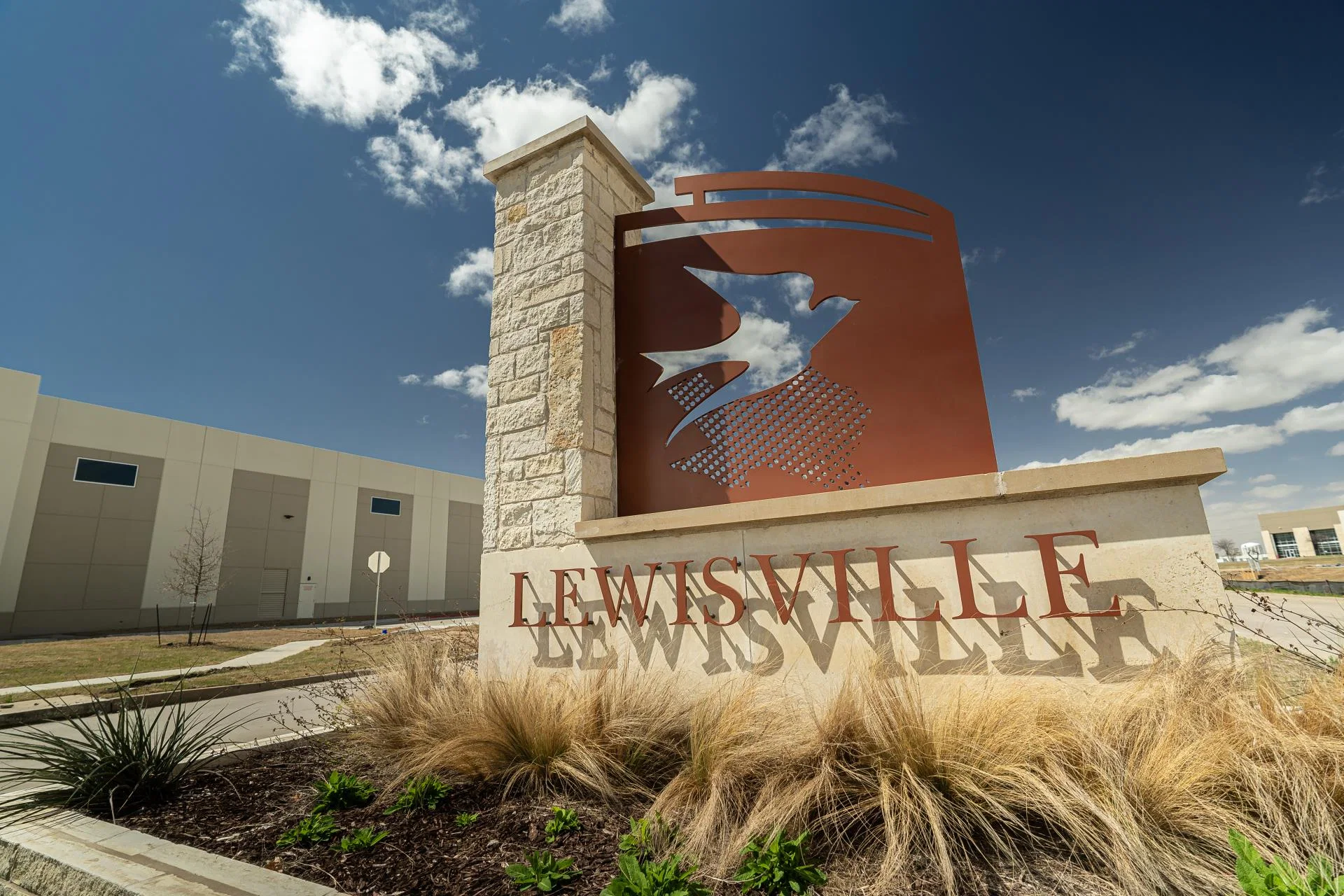
Key Planning Considerations for Lewisville-Based Exhibitors
- Mapping target events to specific DFW venue operational profiles
- Integrating Kay Bailey Hutchison exhibitor guidelines and service partner directories
- Developing logistics plans aligned with northern corridor transport realities
- Aligning booth concepts with utilities, dock, and material handling rules
- Creating differentiated approaches for Irving, Arlington, and Frisco clusters
- Building realistic multi-show timelines with buffer periods for coordination
- Establishing post-event evaluation frameworks tied to DFW-specific metrics
Lewisville's Position Within the Broader DFW Exhibition Ecosystem
Lewisville functions as a strategic suburban node supporting companies that engage with the full range of DFW trade show and conference activity. Its location along major arteries facilitates planning for events concentrated in downtown Dallas, the Irving hospitality corridor, Arlington's convention facilities, and the growing northern markets of Frisco and Grapevine. Rather than treating the metroplex as a single market, effective coordination requires viewing each area as a distinct operational environment with unique attendee profiles, facility constraints, and planning timelines.
The Kay Bailey Hutchison Convention Center serves as a primary reference point for many Lewisville organizations, supported by extensive exhibitor resources covering expected procedures and approved service partners. Nearby, Dallas Market Hall and the Fashion Industry Gallery present scaled-down yet specialized environments that reward precise planning around their particular exhibition formats. Sources such as the Irving Event Planning Guide 2025 and Arlington meetings resources highlight further differentiation, showing how secondary municipalities introduce variables in parking, hospitality integration, and activation potential that Lewisville planners must address.
Successful programs begin with systematic mapping of Lewisville departure points against venue-specific move-in windows, labor regulations, and utility ordering deadlines. This approach prevents last-minute conflicts and supports consistent brand execution across multiple DFW events within a single fiscal year.
- Treat downtown Dallas, Irving, Arlington, Frisco, and Grapevine as separate planning clusters
- Reference official exhibitor documentation for each facility early in the process
- Account for varying audience densities and industry focuses by venue
- Incorporate suburban corridor timing factors into overall project schedules
Coordinating with Kay Bailey Hutchison Convention Center Requirements
The Kay Bailey Hutchison Convention Center represents a cornerstone venue for Lewisville exhibitors, with publicly available resources detailing exhibitor expectations, service partner directories, utility options, and dock procedures. Planning efforts must prioritize thorough review of these materials to ensure compliance with material handling rules, electrical specifications, and installation parameters. Coordination with the center's listed service partners helps align budgets and schedules without introducing unnecessary variables.
Exhibitors benefit from understanding the facility's utility ordering systems and advance deadlines for services ranging from internet connectivity to specialized power requirements. Dock and loading documentation provides critical information for scheduling inbound freight from Lewisville and outbound return shipments, reducing the risk of storage complications or overtime charges. These operational details become foundational when preparing multi-venue campaigns that may also include Dallas Market Hall or the Fashion Industry Gallery.
Early engagement with the convention center's exhibitor planning tools allows Lewisville organizations to develop accurate timelines that accommodate design iterations, material fabrication lead times, and transportation buffers. This preparation supports smoother execution even when events overlap with peak DFW show seasons.
The center's service partner model further emphasizes the importance of selecting experienced providers who understand local regulations and can maintain continuity across different exhibition scales.
- Review What to Expect and exhibitor guideline documents before concept development
- Map utility needs against official ordering portals and deadlines
- Incorporate dock scheduling constraints into freight coordination plans
- Identify appropriate service partners from the published directory
Planning for Irving, Arlington, and Grapevine Venue Clusters
Irving, Arlington, and Grapevine each maintain distinct convention environments that require differentiated planning approaches for Lewisville-based teams. The Irving Event Planning Guide outlines considerations for hospitality integration, meeting space configurations, and supporting logistics that differ from downtown Dallas operations. Arlington's convention resources emphasize sports-adjacent activations and larger-scale experiential elements that influence booth footprint and technology requirements.
Grapevine venues often focus on corporate meetings layered with tourism elements, creating opportunities for exhibits that blend educational and experiential components. These nuances affect everything from material selection to on-site supervision strategies. Cross-referencing these municipal resources with Frisco venue directories reveals further operational distinctions in the northern DFW sector, where newer facilities may offer different utility infrastructures and labor coordination protocols.
Lewisville planners achieve better results by building venue-specific checklists that address parking logistics, attendee flow patterns, and post-show dismantle windows unique to each cluster. This level of detail prevents assumptions based on downtown Dallas experiences from creating inefficiencies when events occur in suburban or secondary markets.
Integrating these varied requirements into a unified campaign strategy allows for consistent branding while respecting the operational individuality of each location.
Frisco, Plano, and Northern Corridor Operational Considerations
The northern DFW markets led by Frisco and Plano have developed significant exhibition capacity that complements downtown and southern venues. Visit Frisco resources detail modern meeting and event facilities designed for both corporate and consumer-facing programs, often featuring advanced technology infrastructure that influences exhibit design decisions. These venues frequently host events with different move-in complexities compared to larger convention centers, requiring adjusted coordination timelines.
Lewisville's proximity to these northern clusters creates natural advantages for planning purposes, particularly when events run concurrently with Dallas-based shows. However, each facility maintains independent service partner expectations and material handling guidelines that must be researched individually. Successful coordination involves mapping these requirements against Lewisville origination points to optimize transport windows and reduce potential bottlenecks.
Plano and surrounding areas further expand options for targeted industry events where booth concepts can be scaled according to audience size and session formats. Planning resources for these markets stress early reservation of utilities and specialized services to avoid conflicts during high-demand periods.
By treating these northern venues as operationally unique rather than interchangeable, Lewisville organizations can develop more precise budgets and execution plans that reflect actual on-site conditions.
- Examine Frisco venue specifications for technology and power requirements
- Adjust timelines for smaller-scale northern market move-in procedures
- Differentiate audience engagement strategies by cluster demographics
- Cross-check service partner compatibility across multiple northern sites
Logistics Coordination and Material Handling Strategies
Effective logistics planning for Lewisville exhibitors centers on aligning material transport schedules with each DFW venue's published dock, freight, and handling procedures. The Kay Bailey Hutchison Convention Center provides specific documentation regarding loading docks and inbound processes that should inform all preceding coordination steps. Similar attention to Arlington, Irving, and Frisco guidelines prevents common oversights that lead to unexpected costs or delays.
Planning resources stress the importance of understanding advance shipping deadlines, acceptable crate types, and return shipment protocols for each facility. When coordinating multiple events, consolidated timelines that account for storage transitions between shows become essential. This systems-level approach helps maintain material condition and reduces repetitive fabrication expenses across a annual DFW program.
Utility planning forms another critical logistics element, with official ordering systems at major venues requiring precise specifications submitted weeks in advance. Lewisville teams that build these requirements into initial project briefs achieve higher compliance rates and fewer on-site adjustments.
Overall coordination improves when logistics considerations are elevated to equal importance with creative elements, ensuring the entire process from concept through post-show analysis operates as an integrated system.
Timeline Development and Budget Optimization for DFW Campaigns
Comprehensive timeline development for Lewisville exhibitors begins 8 to 12 months prior to major DFW events, allowing sufficient buffers for design approval, material coordination, and venue-specific compliance checks. The density of shows across Dallas, Fort Worth, Arlington, Irving, and northern suburbs often creates overlapping preparation periods that must be mapped carefully to avoid resource conflicts.
Budget frameworks should allocate percentages for planning, fabrication, transportation, on-site services, and post-event evaluation rather than treating these as isolated line items. Reference to service partner directories from the Kay Bailey Hutchison Convention Center and similar resources helps establish realistic cost expectations for each venue type. Tracking these figures across multiple events reveals efficiencies that can be applied to future programs.
ROI measurement benefits from predefined metrics tied to specific venue outcomes, whether lead generation at large conventions or relationship development at specialized Frisco or Grapevine events. Post-show debriefs structured around these metrics provide actionable insights for subsequent planning cycles.
This disciplined approach to timelines and budgets transforms trade show participation from isolated tactical exercises into a strategic, measurable component of Lewisville companies' regional marketing efforts.
- Build 8-12 month planning windows for flagship DFW conventions
- Segment budgets by venue cluster to reflect operational differences
- Incorporate post-event analysis as a standard program component
- Use official planning guides to validate timeline assumptions
Refining Strategies Through Venue-Specific Insights
Continuous improvement in Lewisville DFW exhibit programs comes from systematic collection of venue-specific performance data. Differences in audience behavior between the Kay Bailey Hutchison Convention Center, Dallas Market Hall, Arlington facilities, and northern Frisco venues provide rich insights for refining booth configurations, messaging, and activation tactics. Planning resources recommend standardized evaluation templates that capture both quantitative results and qualitative observations unique to each location.
Over multiple seasons, these insights compound to create institutional knowledge about which approaches succeed in particular DFW clusters. For instance, experiential elements that perform well in Grapevine or Irving hospitality-focused events may require adjustment for more transactional environments at larger convention centers. This nuance-driven refinement separates effective long-term programs from repetitive annual efforts.
Integration of digital tracking, lead capture systems, and follow-up protocols should be planned concurrently with physical exhibit elements to ensure smooth data collection regardless of venue. The Irving Event Planning Guide and Arlington resources offer additional context for adapting these systems to local conditions.
Ultimately, the most successful Lewisville exhibitors treat each DFW event as both an activation opportunity and a data collection point that informs future coordination across the entire metroplex.
Common Questions on Lewisville DFW Trade Show Planning
Q: How should Lewisville companies approach planning for multiple DFW venue clusters?
Develop separate operational profiles for downtown Dallas, Irving, Arlington, Frisco-Grapevine, and Plano venues. Reference each location's exhibitor guidelines, service partner directories, and logistics documentation individually while maintaining consistent brand standards across all events.
Q: What resources provide the most reliable information for Kay Bailey Hutchison Convention Center exhibits?
Official exhibitor pages covering what to expect, service partners, utilities, and dock procedures offer the foundational details. Early consultation of these materials ensures alignment with material handling, power, and installation requirements specific to the facility.
Q: When is the ideal timeframe to begin coordination for major DFW trade shows from Lewisville?
Planning cycles of 8 to 12 months allow adequate time for venue research, design development, service partner selection, and logistics alignment. Larger conventions at primary facilities typically require the longest lead times.
Q: How do Irving and Arlington venues differ operationally from downtown Dallas facilities?
Each maintains distinct guidelines regarding hospitality integration, audience flow, utility infrastructure, and activation parameters. The Irving Event Planning Guide and Arlington convention resources highlight these differences and should be reviewed as part of standard preparation.
Q: What role does logistics planning play in successful Lewisville DFW exhibit programs?
Logistics coordination determines adherence to venue-specific dock schedules, shipping deadlines, and material handling rules. When integrated early with design and budgeting processes, it prevents costly delays and supports consistent execution across multiple events.
Q: How can Lewisville exhibitors measure ROI across different DFW venue types?
Establish metrics tailored to each cluster's audience and event format, then apply consistent post-show evaluation templates. Tracking both immediate outcomes and longer-term pipeline development provides a complete performance picture.