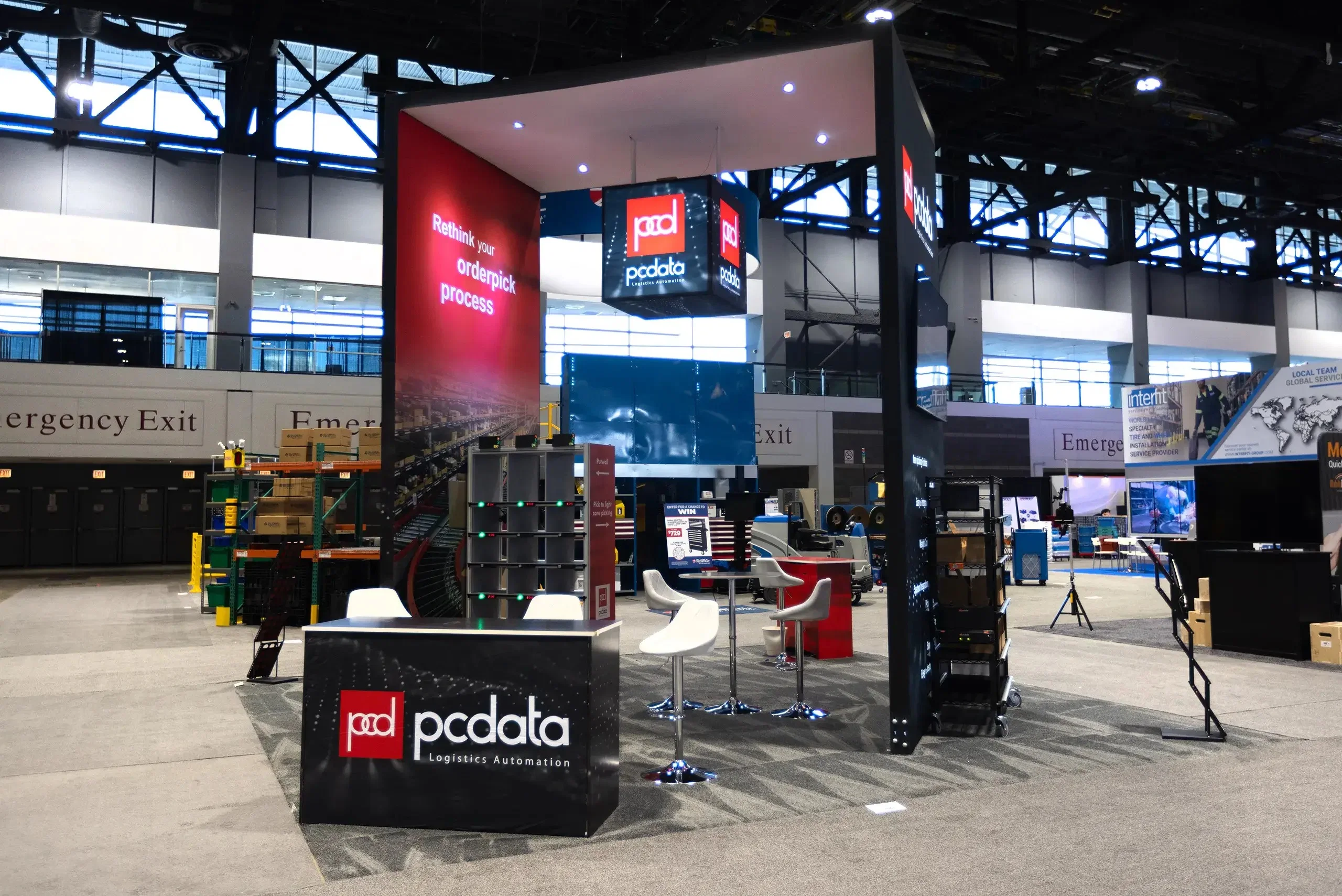
Essential Components of On-Site Show Supervision
- Coordination of dock access and load-in sequencing at convention centers
- Verification of utility orders and electrical setups per venue specifications
- Liaison role between exhibitor-appointed contractors and general service providers
- Real-time monitoring of installation progress against contracted timelines
- Management of show-floor adjustments and maintenance during event hours
- Oversight of dismantle procedures to comply with move-out deadlines
- Documentation of compliance with exhibitor guidelines and issue resolutions
Pre-Event Coordination and Venue Protocol Review
Before crews arrive at the Kay Bailey Hutchison Convention Center Dallas, on-site supervisors conduct thorough reviews of the venue's exhibitor guidelines, which outline requirements for advance utility orders including electrical, plumbing, and telecommunications services that must be scheduled through approved channels to avoid on-site surcharges or delays. This preparation involves cross-referencing your booth design specifications against dock loading capacities and reservation procedures, ensuring that shipments align with the center's designated receiving hours and forklift access protocols typically operating from early morning through late afternoon on installation days.
Supervisors also familiarize themselves with the list of designated service partners at facilities like the Dallas Market Hall, identifying potential overlaps or conflicts between your exhibitor-appointed contractors and the venue's general contractors responsible for shared services such as carpet installation or basic rigging. This proactive step includes briefing your team on spatial allocations in multi-tenant halls, where booth footprints must adhere to fire safety setbacks and aisle clearance rules, preventing last-minute reconfiguration demands that could extend setup beyond targeted completion times.
For events at convention hotels such as the Omni Dallas Hotel or Hyatt Regency Dallas, pre-event planning incorporates hospitality-specific considerations like service elevator schedules and ballroom column placements that influence exhibit layouts, allowing supervisors to relay precise measurements and access timelines to fabricators well in advance of load-in.
- Advance dock reservation confirmation
- Utility manifest verification
- Service partner compatibility assessment
Installation Oversight at Dallas Venues
During load-in at the Kay Bailey Hutchison Convention Center Dallas, supervisors position themselves at the docks to sequence incoming shipments, prioritizing high-value modular components and ensuring that forklift operators adhere to the venue's weight limits and path clearances through expansive cargo bays leading to exhibit halls. This hands-on monitoring captures deviations early, such as mismatched pallet dimensions that might bottleneck traffic, and coordinates with dock marshals to reallocate bays as needed for smoother flow across peak installation periods spanning multiple days for large-scale trade shows.
As assembly commences inside halls like the Dallas Market Hall, oversight focuses on the integration of custom exhibit elements with venue-provided flooring and lighting grids, verifying that contractors secure hanging signs within approved height restrictions and test all audiovisual connections against pre-ordered power drops to preempt blackouts or signal failures. Supervisors document progress hourly, flagging any labor-intensive tasks like tension fabric installations that risk overtime if not paced correctly against the venue's hard stop for installation activities.
At specialized spaces such as the Fashion Industry Gallery, where fashion and apparel events demand pristine setups amid boutique-style layouts, supervision ensures that hanging systems for garment displays comply with load-bearing charts and that temporary lighting avoids glare on merchandise, maintaining visual appeal while respecting the venue's compact dock access and narrower corridors.
- Dock sequencing and traffic management
- Assembly timeline adherence checks
- Integration testing with venue infrastructure
Show-Floor Management During Event Hours
Once the exhibit opens at venues like the Omni Dallas Hotel, on-site supervisors patrol booth areas to address minor wear from high foot traffic, coordinating rapid fixes for elements like graphic panel alignments or interactive display calibrations without interrupting attendee flow. This phase involves logging visitor interactions that reveal functional tweaks, such as adjusting LED brightness in response to ambient hall lighting variations, ensuring consistent branding across the event's duration.
Supervision at the Hyatt Regency Dallas extends to managing peak-hour crowds in connected ballrooms, where supervisors liaise with event staff to secure additional housekeeping passes for spill cleanup or to reroute power cables that pose trip hazards amid dense configurations. Real-time reporting captures these interventions, providing data for future optimizations while upholding hygiene standards critical in hospitality-integrated shows.
For extended conventions at the Kay Bailey Hutchison Convention Center Dallas, daily walkthroughs verify that rotating product demos remain synchronized with sound levels permissible under noise ordinances, and that staff rotations prevent fatigue-related lapses in engagement protocols.
- Hourly booth condition inspections
- Attendee flow and safety adjustments
- Daily maintenance logging
Dismantle and Load-Out Execution
Teardown at the Dallas Market Hall begins with a reverse-sequence dismantle plan, where supervisors direct the deconstruction of overhead elements first to clear vertical space, followed by systematic breakdown of framing and packing of demo units into dock-ready configurations that match incoming shipment dimensions. This orchestration respects the venue's accelerated move-out windows, often compressing multi-day setups into single-night operations to free halls for subsequent events.
At the Fashion Industry Gallery, load-out supervision prioritizes delicate item handling, ensuring garment racks are shrouded and electronics padded before navigating tight service corridors to street-level docks, with supervisors timestamping each pallet's departure to confirm against bill of lading manifests and avoid holding fees.
For larger centers like the Kay Bailey Hutchison Convention Center Dallas, post-dismantle oversight includes final sweeps for overlooked hardware in line with exhibitor responsibility clauses, coordinating with venue cleaners to release holds on deposits only after verified hall returns to pristine condition.
- Reverse-sequence deconstruction guidance
- Packing verification against manifests
- Final compliance sweeps
Navigating Venue-Specific Rules in Dallas
The Kay Bailey Hutchison Convention Center Dallas mandates that all exhibitors coordinate through listed service partners for certain utilities and that docks operate under strict reservation systems, with supervisors ensuring your contractors submit manifests 48 hours prior and adhere to designated unloading zones segmented by booth location to prevent cross-aisle backups during peak freight hours.
Dallas Market Hall's exhibition setup requires advance notice for any modifications to standard booth packages, where on-site teams verify carpet edging aligns with hall patterns and that electrical whips connect smoothly to floor boxes without exposing cords, as detailed in venue directories.
At convention hotels like the Omni Dallas Hotel, supervision accounts for guest-adjacent operations, timing noisy dismantle phases outside peak occupancy and securing elevators for freight, while Hyatt Regency Dallas protocols emphasize minimal disruption to ongoing meetings in adjacent spaces.
- Service partner alignment
- Dock manifest submissions
- Hotel elevator scheduling
Risk Management and Contingency Planning
Supervisors at Dallas venues maintain contingency lists for common issues like power surges at the Kay Bailey Hutchison Convention Center Dallas, where backup generators must tie into pre-approved circuits, and swiftly activate redundancies such as spare fuses or portable units sourced from on-call providers without violating exclusive contractor clauses.
In scenarios at Dallas Market Hall involving weather-impacted load-ins, oversight shifts to tarp protocols for sensitive materials and rescheduling bay access through venue operations desks, preserving dry storage paths to interior staging areas.
Post-event audits compile incident reports from all phases, analyzing root causes like utility misorders at the Fashion Industry Gallery to refine future briefs, ensuring continuous improvement in handling venue-unique variables.
- Contingency activation logs
- Weather impact mitigations
- Incident root-cause analysis
Post-Show Documentation and Reporting
Following load-out at the Omni Dallas Hotel, supervisors compile comprehensive logs detailing dock usages, utility consumption variances, and contractor performance metrics, cross-checked against venue invoices to flag discrepancies in service charges or overtime attributions.
For multi-venue events spanning the Hyatt Regency Dallas and nearby halls, reports aggregate timelines across sites, highlighting efficiencies gained from synchronized supervision that streamlined transitions between properties.
These deliverables provide actionable insights for exhibitors, such as optimized packing lists derived from actual dismantle paces at the Kay Bailey Hutchison Convention Center Dallas, positioning future shows for even tighter executions.
- Invoice reconciliation support
- Cross-venue timeline summaries
- Optimization recommendations
Integration with Broader Trade Show Services
On-site supervision dovetails with project management by feeding real-time data into overarching timelines, ensuring exhibit design elements fabricated off-site arrive prepped for swift assembly at Dallas Market Hall without custom adaptations.
Coordination with exhibitor-appointed contractors amplifies effectiveness, as supervisors relay venue feedback loops during installation at the Fashion Industry Gallery, refining on the Fly techniques for tension systems or modular walls.
This holistic approach extends to general contractor interfaces at the Kay Bailey Hutchison Convention Center Dallas, where supervision bridges gaps in shared services like rigging inspections, delivering unified compliance across fragmented teams.
- Design-assembly alignment
- Contractor feedback integration
- GC service bridging
Common Questions on On-Site Show Supervision
Q: What phases of a trade show does on-site supervision cover?
Supervision encompasses pre-event planning, installation oversight at docks and halls, show-floor management, dismantle coordination, and post-event reporting, tailored to venues like the Kay Bailey Hutchison Convention Center Dallas with specific dock and utility rules.
Q: How does supervision handle venue service partner requirements?
Supervisors review lists of approved partners at facilities such as the Dallas Market Hall, ensuring your exhibitor-appointed contractors complement rather than conflict with general services for utilities and rigging.
Q: What role does supervision play during load-in at convention centers?
At places like the Omni Dallas Hotel, it involves sequencing shipments through service elevators, verifying manifests, and pacing assembly to meet deadlines amid shared access constraints.
Q: Can supervision address real-time issues during show hours?
Yes, including adjustments for wear, crowd management, and maintenance at the Hyatt Regency Dallas, with logs for all interventions to support future planning.
Q: How is dismantle overseen to avoid penalties?
By directing reverse-sequence breakdowns, final sweeps, and load-out verifications at the Fashion Industry Gallery, ensuring halls are cleared per exhibitor guidelines.
Q: What documentation comes from on-site supervision?
Detailed reports on timelines, compliance, incidents, and optimizations, reconciled against venue invoices for accurate post-event settlements.