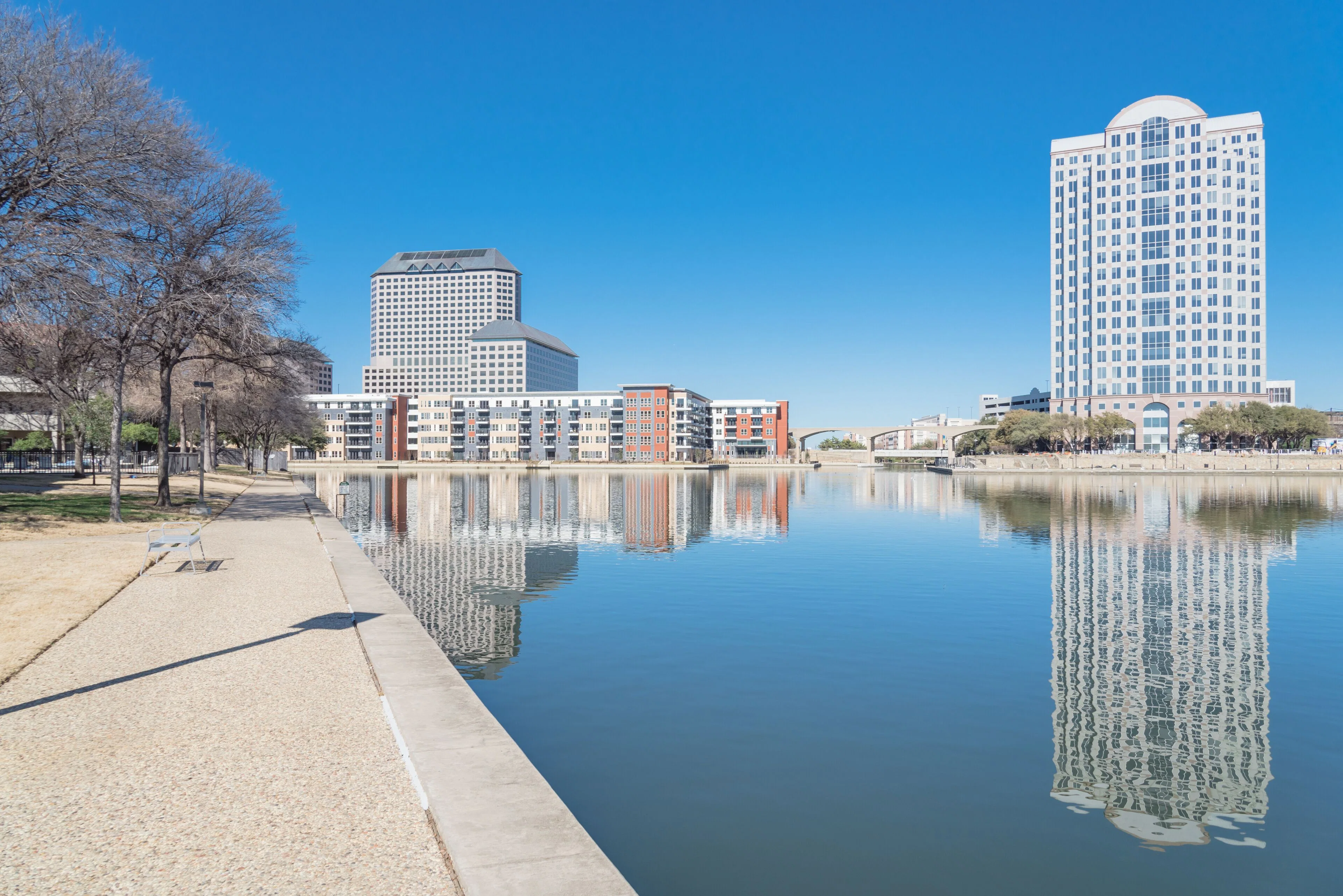
Key Planning Considerations for Irving Exhibits
- Distinct operational context versus Dallas, Arlington, and Frisco clusters
- Alignment with Irving Event Planning Guide recommendations
- Integration with DFW-wide airport approach logistics
- Coordination of booth assets across differing municipal requirements
- Attention to corporate hospitality node characteristics
- Timeline synchronization with regional show calendars
- Measurement frameworks tailored to Irving attendee profiles
Irving's Distinct Position Among DFW Venue Clusters
The Dallas-Fort Worth region contains multiple specialized venue clusters, each presenting unique operational demands. Irving functions as a dedicated node characterized by its blend of corporate-focused facilities, hospitality infrastructure, and strategic placement along primary transportation routes. This differentiation requires exhibitors to adjust their coordination strategies rather than relying on approaches developed for convention-center dominant environments in downtown Dallas or sports-entertainment venues in Arlington.
Planning resources that recognize these distinctions help ensure exhibit elements are sized, timed, and configured to match Irving's typical event scales and attendee expectations. The city's role in supporting both independent activations and spillover from larger DFW shows creates opportunities for coordinated campaigns that maintain consistency while adapting to local context.
Successful execution in Irving depends on early recognition of how its event infrastructure interacts with neighboring clusters including Grapevine, Plano, and Fort Worth. This interconnected reality favors comprehensive planning that accounts for cross-cluster logistics, shared calendar considerations, and cumulative audience journeys across the metro area.
- Corporate hospitality emphasis distinct from convention-center focus
- Transportation corridor advantages for regional attendance
- Operational separation from Frisco's technology-event profile
- Compatibility with multi-municipality exhibit programs
Referencing the Irving Event Planning Guide for Coordination
The official Irving Event Planning Guide serves as a foundational document for organizers and exhibitors active in this DFW cluster. It details procedural expectations, infrastructure capabilities, and recommended practices that inform every stage of exhibit preparation from initial concept through final dismantle. Coordination efforts achieve higher precision when aligned with the guide's outlined parameters.
Exhibitors benefit from treating the guide as a primary reference when determining booth footprints, material specifications, and scheduling windows. Its guidance helps avoid assumptions based on experiences in other Texas markets or different DFW cities, ensuring decisions remain grounded in Irving-specific realities.
When combined with broader DFW knowledge, the Irving guide enables planning teams to develop hybrid strategies that maintain compliance locally while optimizing for potential extensions into complementary markets such as Addison, Carrollton, or Bedford. This layered approach supports both immediate event success and longer-term regional presence.
Logistics Coordination for Airport-Proximate Irving Events
Irving's location within DFW airport approaches creates specific freight and attendee movement patterns that influence exhibit planning. Coordination resources focus on synchronizing inbound material timelines with airport and ground transportation realities to prevent delays that could impact installation windows or show readiness.
Effective strategies account for the distinct flow of goods and personnel through this cluster compared to more centralized Dallas venues or suburban Frisco locations. This includes attention to staging requirements, temporary storage considerations within permitted parameters, and contingency planning for variable arrival volumes common to airport-adjacent events.
Planning that integrates these logistics factors with booth design decisions produces more resilient exhibits capable of adapting to real-time conditions. The result is reduced friction during move-in periods and improved ability to maintain focus on audience engagement rather than operational surprises.
- Synchronization of freight with airport corridor schedules
- Attention to ground transportation integration points
- Contingency frameworks for variable attendee volumes
- Alignment with permitted material handling sequences
Custom Exhibit Design Strategies for Irving Audiences
Corporate concentration within the Irving cluster shapes attendee expectations toward professional, technology-enabled, and experience-focused interactions. Design coordination therefore prioritizes modular elements that support both formal presentations and informal networking while remaining compatible with the scale of typical Irving venues.
Graphics, lighting, and interactive components should be developed with reference to the demographic profiles documented in local planning resources. This ensures visual communication resonates with decision-makers who frequent Irving events rather than assuming preferences observed in different DFW districts such as downtown Dallas or entertainment-oriented Arlington.
The most effective designs maintain brand consistency across potential multi-cluster campaigns while incorporating subtle adaptations that acknowledge Irving's distinct business environment. Planning teams skilled in these nuances help exhibitors achieve stronger connection rates and measurable engagement during limited show hours.
- Professional aesthetic aligned with corporate hospitality
- Modular construction for variable space configurations
- Technology integration suited to Irving attendee behavior
- Brand coherence across DFW cluster extensions
Timeline Development for Irving Within Regional Calendars
Irving events exist within the larger rhythm of DFW trade show activity spanning Dallas, Fort Worth, Plano, and surrounding municipalities. Successful coordination requires building timelines that respect local deadlines while anticipating ripple effects from shows in adjacent clusters. This prevents resource conflicts and supports efficient asset deployment across multiple activations.
Planning documents such as the Irving Event Planning Guide provide critical milestones for permitting, delivery, and staffing coordination that must be integrated with broader regional schedules. Attention to these overlapping calendars helps exhibitors avoid compressed preparation periods that compromise design quality or installation precision.
Forward-looking timeline development also incorporates post-event evaluation windows that inform subsequent Irving or DFW-wide participation. This continuous improvement cycle strengthens future performance by refining approaches based on observed outcomes specific to the Irving operational context.
Cross-Cluster Integration for Comprehensive DFW Campaigns
Many exhibitors view Irving as one element within larger Dallas-Fort Worth strategies rather than a standalone market. Coordination therefore emphasizes how Irving activations connect with experiences in Grapevine, Lewisville, Richardson, or Mesquite to create unified regional narratives. This integrated perspective maximizes budget efficiency and message reinforcement.
Booth components, digital assets, and trained personnel can be orchestrated across clusters when planning begins with clear differentiation of each location's requirements. Irving's particular strengths in corporate hospitality can complement other venues' capabilities, producing a cohesive DFW presence greater than the sum of individual parts.
Resources focused on this level of orchestration help exhibitors navigate the complexity of multi-municipality events while maintaining compliance with each cluster's distinct operational guidelines. The approach supports both immediate tactical execution and strategic market expansion across the entire metro region.
- Unified messaging adapted to local cluster contexts
- Asset sharing protocols between Irving and Dallas
- Sequential scheduling to optimize resource use
- Cumulative data collection across DFW municipalities
Evaluation Frameworks for Irving Exhibit Performance
Measuring success in Irving requires frameworks that account for its specific attendee profiles, venue characteristics, and position within DFW. Coordination resources help establish relevant metrics beyond generic lead counts, focusing instead on engagement quality, brand perception shifts, and pipeline development aligned with corporate decision cycles common to this cluster.
Post-event analysis should compare Irving outcomes against both internal benchmarks and results from parallel activations in Fort Worth, Frisco, or Arlington. These comparative insights reveal which design elements, messaging approaches, and logistical decisions performed best within Irving's distinct environment.
The resulting data informs future planning cycles, enabling progressive refinement of exhibit strategies across the DFW landscape. Organizations that systematically apply these learnings typically achieve higher return on investment as their coordination sophistication grows with each successive Irving or regional event.
Frequently Asked Questions About Irving TX Exhibit Coordination
Q: How does Irving differ operationally from other DFW trade show locations?
Irving maintains a distinct cluster identity defined by corporate hospitality concentration and airport corridor access that requires separate planning considerations from convention-focused Dallas, sports-oriented Arlington, or technology-centric Frisco. Coordination approaches must respect these differences to achieve optimal results.
Q: What role does the Irving Event Planning Guide play in exhibit preparation?
The guide provides essential parameters for timelines, infrastructure capabilities, and procedural requirements specific to Irving events. It serves as a primary reference for aligning booth design, logistics, and activation details with local operational expectations within the larger DFW market.
Q: Can one exhibit design work across multiple DFW clusters including Irving?
Modular designs can span clusters when coordinated with attention to each location's distinct context. Irving's corporate emphasis may require subtle adjustments to elements developed for downtown Dallas or Grapevine venues while maintaining overall brand consistency.
Q: Why is early timeline coordination important for Irving events?
Irving's position within regional calendars creates interdependencies with shows in neighboring municipalities. Early planning prevents scheduling conflicts, ensures proper freight sequencing through airport approaches, and allows sufficient preparation time for cluster-specific adaptations.
Q: What should exhibitors evaluate after participating in Irving trade shows?
Assessment should focus on engagement quality with corporate audiences, logistical efficiency within Irving's operational parameters, and how the activation contributed to broader DFW objectives. Comparative analysis against other clusters reveals opportunities for strategic refinement.
Q: How does airport proximity influence Irving exhibit coordination?
Proximity creates both advantages for attendee access and specific requirements for freight timing, material staging, and contingency planning. Effective coordination integrates these factors with booth design and installation schedules to maintain smooth execution.