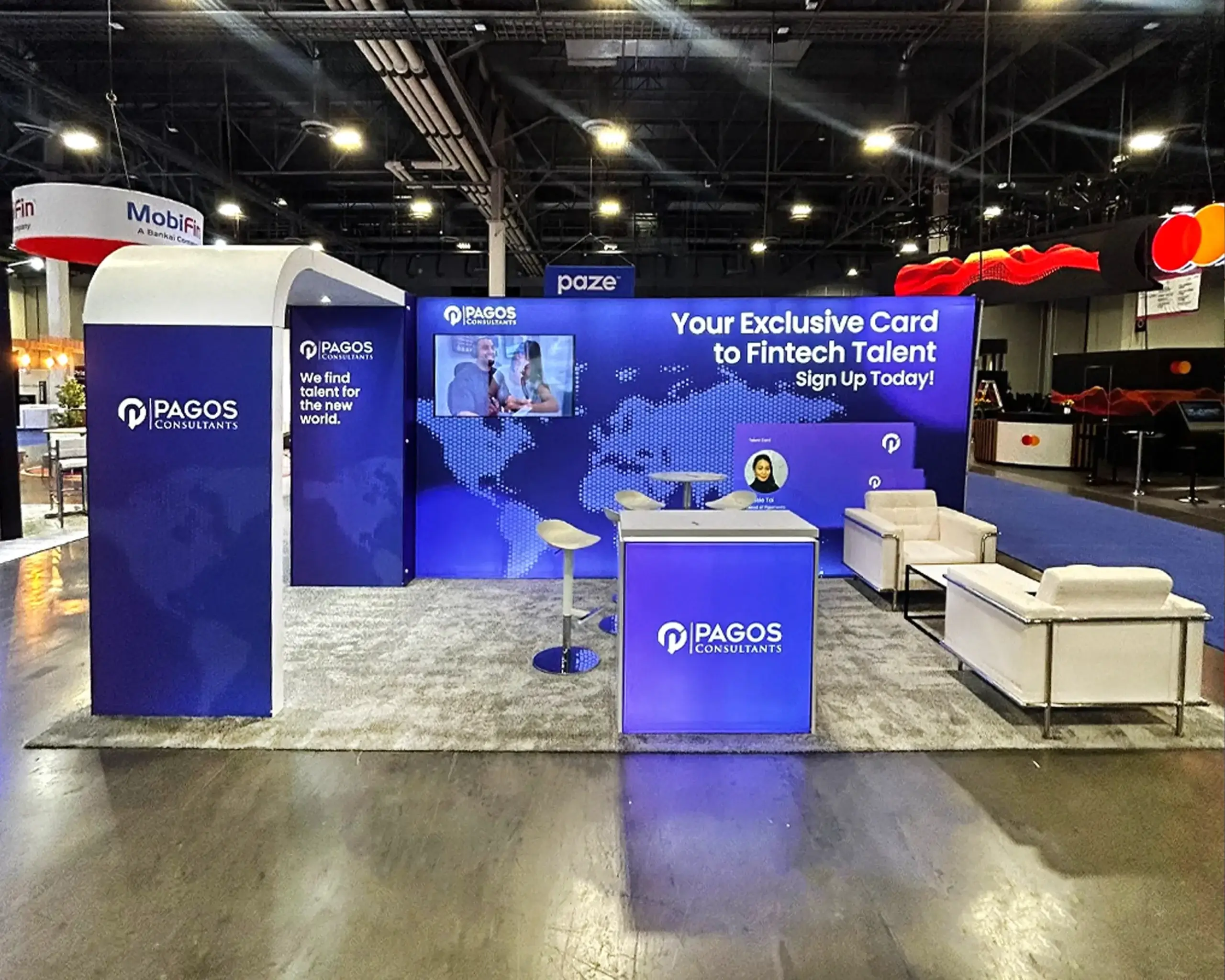
Essential Phases in Trade Show Project Management
- Establishing comprehensive timelines tied to venue move-in protocols
- Coordinating service partners and exhibitor-appointed contractors per facility guidelines
- Overseeing budget tracking against actual expenditures in dynamic show environments
- Managing freight and dock scheduling for efficient material handling
- Ensuring compliance with utilities ordering and booth safety standards
- Facilitating on-site coordination handoffs without execution overlaps
- Conducting detailed post-show debriefs for continuous improvement
Pre-Show Timeline and Milestone Mapping
Developing a project timeline begins with reviewing venue-specific guidelines, such as those outlined for exhibitors at the Kay Bailey Hutchison Convention Center Dallas, where dock reservations and service partner notifications set the rhythm for all downstream activities. Managers dissect the event calendar into phases—advance shipping windows, installation blocks, and dismantle slots—assigning durations based on booth complexity and historical patterns from similar Dallas venues. This foundational step incorporates buffer periods for approvals on custom elements, ensuring that fabrication handoffs align with targeted move-in dates without compressing critical paths.
Once mapped, the timeline integrates inputs from multiple stakeholders, including general contractors handling rigging and exhibitor-appointed teams managing AV integrations. Regular status gates, conducted bi-weekly leading into the show, verify adherence, with adjustments triggered by shifts in show dates or venue updates. For instance, at Dallas Market Hall, where exhibit halls support diverse trade formats, timelines emphasize modular setup sequences to accommodate varying hall configurations and shared labor pools.
- Cross-reference venue exhibitor pages for dock and utilities lead times
- Incorporate service partner lists from facilities like KBHCCD
- Build in contingency slots for permit reviews and inspections
Vendor Synchronization and Service Partner Alignment
Synchronization hinges on establishing clear communication protocols with all parties, drawing from the service partner directories available for the Kay Bailey Hutchison Convention Center Dallas to identify official coordinators for utilities, freight, and rigging. Project managers facilitate joint kickoff sessions where scopes are delineated, preventing overlaps between general contractor responsibilities and exhibitor-appointed contractor tasks. This clarity proves vital in hotel convention settings like the Omni Dallas Hotel, where ballroom utilities routing demands early reconciliation of power draws and data lines.
Progress tracking employs shared dashboards updated in real-time, capturing deliverables like booth graphics installations or carpet laying against the master schedule. When variances arise, such as delayed shipments to Irving Convention Center docks, managers escalate with contingency vendor options while documenting impacts for budget reconciliation. The result is a cohesive vendor ecosystem that delivers on time, minimizing show-day surprises across DFW's venue landscape.
In multi-venue strategies spanning Grapevine to downtown Dallas, alignment extends to cross-event resource sharing, optimizing labor rotations without breaching facility-exclusive rules.
- Utilize official venue service partner lists for vetted contacts
- Schedule integrated vendor meetings Pre Move in
- Monitor subcontractor certifications against venue requirements
Budget Oversight and Expenditure Control
Budget management initiates with a granular breakdown mirroring the project timeline, allocating funds to phases like design approvals, freight to Dallas venue docks, and post-show storage. Managers forecast variances using historical data from events at the Hyatt Regency Dallas, where ancillary costs for extended utilities often exceed initial quotes. Monthly reviews compare committed versus actual spends, negotiating adjustments with vendors on overages tied to scope changes.
Contingency reserves, typically 10-15% of total, buffer unforeseen expenses such as additional dock fees at the Kay Bailey Hutchison Convention Center Dallas or rush AV configurations at Fashion Industry Gallery. Transparent reporting to stakeholders includes line-item justifications, fostering trust and enabling proactive reallocations. This disciplined approach ensures fiscal discipline amid the high-stakes environment of trade shows.
Final audits post-dismantle reconcile all invoices against contracts, capturing savings from early vendor terminations or bulk utility buy-downs for future reference.
Logistics and Freight Coordination
Freight logistics center on venue dock protocols, exemplified by the Kay Bailey Hutchison Convention Center Dallas exhibitor docks that mandate advance scheduling to avoid bottlenecks during peak move-in periods. Project managers coordinate with carriers for labeled shipments, specifying advance versus Just in Time deliveries to match installation windows. Protective crating standards prevent damage in transit to halls like Dallas Market Hall, where high-traffic loading zones heighten handling risks.
On-site material flow planning sequences unpacks from high-priority items first, integrating with service partner timelines for floor loading and booth assembly. For hotel venues such as the Omni Dallas Hotel, elevators and freight corridors require pre-planned routes to sidestep guest conflicts. Post-show reverse logistics mirrors this precision, securing outbound manifests to prevent abandoned freight penalties.
Digital tracking tools provide End to End visibility, alerting to delays that could cascade into show-open impacts across the Dallas-Fort Worth circuit.
- Adhere to venue-specific dock reservation procedures
- Specify booth-line labeling for rapid identification
- Coordinate with official freight handlers where required
Venue Compliance and Risk Management
Compliance begins with dissecting exhibitor guidelines from sources like the Kay Bailey Hutchison Convention Center Dallas What to Expect pages, translating rules on booth heights, fire safety, and utilities into actionable checklists. Managers verify that all elements—from hanging signs to electrical loads—meet these standards before submission, averting rejection during inspections at venues like Dallas Market Hall.
Risk assessments scan for potential disruptions, such as weather impacts on outdoor-adjacent loads at the Fairmont Dallas or union jurisdictional overlaps in multi-contractor setups. Mitigation plans include backup power provisions and sequenced safety briefings. During execution, daily audits confirm adherence, with corrective actions logged for the debrief.
This proactive stance safeguards against fines or shutdowns, preserving exhibit integrity in regulated environments like the Fashion Industry Gallery.
- Review utilities ordering protocols per venue
- Conduct pre-install compliance walkthroughs
- Maintain insurance alignment with facility minimums
Post-Show Wrap-Up and Performance Analysis
Wrap-up commences immediately post-dismantle, with managers overseeing pack-out to venue docks and confirming clean booth turnover at the Kay Bailey Hutchison Convention Center Dallas. Asset inventories track returned materials, flagging losses or damages for carrier claims while arranging storage or refurbishments.
Debrief sessions convene within 72 hours, compiling metrics on timeline adherence, budget variances, and vendor performances from the event at Omni Dallas Hotel ballrooms. Lead tracking ties back to project efficiencies, informing ROI calculations. Reports distill lessons, such as optimized dock usage for future Dallas Market Hall participations.
This closure loop refines processes, positioning subsequent projects for enhanced outcomes across DFW venues.
Frequently Asked Questions About Trade Show Project Management
Q: What role does project management play in coordinating with Kay Bailey Hutchison Convention Center Dallas service partners?
Project management ensures alignment by referencing the venue's official service partner lists to schedule utilities, docks, and rigging, facilitating smooth handoffs between exhibitor teams and facility-approved providers without execution overlaps.
Q: How is freight handled for events at Dallas Market Hall?
Freight coordination involves advance dock scheduling and protective shipping protocols tailored to the hall's loading procedures, sequencing deliveries to match installation timelines and prevent congestion.
Q: What budget controls are applied in trade show projects?
Budgets are broken into phase-specific allocations with monthly variance reviews, contingency reserves for venue-specific fees, and final audits to reconcile all expenditures accurately.
Q: How does project management address compliance at hotel venues like Omni Dallas Hotel?
Compliance checklists derive from exhibitor guidelines, verifying utilities routing, safety setups, and load-ins against ballroom constraints to avoid inspection issues.
Q: What happens in the post-show phase for Grapevine events?
Post-show includes supervised pack-out, asset tracking, rapid debriefs on performance metrics, and report generation to capture efficiencies for venues like Gaylord Texan.
Q: Can project management scale for multi-venue DFW strategies?
Yes, it adapts timelines and vendor syncs across clusters like Dallas, Irving, and Grapevine, optimizing shared resources while respecting site-specific rules.