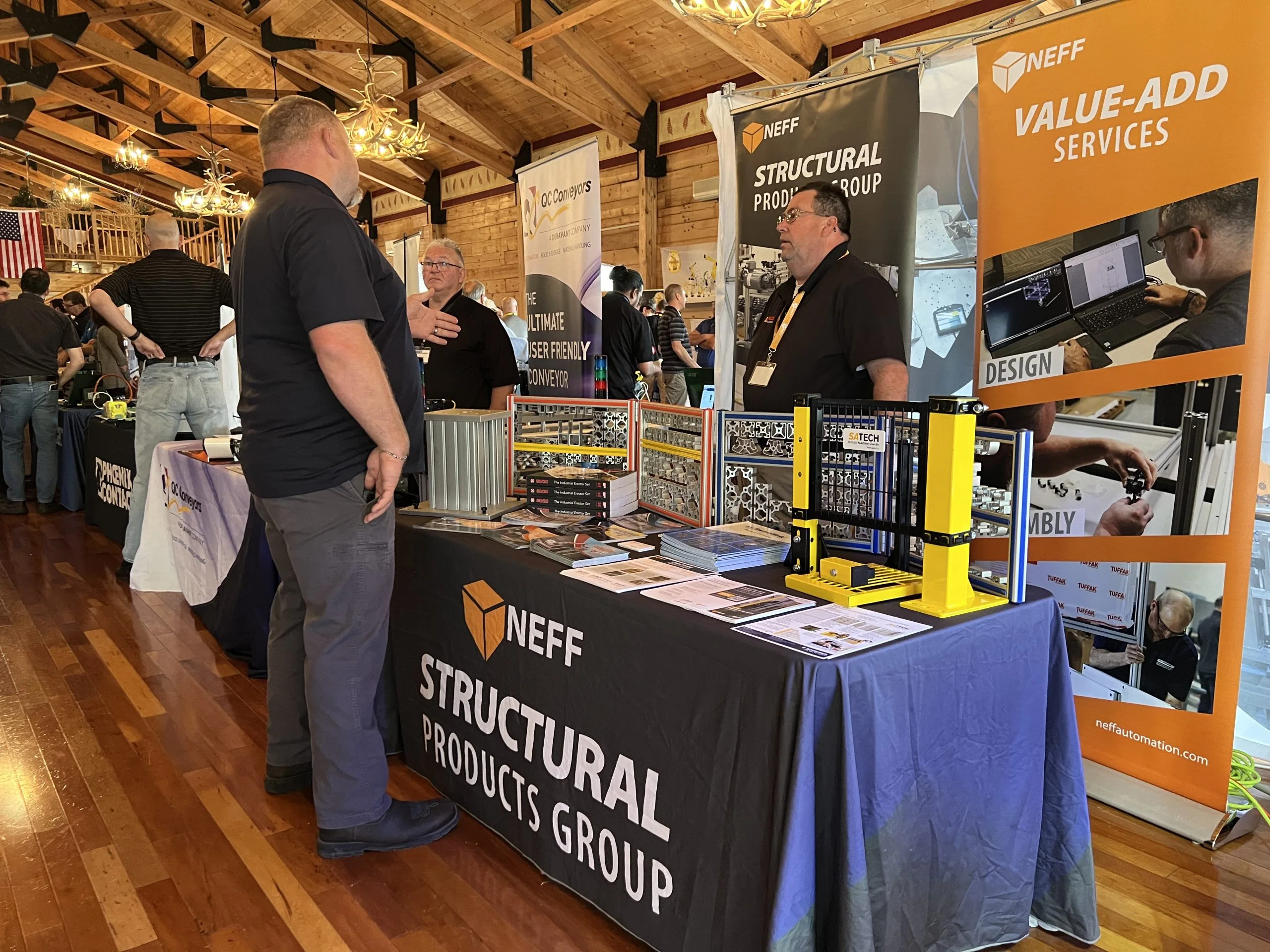
Core Planning Priorities for Manufacturing Exhibits
- Freight dock scheduling at major venues like Kay Bailey Hutchison Convention Center Dallas
- High-capacity electrical and rigging provisions for equipment demos
- Modular booth engineering for machinery integration
- Compliance with official service partner requirements
- Targeted engagement zones for B2B lead generation
- Post-event dismantle coordination to minimize carrier detention fees
- Scalable designs fitting Dallas, Irving, and Grapevine venue footprints
Navigating Freight Logistics at DFW Manufacturing Venues
Manufacturing expo freight introduces complexities due to palletized components, crated prototypes, and oversized demo units, particularly at the Kay Bailey Hutchison Convention Center Dallas, where exhibitor docks facilitate 24/7 access during designated move-in windows but require pre-scheduled appointments to avoid delays from concurrent events. Planners coordinate with carriers to match these dock protocols, ensuring that bill of lading details align with venue security checks and that protective wrapping withstands multi-day handling across urban trucking routes into downtown Dallas.
The Irving Convention Center at Las Colinas offers similar dock infrastructure suited for manufacturing loads, with advance freight notifications preventing overload during high-volume trade shows; here, exhibit teams sequence deliveries to prioritize core booth elements before peripheral displays, reducing on-site congestion and enabling faster installation of interactive production line models. Grapevine’s Gaylord Texan Resort & Convention Center complements this with hotel-adjacent loading zones, ideal for manufacturers extending booth hours into evening networking receptions.
- Dock reservation timelines start 30-60 days pre-event at Kay Bailey Hutchison Convention Center Dallas
- Carrier compliance with union labor rules via official service partners
- Pallet jack and forklift provisions listed in venue exhibitor guides
Utility Provisions Tailored to Industrial Demonstrations
At the Kay Bailey Hutchison Convention Center Dallas, exhibitors access a detailed utilities order form covering compressed air, water, and drain services alongside electrical capacities up to 400 amps three-phase, essential for powering hydraulic lifts or robotic arms in manufacturing booths without tripping circuits during live runs. Planners review booth prints against these specs, positioning high-draw equipment near floor boxes to minimize extension cord hazards and ensure uninterrupted demos for passing trade visitors.
Dallas Market Hall provides comparable grid access for mid-sized manufacturing displays, where planners factor in ambient lighting interactions with booth illumination to showcase material finishes accurately; advance utility walks confirm outlet placements, preventing last-minute rewiring that could delay show open. Hotels like the Omni Dallas integrate exhibit utilities with ballroom power, supporting hybrid formats where manufacturers stream processes to off-floor screens.
Fashion Industry Gallery setups demand creative utility routing for compact manufacturing kiosks, emphasizing low-voltage LED accents that highlight precision tooling without overwhelming smaller spaces, all coordinated per venue electrical blueprints.
Engaging Official Service Partners for Compliance
The Kay Bailey Hutchison Convention Center Dallas maintains a service partners directory specifying approved contractors for drayage, electrical, and rigging, which manufacturing planners reference to outsource labor-intensive tasks like suspending overhead conveyors or installing misting systems for metalworking demos. This ensures adherence to IATSE protocols and venue insurance minimums, with contracts structured around exhibit square footage to control costs on multi-booth properties.
Across DFW venues including Hyatt Regency Dallas and Hilton Anatole, similar partner ecosystems handle telecommunications for lead scanners and AV for product videos, allowing manufacturers to focus on content while pros manage signal fidelity in high-traffic halls. Planners audit partner bids against historical timelines, selecting those with proven track records in industrial events to mitigate risks from equipment certification variances.
Sheraton Dallas Hotel and Fairmont Dallas extend these partnerships to connected exhibit spaces, where service providers configure fiber optics for real-time inventory apps, enhancing manufacturer-supplier interactions.
- Rigging approvals required 45 days in advance for loads over 1,000 lbs
- Drayage rates tiered by weight and distance from docks
- Telecom orders bundled with electrical for cost efficiency
Booth Design Strategies for Manufacturing Impact
Manufacturing booths thrive on durable, reconfigurable structures that integrate product plinths with ergonomic demo stations, optimized for venues like Dallas Market Hall where column spacing influences layout flow; designers incorporate leveling jacks for uneven floors common in older exhibit halls, ensuring stable platforms for torque-testing fixtures or conveyor mockups. Material selections prioritize fire-retardant composites mimicking production-grade alloys, aligning visual storytelling with functional reliability cues for engineer audiences.
At the Irving Convention Center, expansive hall dimensions support perimeter wall graphics depicting supply chain integrations, with tension fabrics concealing utility hookups while translucent panels diffuse light onto rotating part assemblies. Planners scale these elements to booth perimeter rules, embedding charging ports and tool benches to facilitate hands-on engagements without impeding traffic.
Gaylord Texan’s convention center allows themed zones simulating factory floors, using carpet tiles rated for forklift traffic during setup and modular pods for segmenting OEM from aftermarket displays, all pre-vetted against venue height restrictions.
Installation and Dismantle Timelines for Efficiency
Move-in at Kay Bailey Hutchison Convention Center Dallas follows strict Dock to Booth paths, where manufacturing teams stage freight in marshal yards before I&D crews position skeletal frames, followed by product uncrating sequenced to protect finishes during final assembly. Planners build buffers into schedules accounting for elevator weight limits on multi-level booths, coordinating with service partners to hoist motors via electric chainfalls.
Dismantle reverses this with protective recoating applied on-site, prioritizing high-value prototypes for carrier pickup within 24-hour out windows to dodge overtime surcharges; at Dallas Market Hall, compact footprints enable same-day clears, but planners pre-label components for rapid palletizing.
Hotel venues like Omni Dallas streamline overnights with adjacent storage, allowing phased teardowns that extend exhibit life into private client previews post-show.
- Pre-install utility tests mandatory for demo circuits
- Target 8-hour dismantle for 20x20 booths
- Forklift escorts required for loads over 48" tall
Lead Generation and Engagement Optimization
Manufacturing expos prioritize qualified interactions, with booth layouts funneling traffic to qualification stations equipped with QR-linked spec sheets at venues like Fashion Industry Gallery, where sightlines maximize visibility for compact setups. Planners deploy badge scanners synced to CRM via venue-approved telecom, capturing decision-maker data during scheduled rotations of live welding or 3D printing sessions.
Hyatt Regency Dallas ballrooms support lounge integrations for deeper pitches, with fabric dividers creating semi-private bays for ROI calculators tailored to visitor pain points like throughput gains. Post-lead nurturing starts with on-booth thank-yous via printed itineraries referencing nearby OEM clusters.
Fairmont Dallas enhances this with concierge-linked follow-ups, positioning manufacturers for alliance-building in adjacent hospitality activations.
Post-Show Evaluation and Iteration
After events at Kay Bailey Hutchison Convention Center Dallas, planners compile freight reconciliation reports cross-referencing dock logs with carrier manifests, identifying efficiencies like consolidated shipments for future shows. Booth metrics from lead trackers inform design tweaks, such as amplifying demo audio for noisier halls based on decibel mappings.
Irving Convention Center debriefs highlight partner performance variances, refining bids for specialized tasks like hazmat-certified dismantle of fluid systems. Grapevine venues yield hospitality-adjacent insights, iterating engagement scripts for resort-extended networking.
- Audit utility invoices within 10 days of final billing
- Survey attendees on demo pacing and booth navigation
- Archive booth assets per venue fire code retention
Venue-Specific Adaptations Across DFW
Dallas core venues like Dallas Market Hall demand agile designs navigating vintage infrastructure, with reinforced flooring for vibration-heavy demos and strategic column wraps turning obstacles into branded focal points. Planners adapt to Fashion Industry Gallery’s boutique scale by condensing narratives into vertical storytelling towers.
Suburban clusters including Plano and Frisco venues integrate expo planning with corporate meeting hybrids, emphasizing quick-setup truss systems for manufacturers demoing scalable tech. Arlington and Fort Worth add arena-adjacent logistics for hybrid industrial events.
- Column grid variances per hall blueprint
- Hybrid AV routing for suburban tech integrations
- Arena overflow planning for peak attendance surges
Frequently Asked Questions on Manufacturing Expo Services
Q: What dock access rules apply at Kay Bailey Hutchison Convention Center Dallas for manufacturing freight?
Exhibitors must schedule dock times via advance reservations, with 24/7 availability during move-in/out but prioritized by appointment to handle heavy pallets and crated equipment efficiently.
Q: How do utilities support high-power manufacturing demos at DFW venues?
Kay Bailey Hutchison Convention Center Dallas offers three-phase power up to 400 amps, compressed air, and water hookups ordered via exhibitor forms, tailored for motors and production simulations.
Q: Which service partners handle rigging for overhead manufacturing displays?
Venue directories list approved contractors like those for IATSE rigging, requiring 45-day approvals for loads over specified weights at centers like Irving Convention Center.
Q: Can booth designs accommodate live machinery at Dallas Market Hall?
Yes, with modular structures leveled for stability and utilities positioned near floor boxes, complying with aisle clearances and fire ratings for operational demos.
Q: What are dismantle timelines for manufacturing booths post-expo?
Typically 24-hour out windows at major venues, with phased teardowns prioritizing prototypes and pre-labeled components to minimize fees.
Q: How to integrate lead capture in manufacturing exhibit layouts?
Use venue-approved telecom for badge scanners at engagement stations, funneling traffic to QR demos and qualification bays synced to CRM systems.