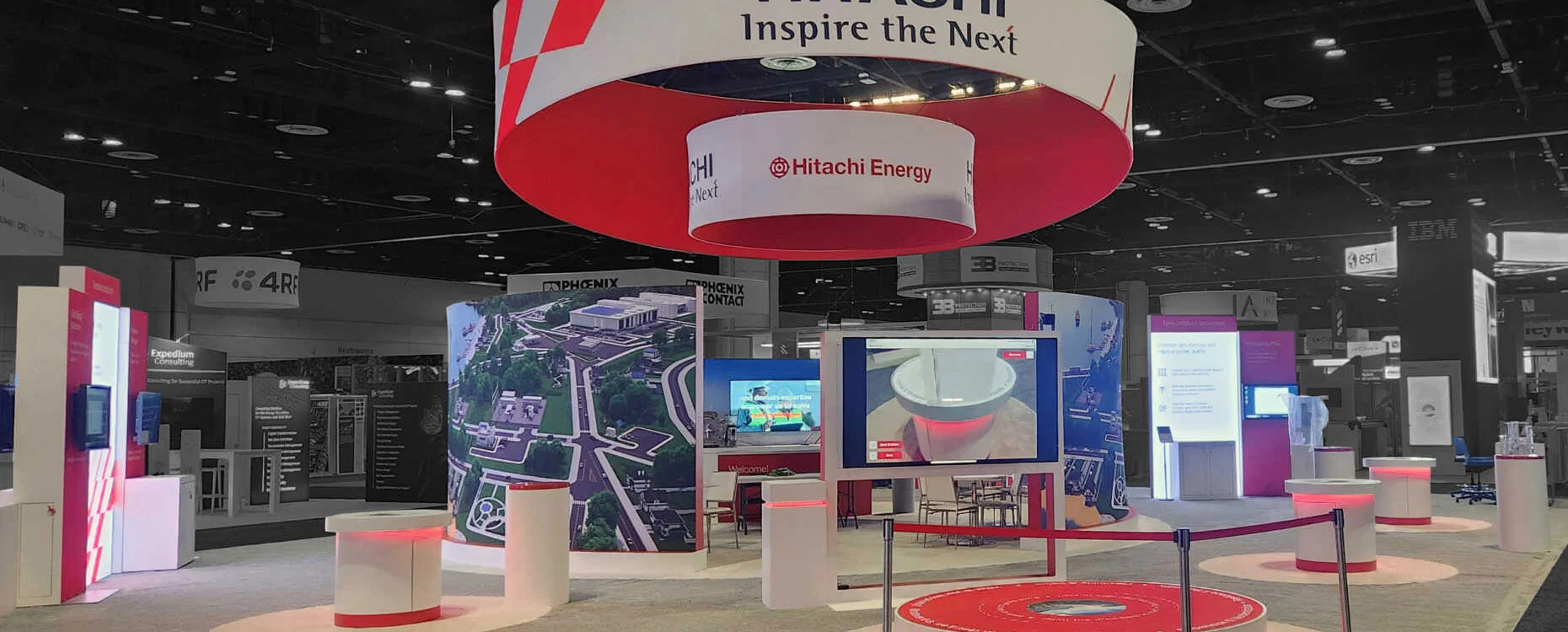
Critical Planning Pillars for DFW Roadshows
- Venue routing that sequences high-volume centers with accessible suburban halls
- Exhibit modularity to accommodate diverse floor dimensions and load-bearing specs
- Freight synchronization via advance dock reservations and carrier manifests
- Utility provisioning for lighting, AV, and data connectivity across stops
- Service partner integration for rigging, cleaning, and security continuity
- Inter-site transport protocols minimizing asset handling disruptions
- Performance metrics tracking for itinerary adjustments in real time
Venue Selection Strategies for Roadshow Itineraries
Selecting venues for a Dallas-Fort Worth roadshow itinerary involves mapping audience demographics to facility capabilities, starting with anchor sites like the Kay Bailey Hutchison Convention Center Dallas, which supports large-scale exhibits through its extensive exhibit halls and dedicated exhibitor services. Planners then incorporate complementary stops such as Dallas Market Hall for trade-focused gatherings or Fashion Industry Gallery for niche industry showcases, ensuring each location aligns with progression in the roadshow narrative. Transitioning to Irving Convention Center at Las Colinas introduces suburban logistics advantages, where ample parking and highway access facilitate attendee influx from surrounding areas, while Grapevine’s Gaylord Texan Resort & Convention Center provides a resort-style finale with combined meeting and exhibit spaces.
Convention hotels including Omni Dallas Hotel, Hyatt Regency Dallas, Hilton Anatole, Fairmont Dallas, and Sheraton Dallas Hotel serve as flexible mid-itinerary hubs for smaller, high-touch engagements, offering ballrooms adaptable to booth configurations without the scale of pure convention centers. This layered selection process accounts for travel times between clusters—typically under an hour from downtown Dallas to Irving or Grapevine—allowing daily or bi-daily moves that preserve exhibit integrity and staff energy. Planners cross-reference venue directories to confirm availability windows that overlap with roadshow timelines, prioritizing sites with proven exhibitor histories to sidestep permitting delays.
Freight Handling and Dock Management Protocols
Efficient freight operations form the backbone of roadshow mobility in DFW, where venues like Kay Bailey Hutchison Convention Center Dallas maintain designated docks equipped for heavy exhibit cargoes, requiring advance scheduling to align with shared usage among multiple events. Planners submit detailed manifests outlining crate dimensions, weights, and contents weeks prior, coordinating with carriers to stage deliveries during off-peak hours that avoid conflicts with concurrent conventions. This preemptive docking strategy extends to Dallas Market Hall and Fashion Industry Gallery, where loading zones accommodate modular shipments, enabling quick offloads into adjacent storage or staging areas.
For extended itineraries incorporating Irving Convention Center at Las Colinas or Gaylord Texan Resort & Convention Center, freight teams adapt to site-specific bay configurations, often utilizing ground-level access points that reduce forklift dependencies and accelerate booth assembly. Planners forecast total pallet volumes across the tour, consolidating shipments at central hubs to minimize per-stop hauls, while ensuring compliance with each venue’s hazardous materials restrictions and oversized load notifications. Such rigorous dock management prevents bottlenecks, allowing exhibits to transition smoothly from dismantle at one site to setup at the next within 24-hour cycles.
Hotel venues like Omni Dallas Hotel and Hyatt Regency Dallas feature service elevators and rear entries optimized for discreet freight ingress, ideal for roadshows emphasizing executive-level interactions where minimal disruption preserves the professional ambiance.
- Advance dock reservations based on exhibit square footage
- Carrier coordination for Just in Time arrivals
- Oversized item pre-approvals per venue guidelines
- Post-load security seals for asset protection
Utility and Infrastructure Provisioning
Roadshow exhibits demand reliable utilities to power interactive kiosks, video walls, and lighting rigs, with planners at Kay Bailey Hutchison Convention Center Dallas ordering from exhibitor utility catalogs that detail amperage options, data lines, and compressed air hookups available at standard booth demarcations. Forecasting consumption across multi-stops involves aggregating needs for standardized modules—say, 20-amp circuits per Ten by Ten space—and scaling for larger configurations at halls like Dallas Market Hall. This ensures uninterrupted operation, as teams test connections during advance walkthroughs to mitigate voltage fluctuations common in high-demand periods.
Extending to Irving Convention Center at Las Colinas and Gaylord Texan Resort & Convention Center, utility planners specify floor plans with exact outlet placements, coordinating with venue electricians for temporary distributions that support AV integrations without permanent alterations. Hotels such as Hyatt Regency Dallas and Omni Dallas Hotel provide house-wide Wi-Fi and AV closets, simplifying setups for roadshows focused on digital demos, though planners budget for premium bandwidth to handle lead-capture apps during peak sessions. Comprehensive utility audits post each stop refine projections, optimizing costs over the itinerary.
Rigging and hanging requirements receive similar scrutiny, with venues mandating engineering stamps for suspended elements, prompting roadshow designs that favor freestanding structures adaptable to load-rated ceilings across DFW sites.
Service Partner Engagement Across Venues
Venue-approved service partners handle specialized tasks in DFW roadshows, with Kay Bailey Hutchison Convention Center Dallas listing preferred providers for installation, audiovisual, and plumbing needs, allowing planners to issue RFPs that ensure consistency in labor quality and insurance alignments. This partner ecosystem streamlines multi-stop execution, as selected firms familiarize themselves with exhibit schematics upfront, dispatching teams versed in rapid setups for Fashion Industry Gallery’s boutique spaces or Dallas Market Hall’s expansive floors.
At Irving Convention Center at Las Colinas, event planning guides outline partner directories for catering and decor, integrated into roadshow timelines to synchronize with booth activations, while Gaylord Texan Resort & Convention Center’s in-house options expedite approvals for resort-integrated displays. Planners centralize contracts to leverage volume discounts, briefing partners on tour-wide protocols like daily cleaning cycles and security patrols that maintain exhibit pristine across transitions. Hotels like Hilton Anatole and Sheraton Dallas Hotel supplement with concierge-linked vendors, facilitating last-minute adjustments without derailing the sequence.
Partner debriefs after each stop capture efficiencies, refining scopes for subsequent venues and mitigating risks like delayed responses during overlapping conventions.
- RFP issuance for multi-venue master agreements
- Insurance certificate standardization
- Daily performance logs for accountability
- Scope escalations via centralized coordination
Exhibit Adaptability for Varied Venue Specs
Designing roadshow exhibits for DFW versatility means engineering modular frameworks that conform to booth outlines at Kay Bailey Hutchison Convention Center Dallas—often Twenty by Twenty minimums—while scaling down for Omni Dallas Hotel ballrooms or Fashion Industry Gallery’s specialized layouts. Planners prioritize lightweight, interlocking panels transportable in standard Over the Road trailers, with quick-connect electrics that bypass venue variances in outlet heights or spacing. This modularity preserves visual continuity, as branding elements like backlit headers detach for reconfiguration without tools.
Irving Convention Center at Las Colinas’ flexible hall divisions and Gaylord Texan Resort & Convention Center’s themed spaces influence height restrictions and sightline optimizations, prompting adjustable shelving and pop-up counters that adapt on-site. Testing prototypes against representative floor plans from Dallas Market Hall ensures seismic anchoring complies universally, while fabric graphics swap regionally targeted messaging during inter-stop overhauls. Hyatt Regency Dallas and similar hotels benefit from footprint-minimal designs that utilize existing risers, enhancing setup speed in constrained service corridors.
Longevity testing simulates full-tour wear, incorporating reinforced joints and UV-resistant finishes to withstand repeated assemblies amid DFW’s variable humidity.
Inter-Venue Transitions and Scheduling
Tight scheduling binds DFW roadshows, with planners plotting load-out from Kay Bailey Hutchison Convention Center Dallas to coincide with evening dock clearances, trucking assets overnight to Irving Convention Center at Las Colinas for dawn load-ins. Travel matrices account for peak-hour tolls on routes linking downtown Dallas to Grapevine, buffering 90-minute windows that encompass site surveys and utility verifications upon arrival. This choreography extends to hotel stops like Fairmont Dallas, where daytime events necessitate pre-dawn or post-midnight shifts to evade guest traffic.
Dallas Market Hall and Fashion Industry Gallery transitions leverage central locations for same-day pivots when calendars align, with padded dismantle checklists ensuring zero remnants before departure. Gaylord Texan Resort & Convention Center finales allow extended pack-downs amid resort amenities, but planners sequence prior stops to front-load high-effort sites. Contingency slots absorb weather delays on I-35E corridors, maintaining cadence through real-time itinerary dashboards shared across stakeholders.
Post-tour audits dissect transition metrics, informing refined pacing for future DFW circuits.
- Overnight trucking with GPS asset tracking
- Buffer zones for venue walkthroughs
- Weather-protocol reroutes
- Stakeholder sync via shared calendars
Performance Optimization and Data Continuity
Roadshow efficacy in Dallas-Fort Worth amplifies through unified data pipelines capturing leads at Kay Bailey Hutchison Convention Center Dallas via badge scanners synced to Irving Convention Center at Las Colinas tablets, ensuring prospect nurturing persists across stops. Planners embed QR codes on standardized exhibits for Omni Dallas Hotel sessions, funneling interactions into cloud CRM for real-time itinerary tweaks based on engagement heatmaps. This continuity turns sequential exposures into compounded ROI, as Grapevine culminations reference prior Dallas conversions.
Venue analytics from Dallas Market Hall occupancy and Fashion Industry Gallery feedback loops refine messaging pivots, with Hyatt Regency Dallas surveys probing format preferences for mid-tour enhancements. Planners aggregate footfall data against projections, adjusting dwell times or activations at subsequent sites like Hilton Anatole. Secure data handoffs during transitions prevent silos, powering executive debriefs that quantify multi-venue uplift.
Sustained metrics tracking post-tour validates routing choices, positioning DFW as a benchmark for scalable roadshows.
Roadshow Planning FAQs for DFW
Q: What distinguishes roadshows from single-site events in Dallas-Fort Worth?
Roadshows deploy reusable exhibits across venues like Kay Bailey Hutchison Convention Center Dallas, Irving Convention Center at Las Colinas, and Gaylord Texan Resort & Convention Center, building audience momentum through repeated, progressively refined engagements while optimizing logistics over one-off setups.
Q: How do freight docks factor into DFW roadshow timelines?
Venues such as Kay Bailey Hutchison Convention Center Dallas require scheduled dock access for efficient load-ins, with planners coordinating manifests to align shipments during designated windows, preventing delays in multi-stop sequences involving Dallas Market Hall or Omni Dallas Hotel.
Q: What utility considerations apply to roadshow exhibits?
Exhibitors order power, data, and AV from venue catalogs at sites like Fashion Industry Gallery and Hyatt Regency Dallas, forecasting needs for modular displays to ensure smooth functionality across the itinerary without mid-tour disruptions.
Q: How are service partners selected for multi-venue roadshows?
Planners reference approved lists at Kay Bailey Hutchison Convention Center Dallas and Irving Convention Center at Las Colinas, contracting firms for consistent installation and support that spans Grapevine’s Gaylord Texan and Dallas hotels.
Q: What routing optimizes travel in DFW roadshows?
Sequences start at central Dallas venues like Dallas Market Hall, move to Irving Convention Center at Las Colinas, and end at Gaylord Texan Resort & Convention Center, leveraging under-hour drives to minimize transition downtime.
Q: How is exhibit consistency maintained across stops?
Modular designs with interchangeable panels and quick utilities adapt to varying specs at Fairmont Dallas ballrooms or Sheraton Dallas Hotel spaces, tested against representative floor plans for tour-wide uniformity.