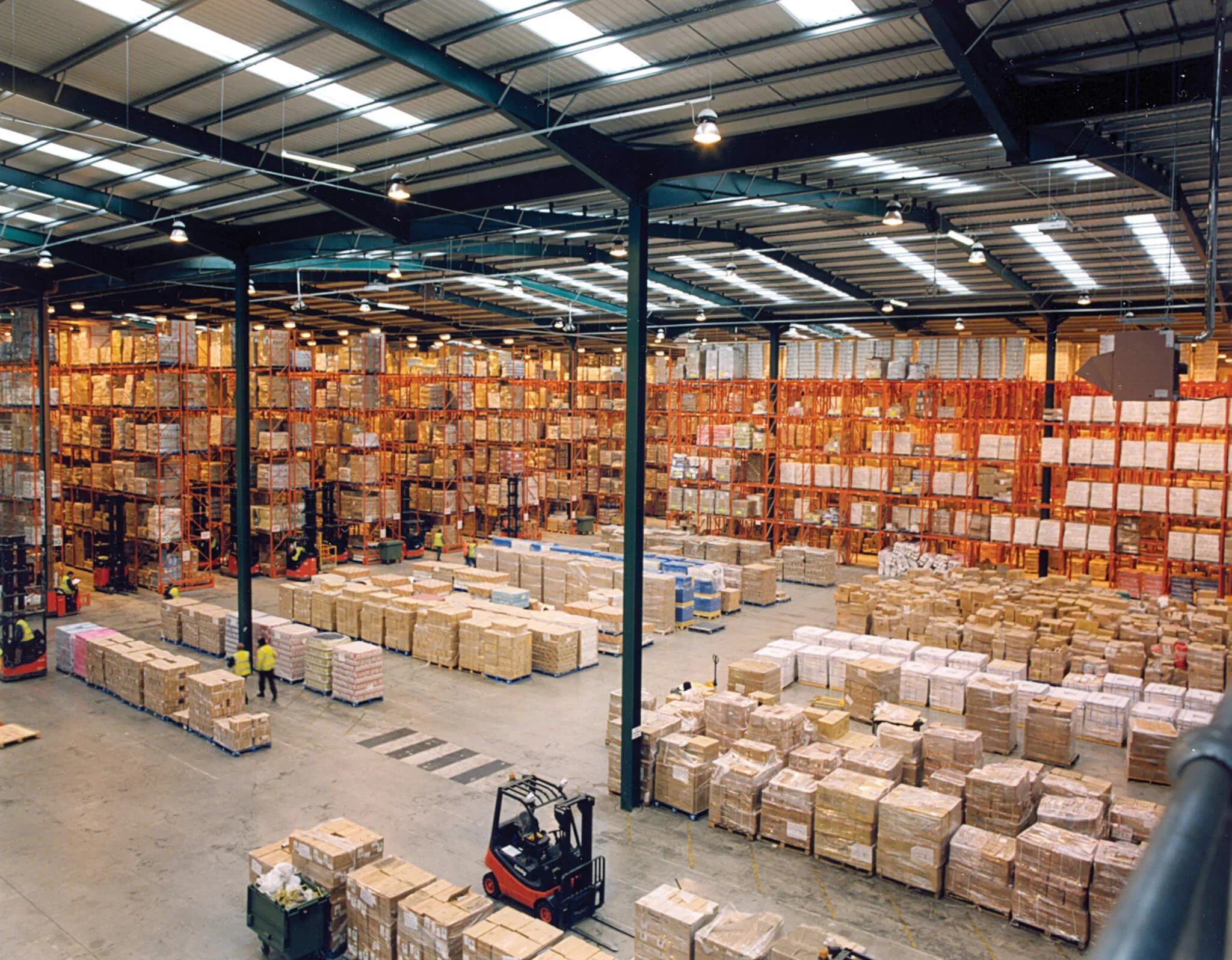
Essential Elements of Exhibit Logistics Planning
- Crating specifications matched to venue dock capabilities at Kay Bailey Hutchison Convention Center Dallas
- Coordination with venue-approved service partners for smooth material handling
- Scheduled dock access timing to align with install and dismantle phases
- Comprehensive tracking from shipper to exhibit floor across Dallas venues
- Risk mitigation through insured transport tailored to trade show cargo
- Reverse logistics protocols for efficient post-event outbound shipments
- Integration with utilities ordering at facilities like Dallas Market Hall
Venue Docks and Load-In Protocols
Dallas venues like the Kay Bailey Hutchison Convention Center Dallas feature dedicated docks designed to handle the high volume of exhibit shipments during peak trade show seasons. These facilities provide structured access points where trucks unload directly into staging areas, allowing for organized transfer to exhibit halls without cross-traffic interference. Planners coordinate advance dock reservations through the venue's exhibitor portals, specifying shipment windows that sync with overall event timelines to avoid bottlenecks during multi-booth builds.
The dock procedures at Kay Bailey Hutchison Convention Center Dallas emphasize pre-cleared manifests, ensuring that all crates are labeled with booth numbers and contractor details before arrival. This setup facilitates rapid processing, particularly for oversized items common in custom exhibits destined for their vast exhibit spaces. Shipments must account for the center's layout, positioning materials near elevators or freight elevators for upward transport to upper-level halls if required.
- Dock reservations submitted via online exhibitor systems
- Manifests including weight, dimensions, and contents for each crate
- Alignment of arrival times with designated service partner shifts
Service Partner Coordination
Engaging venue-approved service partners is a cornerstone of exhibit logistics at Dallas facilities such as the Kay Bailey Hutchison Convention Center Dallas, where official lists guide exhibitors toward compliant drayage and handling providers. These partners manage the transition from dock to floor, employing specialized equipment like pallet jacks and forklifts suited to the concrete floors and wide aisles of convention centers. Coordination begins in the planning phase, with service contracts outlining rates for inbound and outbound handling based on actual weights and cube measurements.
At venues like Dallas Market Hall, service partners extend their role to include temporary storage for early arrivals or late pickups, bridging gaps between shipping schedules and install crews. This partnership model ensures that logistics chains remain unbroken, with real-time updates on shipment status shared across all stakeholders to preempt delays.
- Review of venue service partner directories for prequalification
- Contract terms covering labor for unpacking and booth positioning
- Communication protocols for on-site adjustments during load-in
Crating and Packing for Trade Show Transit
Robust crating protects exhibit components during overland or air freight to Dallas venues, incorporating foam inserts, corner protectors, and reinforced plywood for modular walls and truss systems. For shipments targeting the Fashion Industry Gallery, where space is premium, custom crates minimize footprint while maximizing stackability on dock pallets. Materials selection considers the vibration and compression forces of cross-country hauls, ensuring that graphics tubes and LED panels emerge unscathed for immediate deployment.
Packing manifests detail disassembly sequences, aiding handlers at arrival to prioritize critical path items like power distribution units required for utilities hookups at Kay Bailey Hutchison Convention Center Dallas. This documentation also supports customs if international elements are involved, though domestic routes to DFW predominate for most exhibitors.
Drayage and On-Site Material Handling
Drayage services at Dallas convention centers like Omni Dallas Hotel involve short-haul transport from docks to booth spaces, calculated by the hundredweight to reflect handling intensity. Teams navigate the facility's freight corridors, using protective coverings to shield floors from scuffing during cartage of carpet rolls or riser sections. At Hyatt Regency Dallas, where exhibit areas adjoin ballrooms, drayage paths account for guest traffic patterns to maintain event flow.
Rates and availability fluctuate with show scale, prompting planners to lock in capacities early through service partners affiliated with Kay Bailey Hutchison Convention Center Dallas. This phase bridges shipping culmination with installation, positioning skids precisely for crew efficiency.
- Weight-based pricing for inbound and outbound drayage
- Floor protection protocols during material movement
- Skid placement optimized for I&D workflow
Scheduling Inbound and Outbound Shipments
Inbound logistics timelines align with venue move-in schedules, targeting dock arrivals days before public open to allow buffer for inspections at Dallas Market Hall. Pre-show storage options through service partners accommodate early shipments, releasing materials per booth contractor directives. This phased approach prevents pileups at high-traffic docks like those at Kay Bailey Hutchison Convention Center Dallas.
Outbound reverse logistics follows dismantle completion, with crates repacked on-site and queued for truck loading within strict dock windows. Planners forecast these sequences using historical data from similar events, ensuring carriers are positioned for prompt departure to avoid demurrage fees.
- Pre-show storage contracts for advance deliveries
- Post-dismantle packing stations on exhibit floors
- Carrier scheduling synced to venue outbound protocols
Utilities and Forklift Integration in Logistics
Exhibit shipments often bundle utilities orders, with power drops and data lines positioned post-drayage at venues like the Kay Bailey Hutchison Convention Center Dallas. Logistics plans specify crate locations holding electrical subassemblies, enabling handlers to stage them near booth footprints for electrician access. This integration streamlines the handoff from shipping to setup phases.
Forklift requirements for palletized loads are pre-declared, matching venue capacities at Dallas Market Hall where ceiling heights accommodate standard reach trucks. Service partners verify these details against floor plans, preventing mismatches that could halt progress.
Risk Management and Insurance Protocols
Comprehensive cargo insurance covers exhibit shipments from warehouse dispatch to venue delivery, addressing perils like weather delays en route to DFW airports or road disruptions. All-risk policies extend to on-site handling at Fashion Industry Gallery, where tight turns increase damage potential. Claims processes emphasize photo documentation at key handoffs, from shipper receipt to dock unload.
Compliance with venue exhibitor guidelines, including those at Kay Bailey Hutchison Convention Center Dallas, mandates certificates of insurance naming service partners as additional insureds. This layered protection safeguards investments in custom builds throughout the logistics cycle.
- All-risk coverage for transit and on-site phases
- Venue-required COIs for all contractors involved
- Incident reporting chains from dock to insurer
Post-Event Reverse Logistics Optimization
Reverse logistics recaptures booth assets efficiently, repacking under dismantle oversight at Omni Dallas Hotel to mirror inbound crate configurations. Service partners at Kay Bailey Hutchison Convention Center Dallas facilitate outbound dock priority for early exits, consolidating partial loads to cut shipping costs. Inventory audits confirm completeness before seal, preventing loss across multi-venue tours.
Long-term storage referrals post-event preserve items for subsequent Dallas shows, with climate-controlled options shielding electronics from Texas humidity. This full-cycle approach maximizes ROI on exhibit investments.
- Repacking to original specs for asset protection
- Consolidated outbound shipments for cost efficiency
- Audit trails for inventory reconciliation
Frequently Asked Questions on Exhibit Logistics
Q: How do dock procedures work at Kay Bailey Hutchison Convention Center Dallas?
The center provides dedicated docks for exhibitor shipments, requiring advance reservations and detailed manifests with booth assignments, weights, and dimensions to streamline unloading and transfer to halls.
Q: What role do service partners play in Dallas venue logistics?
Venue-approved service partners handle drayage, material handling, and storage at facilities like Kay Bailey Hutchison Convention Center Dallas, ensuring compliance with exhibitor protocols and efficient floor delivery.
Q: How should exhibits be crated for shipping to Dallas Market Hall?
Crates use reinforced construction with protective interiors, labeled clearly for booth locations, and sized for stackability to fit the hall's dock and aisle constraints during high-volume load-ins.
Q: What timing considerations apply to inbound shipments?
Schedule arrivals to match move-in windows, utilizing pre-show storage if early, coordinated through service partners to avoid dock congestion at venues like Fashion Industry Gallery.
Q: How is reverse logistics managed post-event?
After dismantle, materials are repacked on-site, audited, and scheduled for outbound dock access, with options for consolidation and storage to optimize return shipping.
Q: Are utilities factored into logistics planning?
Yes, shipments position utilities-related components near booth sites post-drayage, aligning with venue ordering processes at Kay Bailey Hutchison Convention Center Dallas for prompt hookups.