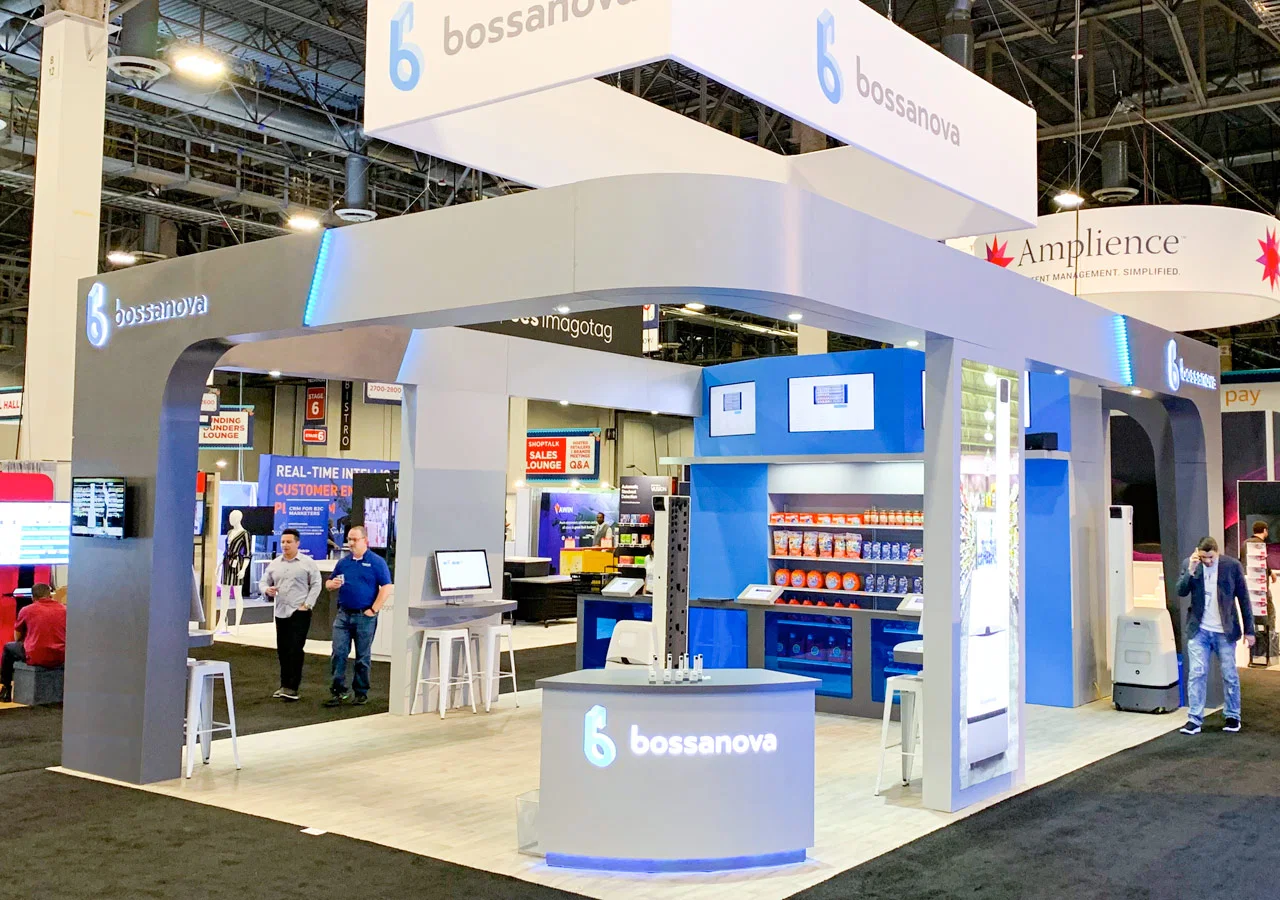
Essential Phases in Turnkey Trade Show Execution
- Initial consultation and booth footprint optimization for venue halls
- Freight coordination with dock advance scheduling requirements
- Custom fabrication aligned with load-in constraints
- On-site installation under EAC guidelines
- Real-time project supervision during show days
- Utility and AV provisioning per advance orders
- Streamlined dismantle and outbound logistics
Booth Design and Fabrication Tailored to Venue Specifications
Developing a booth design under turnkey services begins with analyzing the target venue's spatial parameters, such as the vast exhibit floors at Kay Bailey Hutchison Convention Center Dallas, which accommodate modular structures up to certain height and weight limits to ensure safe assembly. Coordinators review event floor plans early to position designs that maximize traffic flow, incorporating elements like hanging signage or island configurations feasible within the hall's rigging capacities. Fabrication follows with materials selected for durability during transport and compliance with fire safety standards prevalent across Dallas venues, resulting in structures that assemble rapidly without specialized tools beyond standard exhibit hardware.
Once blueprints are finalized, production shifts to precision manufacturing where components are pre-engineered for interchangeability, allowing adaptations for different venues like the more intimate setups at Fashion Industry Gallery or the expansive layouts at Dallas Market Hall. Quality checks simulate load-in scenarios, verifying that crates fit through standard dock doors and that assembly sequences align with time-constricted I&D windows. This phase eliminates surprises by incorporating venue-specific motifs, such as thematic integrations for market-driven events, ensuring the final product enhances brand visibility without operational friction.
- Modular panel systems for quick reconfiguration
- Lightweight truss frameworks for overhead elements
- Graphic panels optimized for high-traffic sightlines
- Crate designs compliant with freight carrier specs
Freight Logistics and Venue Dock Coordination
Freight management in turnkey services prioritizes advance dock reservations, particularly at facilities like Kay Bailey Hutchison Convention Center Dallas, where exhibitors must submit load-in schedules through designated portals to secure time slots amid competing shipments. Coordinators consolidate carrier manifests, selecting routes that leverage DFW airport proximity for air freight or major highways for ground transport, while padding timelines for customs clearance if international elements are involved. Upon arrival, teams orchestrate unloading sequences to prevent bottlenecks, using protective wrapping and pallet jacks suited to concrete dock surfaces.
Post-delivery, inventory audits confirm crate integrity before advancing to unpack, with any discrepancies flagged immediately for carrier resolution. This meticulous handling extends to hazardous materials protocols if booth features include batteries or compressed gases, ensuring all documentation matches venue manifests. For multi-venue tours, turnkey plans include interim storage options that preserve component condition, facilitating smooth transitions between Dallas Market Hall apparel shows and larger conventions at Omni Dallas Hotel.
- Pre-event dock booking submissions
- Carrier performance tracking
- Crate labeling per venue codes
- Damage claim processing
Installation and Setup Precision
Installation under turnkey protocols commences with site walkthroughs to verify floor load capacities and column obstructions, critical in multi-level halls like those at Kay Bailey Hutchison Convention Center Dallas. Crew briefings outline assembly hierarchies, starting with base frameworks secured via weighted ballast or approved anchoring to withstand foot traffic vibrations. Integration of lighting grids and power risers follows, with cabling routed to avoid trip hazards and comply with aisle clearance mandates.
Progressive builds layer interactive zones, such as demo stations or video walls, calibrated for optimal viewing angles based on booth locale. Final sweeps include functionality tests under live power conditions, adjusting for ambient hall lighting variations. This phase wraps with client walkthroughs, incorporating last-minute tweaks to align with evolving show themes, all within contracted move-in windows to free up space for neighboring exhibits.
On-Site Management and Supervision
During show days, turnkey supervision maintains booth readiness through hourly patrols that monitor structural integrity, replenish collateral, and troubleshoot minor issues like loose fittings or dimmed displays. Coordinators interface with venue staff on shared utilities, resolving shared meter disputes or access requests promptly to sustain operations. Daily debriefs with exhibitor teams capture leads data and engagement metrics, informing real-time content rotations for peak attendance periods.
This oversight extends to contingency planning, where backup components stored discreetly handle unforeseen failures, such as projector malfunctions common in high-humidity environments. Reporting compiles quantitative insights like dwell times and interaction rates, benchmarked against prior events at similar venues like Hyatt Regency Dallas, providing actionable intelligence for refinement.
- 24/7 on-call response
- Lead capture system integration
- Venue liaison communications
- Performance analytics compilation
Utilities and Technical Services Integration
Utility provisioning forms a cornerstone of turnkey execution, requiring orders placed 30-60 days prior for sites like Kay Bailey Hutchison Convention Center Dallas, where electrical drops, internet lines, and compressed air hookups are metered per booth footprint. Coordinators specify amperage based on load calculations for high-draw elements like LED walls or charging hubs, ensuring circuits avoid overloads during peak draw times. AV setups incorporate distributed audio systems zoned for booth perimeters, synced with central event feeds if applicable.
Post-installation verifications test bandwidth stability for streaming applications, with redundancies like failover hotspots for mission-critical demos. Waste management ties in with recycling directives, segregating exhibit refuse from general hall cleanup to meet sustainability goals outlined in venue guidelines.
- Advance service order submissions
- Load balancing assessments
- Bandwidth testing protocols
- Eco-compliant disposal
Dismantle, Packout, and Outbound Logistics
Dismantle phases adhere strictly to venue egress deadlines, reversing installation sequences to deconstruct efficiently while protecting adjacent spaces at facilities like Dallas Market Hall. Components are cleaned, inventoried, and repackaged with fresh protective layers, noting any show-related wear for refurbishment quotes. Forklift coordination clears freight aisles promptly, syncing with dock out slots to evade overtime surcharges.
Outbound shipments include tracking beacons for real-time visibility, routing to client warehouses or forward staging for upcoming events. Final venue compliance checks confirm zero debris, securing sign-off before departure. Comprehensive recaps detail execution variances, budget adherences, and ROI indicators for strategic planning.
EAC and GC Compliance Navigation
Turnkey services expertly handle Exhibitor Appointed Contractor designations, submitting credentials well ahead for approval at Kay Bailey Hutchison Convention Center Dallas, where official service partners manage core functions but allow qualified EACs for custom scopes. Documentation packages include insurance proofs, safety plans, and staffing rosters tailored to event scales, preempting rejections that delay setups. General Contractor integrations ensure booth work dovetails with hall-wide builds, coordinating shared rigging or crane times.
Ongoing audits maintain compliance throughout, adapting to addendums like labor call lists or material handling certs. This navigation preserves autonomy over proprietary elements while leveraging venue expertise for ancillary needs.
- Pre-approval packet assembly
- Insurance verification
- Safety protocol alignments
- Addendum response handling
Frequently Asked Questions About Turnkey Trade Show Services
Q: What exactly is included in turnkey trade show services?
Turnkey services cover the entire exhibit process from design and fabrication through logistics, installation, on-site management, utilities setup, and dismantle, providing unified coordination for venues like Kay Bailey Hutchison Convention Center Dallas without exhibitors managing multiple vendors.
Q: How far in advance should dock and utility orders be placed for Dallas venues?
Advance planning is essential; dock schedules and utilities at Kay Bailey Hutchison Convention Center Dallas typically require submissions 30-60 days prior to secure slots and avoid premiums during high-demand events.
Q: Can turnkey services accommodate EAC requirements?
Yes, turnkey coordination includes full EAC compliance submissions, insurance alignments, and safety documentation tailored to venue rules at facilities such as Dallas Market Hall or Omni Dallas Hotel.
Q: What happens during the dismantle phase?
Dismantle follows precise egress timelines, with systematic packout, inventory, cleaning, and outbound freight routing to ensure compliance and protect components for future use.
Q: How does turnkey handle multi-venue event schedules?
Schedules are optimized with interim storage and transport planning, adapting designs for varying hall contexts across Dallas clusters like Irving Convention Center or Gaylord Texan.
Q: What reporting comes with turnkey execution?
Post-event reports detail timelines, budgets, engagement metrics, and compliance notes, benchmarked against venue-specific benchmarks for continuous improvement.