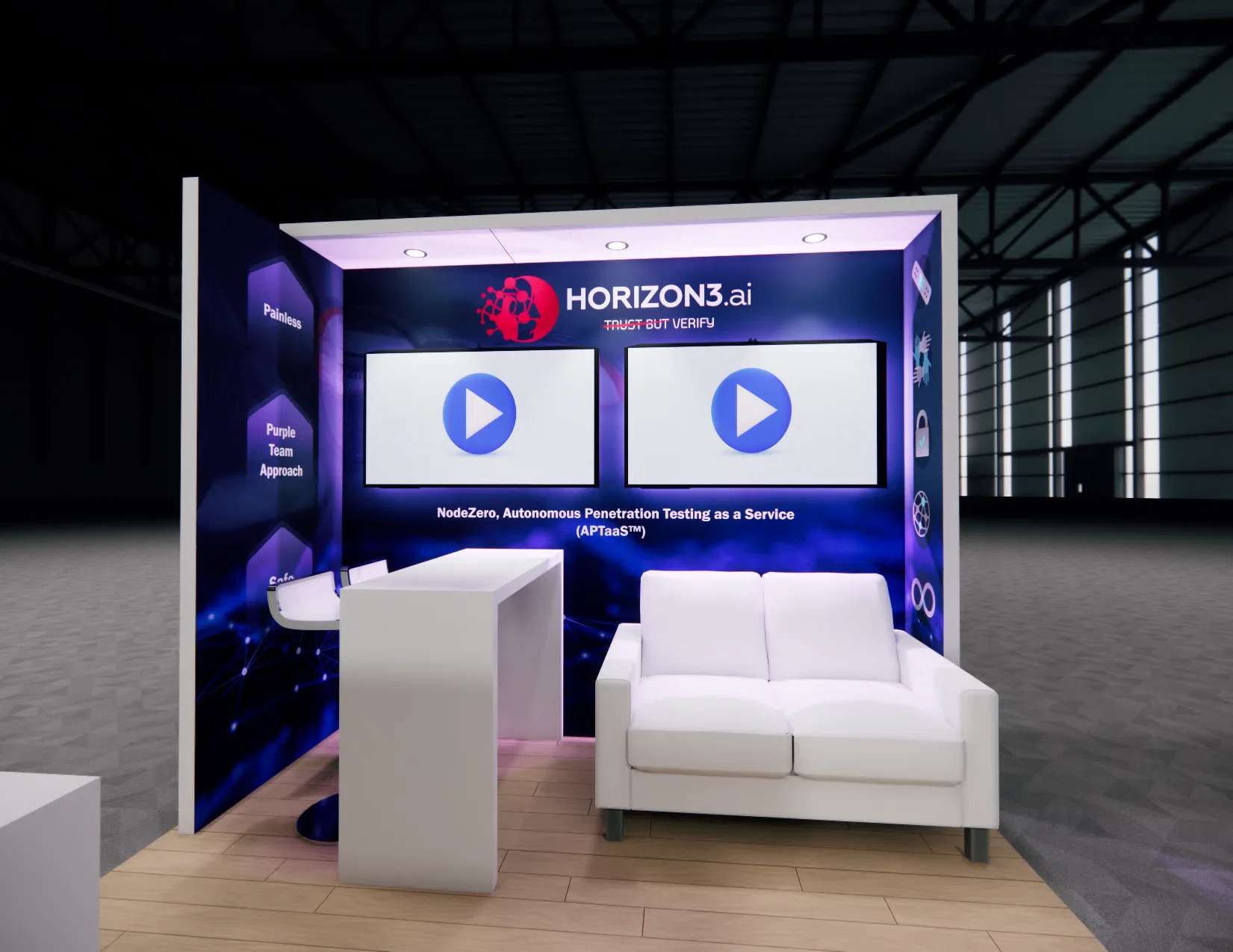
Essential Components of Lighting Design and Rigging
- Precise beam angle calculations to spotlight key exhibit zones without spillover into neighboring spaces
- Selection of LED fixtures for energy efficiency and low heat output suitable for prolonged trade show operations
- Truss and rigging configurations compliant with venue load limits at facilities like the Kay Bailey Hutchison Convention Center Dallas
- Integration of DMX control systems for dynamic effects synchronized with multimedia elements
- Power budgeting aligned with exhibitor utility orders to prevent overloads during peak hours
- Safety certifications for all suspended elements, including redundant cabling and fall arrest measures
- Post-installation aiming and gel filtering to fine-tune aesthetics for brand-specific color palettes
Venue Docking and Access Planning for Rigging Gear
Delivering rigging components and lighting fixtures to Dallas venues requires meticulous scheduling around designated dock operations, as detailed in the Kay Bailey Hutchison Convention Center Dallas exhibitor resources. Advance reservations for dock time accommodate the transport of trusses, motors, and heavy fixtures, preventing delays that could compress setup windows in shared loading zones. Teams must sequence unloading to prioritize structural elements, ensuring that cross-beams and hoists reach the exhibit floor first for immediate assembly amid concurrent I&D activities.
Power cables and control lines follow, coiled and labeled for rapid distribution to utility drops, which venues like Dallas Market Hall specify in their operational guidelines. This phased approach minimizes floor clutter and aligns with service partner protocols, allowing for efficient progression to overhead installations without impeding neighboring exhibitors' access paths.
- Confirm dock reservation 30-60 days prior based on booth size and rigging scope
- Measure gear dimensions against venue lift gate specs for smooth ingress
- Coordinate with EAC for shared dock usage during peak move-in periods
Utility Power Allocation for Lighting Systems
Trade show lighting demands substantial electrical capacity, prompting careful coordination with venue utility orders at the Kay Bailey Hutchison Convention Center Dallas, where exhibitors specify amperage needs for fixtures, dimmers, and controllers. Designers calculate total draw from fixture wattages, factoring in diversity factors for simultaneous operation across multiple circuits to stay within hall allocations. This prevents tripped breakers during live demos, ensuring consistent illumination throughout event days.
In hotel convention spaces like the Omni Dallas Hotel, utility panels vary by room, requiring site surveys to map drops to rigging points. Backup generators or additional feeds become considerations for high-intensity applications, with orders placed well ahead to match the phased power-up sequence from base booth needs to full rig activation.
- Audit fixture specs for single-phase vs. Three-phase requirements
- Incorporate 20% buffer in power budgets for transient surges
- Verify ground fault protection compatibility with venue panels
Custom Fixture Layouts Tailored to Booth Architecture
Lighting designs originate from 3D renders of booth structures, positioning fixtures to accentuate vertical elements, product shelves, and interactive zones at venues like the Fashion Industry Gallery. Front, side, and top lighting layers create depth, with calculations ensuring even coverage across floor plans up to 20x40 standards. Adjustments for wall heights and island configurations optimize throw distances, enhancing perceived scale in compact settings.
Rigging plans detail motor placements for flown arrays, balancing loads across truss grids that interface with booth skeletons. This integration supports modular reconfigurations, allowing quick shifts between daytime static displays and evening dramatic effects without full teardowns.
Safety and Structural Compliance in Overhead Installations
Rigging at Dallas convention centers mandates adherence to engineered drawings reviewed by service partners, as exhibitor guidelines at the Kay Bailey Hutchison Convention Center Dallas require certification of all suspended loads. Tensioning cables, chain hoists, and safety slings undergo tension tests pre-install, with tag lines controlling swings during lifts in open exhibit halls. Proximity to fire suppression systems prompts shielded fixtures and heat-managed positions to maintain compliance.
Daily inspections cover connections and fixtures, logging adjustments in reports for venue walkthroughs. This regimen safeguards against vibrations from adjacent freight or crowd movements, preserving integrity through multi-day shows.
- Engineer stamps on all rigging plots for official submission
- Implement dual-rated hardware exceeding venue minimums
- Schedule proof loads at 125% capacity before final hangs
Control Systems and Dynamic Programming
DMX universes route signals from central consoles to fixture clusters, programmed for cues that sync with video walls and motion graphics in Dallas trade show environments. Pre-show dry runs simulate venue acoustics and sightlines, refining transitions for audience flow at halls like Dallas Market Hall. Wireless overrides enable on the Fly tweaks by booth staff, maintaining engagement without technical interruptions.
Integration with house AV at hotels such as the Hyatt Regency Dallas expands capabilities, merging exhibit lights with general session illumination for cohesive experiences. Fail-safes like manual backups ensure operation if primary controllers falter amid network demands.
On-Site Testing and Optimization Protocols
Post-rigging, comprehensive light plots verify aim points and intensities across the booth footprint, using lux meters to balance foot-candles from 50-500 range depending on zones. Color rendering indices confirm fabric and product fidelity under mixed sources, with gels swapped for precise matching at venues like the Fashion Industry Gallery. Focus pulls eliminate hotspots, aligning with pre-event photometric models.
Final walk-throughs with clients adjust for ambient venue lighting, programming Day to Night modes that adapt to natural daylight variations in perimeter halls. Documentation transfers to show management for I&D reversal, preserving setups for future iterations.
- Conduct gel tests under actual power conditions
- Calibrate consoles to venue DMX addressing schemes
- Archive cue lists for dismantle reference
Coordination with Service Partners and GC Services
Aligning lighting timelines with general contractor milestones ensures rigging slots into overall I&D flows at the Kay Bailey Hutchison Convention Center Dallas, where service partners oversee hall clearances. Pre-con calls establish handoff points, from Dock to Floor transport to utility tie-ins, streamlining multi-vendor executions.
This collaboration extends to post-show strikes, sequencing light lowers ahead of dismantle to facilitate packing and dock egress, minimizing overtime exposures in compressed outbounds.
Frequently Asked Questions on Trade Show Lighting Design and Rigging
Q: How far in advance should lighting designs be finalized for Dallas venues?
Designs should be locked 45-60 days prior to align with dock reservations and utility orders at facilities like the Kay Bailey Hutchison Convention Center Dallas, allowing time for service partner reviews and revisions.
Q: What power considerations apply to rigging at convention hotels?
Hotels such as the Omni Dallas Hotel provide room-specific panels, so calculate draws against available circuits and order supplements early to support full fixture arrays without overloads.
Q: Are custom truss designs feasible for standard booth sizes?
Yes, modular trusses scale to 10x20 up to 40x80 footprints, engineered for venue ceilings and integrated with booth frames for stable, low-profile installations.
Q: How is rigging safety verified on-site?
Proof loading, tension checks, and daily logs confirm compliance, with all hardware dual-rated and certified per exhibitor guidelines across Dallas Market Hall and similar spaces.
Q: Can lighting integrate with other AV elements?
DMX syncing unifies lights with video, audio, and interactives, programmed for smooth cues that enhance booth narratives in competitive convention environments.
Q: What happens if venue utilities fall short?
Budgets include buffers, with contingency feeds or generator tie-ins coordinated via advance exhibitor utility specs to maintain full operational intensity.