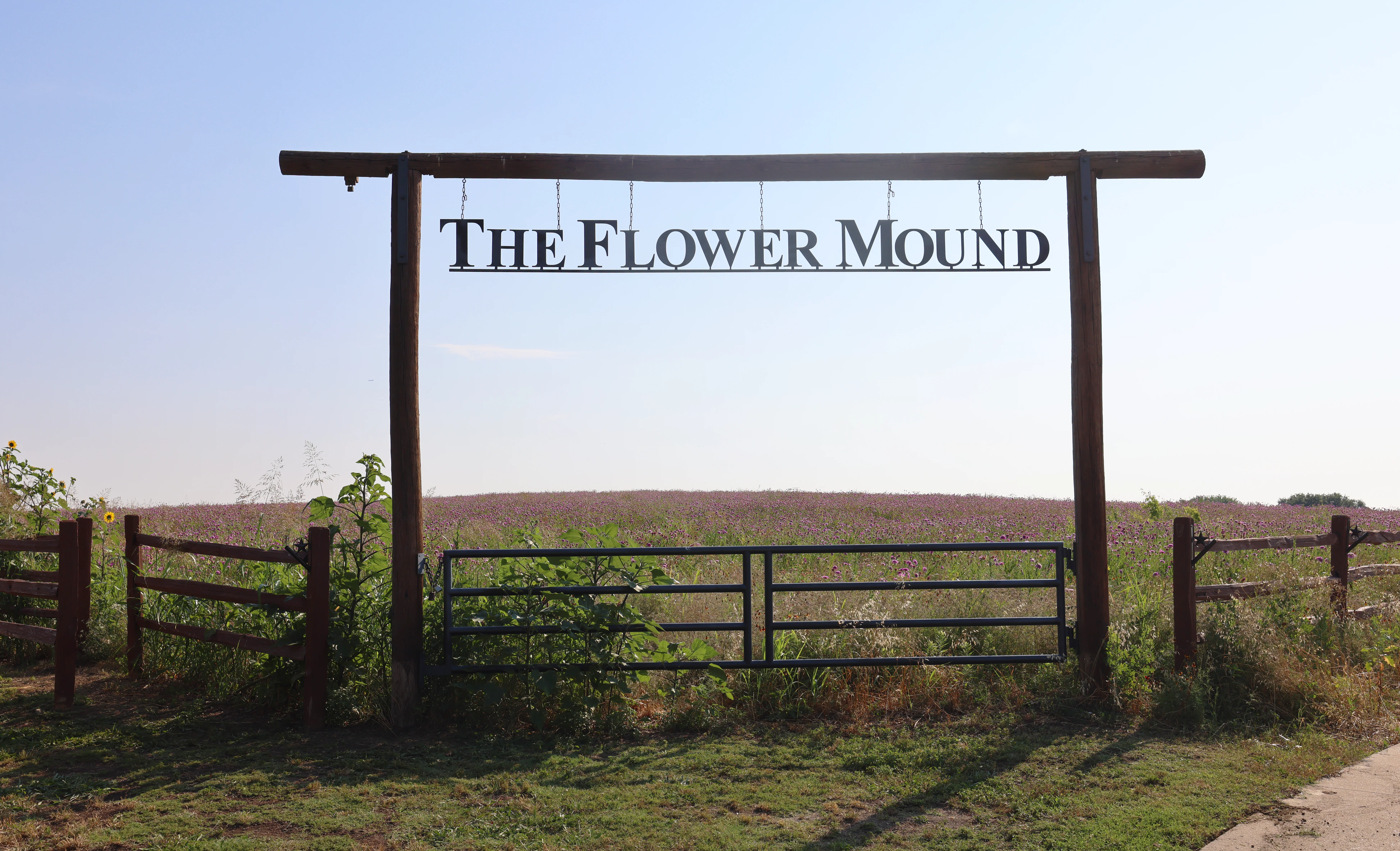
Essential Planning Elements for Flower Mound Exhibitors
- Venue cluster analysis and selection criteria
- Logistics planning for Suburban to Urban transitions
- Design compliance with facility-specific regulations
- Freight and material handling coordination
- Technology integration and AV requirements
- Budget allocation across the full event lifecycle
- Performance measurement and lead tracking protocols
Positioning Flower Mound Within the DFW Trade Show Framework
Flower Mound has emerged as a key suburban center in the expanding DFW region, home to numerous enterprises that recognize the value of Face to Face marketing at industry events. The town's strategic location offers straightforward access to the primary transportation arteries that connect to all major exhibition facilities, allowing for efficient movement of personnel and materials when timed appropriately. This positioning supports both frequent local participation and the hosting of regional teams for national shows staged in the metroplex.
Planning for success in this environment requires a thorough understanding of how the different venue clusters operate. Downtown Dallas presents one set of considerations centered around the Kay Bailey Hutchison Convention Center with its extensive service partner network and detailed operational documentation, while areas like Grapevine and Arlington offer distinct environments with their own hospitality and convention strengths as documented in regional planning guides from Visit Irving, Arlington.org, and Visit Frisco.
Coordination resources help bridge these differences, ensuring that exhibit programs developed for Flower Mound companies account for variables in load-in procedures, utility access, and post-show logistics that can significantly impact overall costs and outcomes. By treating each venue according to its individual characteristics rather than applying a One Size Fits All approach, exhibitors achieve better results and more efficient use of their marketing budgets.
The recommended approach involves early mapping of the annual trade show calendar against the strengths of each district to create a balanced program that leverages the full diversity of DFW opportunities.
- Proximity to DFW airport approaches for national exhibitors
- Convenient routing to multiple convention corridors
- Access to both business and consumer show opportunities
Key Venues and Their Operational Characteristics
The DFW area features a rich variety of exhibition spaces, each with particular strengths that align with different exhibitor objectives. The Kay Bailey Hutchison Convention Center stands as a cornerstone for large-scale events, offering detailed exhibitor resources covering everything from initial expectations to advanced planning for utilities and dock operations as outlined in official center documentation.
Smaller or more specialized venues like Dallas Market Hall and the Fashion Industry Gallery provide alternatives for targeted industry segments, each requiring their own coordination tactics. Meanwhile, venues in neighboring communities such as those highlighted in the Irving Event Planning Guide, Arlington conventions information, and Frisco meeting venues present additional options that may reduce travel time for certain Flower Mound-based teams.
Understanding these distinctions allows for more precise matching of event selection to company goals, whether the priority is broad exposure or focused networking within specific sectors. Each cluster maintains its own rhythm of show schedules, audience profiles, and operational protocols that informed planners must incorporate from the earliest stages.
This district-level awareness prevents mismatched expectations and supports the creation of exhibits that function effectively whether deployed in a high-traffic downtown environment or a more specialized suburban setting.
Coordinating with Dallas Convention Center Service Partners
Successful participation at the Kay Bailey Hutchison Convention Center depends on effective collaboration with approved service partners for various aspects of the exhibit lifecycle. The center maintains extensive documentation to guide exhibitors through the process, helping to avoid common pitfalls related to material handling, electrical needs, and internet connectivity.
For organizations based in Flower Mound, early engagement with these established protocols enables smoother integration of custom or rental exhibits into the larger show environment. Planning well in advance ensures that all necessary approvals and arrangements are secured according to the center's published timelines and requirements.
Additional resources address specific elements such as dock assignments and freight management, which can be particularly relevant for suburban exhibitors managing transportation from distribution points outside the urban core. These guidelines help create predictable timelines that accommodate the additional transit considerations inherent to Flower Mound origins.
Reviewing the full suite of exhibitor support materials before committing to a show allows for accurate budgeting and prevents last-minute adjustments that could compromise program effectiveness.
- Review of official exhibitor guidelines
- Utilization of approved service directories
- Advance utility ordering procedures
- Adherence to published dock schedules
Exhibit Design Strategies for DFW Success
Creating exhibits that perform effectively across the varied DFW venues requires designs that are both flexible and compliant with individual facility standards. Factors such as ceiling heights, floor load capacities, and sight-line requirements differ between locations, making adaptable modular approaches particularly valuable for companies that exhibit multiple times per year.
Incorporating elements that facilitate lead capture and product demonstration while remaining mindful of traffic flow can dramatically improve engagement metrics. The most effective designs emerge from iterative planning that considers not only the visual impact but also the practical realities of installation within compressed move-in windows typical of major conventions.
Coordination with experienced partners familiar with the full spectrum of DFW venues helps ensure that these considerations are addressed during the concept phase rather than as last-minute adjustments. This proactive methodology typically results in higher performance across multiple shows while controlling long-term fabrication and modification expenses.
Successful designs also integrate technology solutions that align with available venue infrastructure, creating smooth experiences that reinforce brand messaging without introducing unnecessary operational complexity.
Logistics and Transportation Planning from Flower Mound
Material handling represents one of the more complex elements of any DFW trade show program, particularly for exhibitors originating from suburban locations like Flower Mound. Effective coordination involves mapping optimal routes, understanding carrier requirements, and aligning delivery schedules with each venue's specific receiving windows and labor parameters.
Advanced planning mitigates risks associated with traffic patterns around major event periods and helps control costs related to overtime or special handling. By treating logistics as an integrated component of the overall exhibit strategy rather than an afterthought, organizations can achieve more predictable outcomes across their entire event calendar.
Resources that focus on these operational details provide checklists and timelines that have been refined through experience with the unique characteristics of the Dallas-Fort Worth market. Such tools help Flower Mound planners account for variables that might not be immediately apparent when viewing only the venue floor plans.
Comprehensive logistics coordination also extends to return freight arrangements and potential storage between shows, creating a closed-loop system that protects materials and reduces repeated fabrication expenses.
- Carrier selection based on venue proximity
- Pre-shipment documentation requirements
- Return freight arrangement strategies
- Storage options between multiple shows
Measuring Results and Refining Future Programs
Trade show participation represents a significant investment that warrants careful evaluation of both quantitative and qualitative outcomes. Establishing clear objectives prior to the event and implementing consistent measurement approaches allows Flower Mound companies to determine which aspects of their exhibit program deliver the highest return.
Beyond immediate lead counts, effective assessment considers factors such as brand exposure, competitive intelligence gathered, and relationships strengthened during the show. This data then informs adjustments to booth design, staffing, promotional tactics, and venue selection for subsequent events within the DFW ecosystem.
The most sophisticated exhibitors maintain a continuous improvement cycle that leverages insights from each DFW participation to strengthen their overall marketing strategy. Documentation of both successes and challenges creates institutional knowledge that compounds over multiple events.
Integrating post-show debriefs with formal metrics creates a feedback loop that progressively increases program effectiveness while identifying opportunities for greater efficiency in future planning cycles.
Developing a Comprehensive Multi-Venue Calendar
Many Flower Mound organizations find value in participating across several DFW venue types throughout the year to reach different segments of their target audience. Creating a coordinated calendar that balances these opportunities while managing internal resources requires strategic oversight and careful scheduling.
Factors including show timing, audience overlap, and budget distribution all play important roles in determining the optimal sequence of events. Planning resources can help identify complementary opportunities within the rich DFW calendar while avoiding conflicts that might strain preparation capacity.
This holistic approach ensures that individual exhibits contribute to larger, year-round objectives rather than functioning as isolated activities. When properly structured, a multi-venue strategy creates momentum that builds with each successive show.
Successful calendars also incorporate adequate preparation buffers between events, allowing for refinement of messaging, materials, and staffing based on real-time learning from prior participations.
- Industry event identification and prioritization
- Resource allocation across multiple shows
- Theme and messaging consistency planning
- Staff training and preparation protocols
Frequently Asked Questions About Flower Mound Trade Show Coordination
Q: How does Flower Mound's location benefit trade show exhibitors in the DFW area?
Its position within the metropolitan region provides practical access to the primary venue corridors while avoiding some of the infrastructure challenges of more central locations. This enables more efficient planning for both exhibit transport and team travel across the various districts.
Q: What resources are available for exhibitors at the Kay Bailey Hutchison Convention Center?
The center offers extensive exhibitor support including documentation on what to expect, lists of service partners, utility ordering information, and guidelines for dock usage and material handling.
Q: Should Flower Mound companies consider multiple venue types for their trade show program?
Yes, the DFW area features distinct clusters with different operational contexts. Evaluating options in Dallas, Fort Worth, Arlington, Irving, Frisco, Grapevine, and Addison allows for more targeted audience reach across various event formats.
Q: What should be prioritized when planning exhibit logistics from Flower Mound?
Focus on aligning transportation schedules with specific venue requirements, understanding material handling procedures, and building appropriate buffer time for suburban departures to ensure on-time arrival and setup.
Q: How can businesses in Flower Mound ensure compliance with varying venue regulations?
By consulting official resources for each facility early in the planning process and working with coordination partners familiar with DFW standards, organizations can avoid compliance issues that might otherwise arise during installation.
Q: What role does advance planning play in DFW exhibit success?
Early coordination allows for better pricing on services, more options for booth design and technology integration, and reduced stress during the critical move-in and move-out periods that characterize most major conventions.