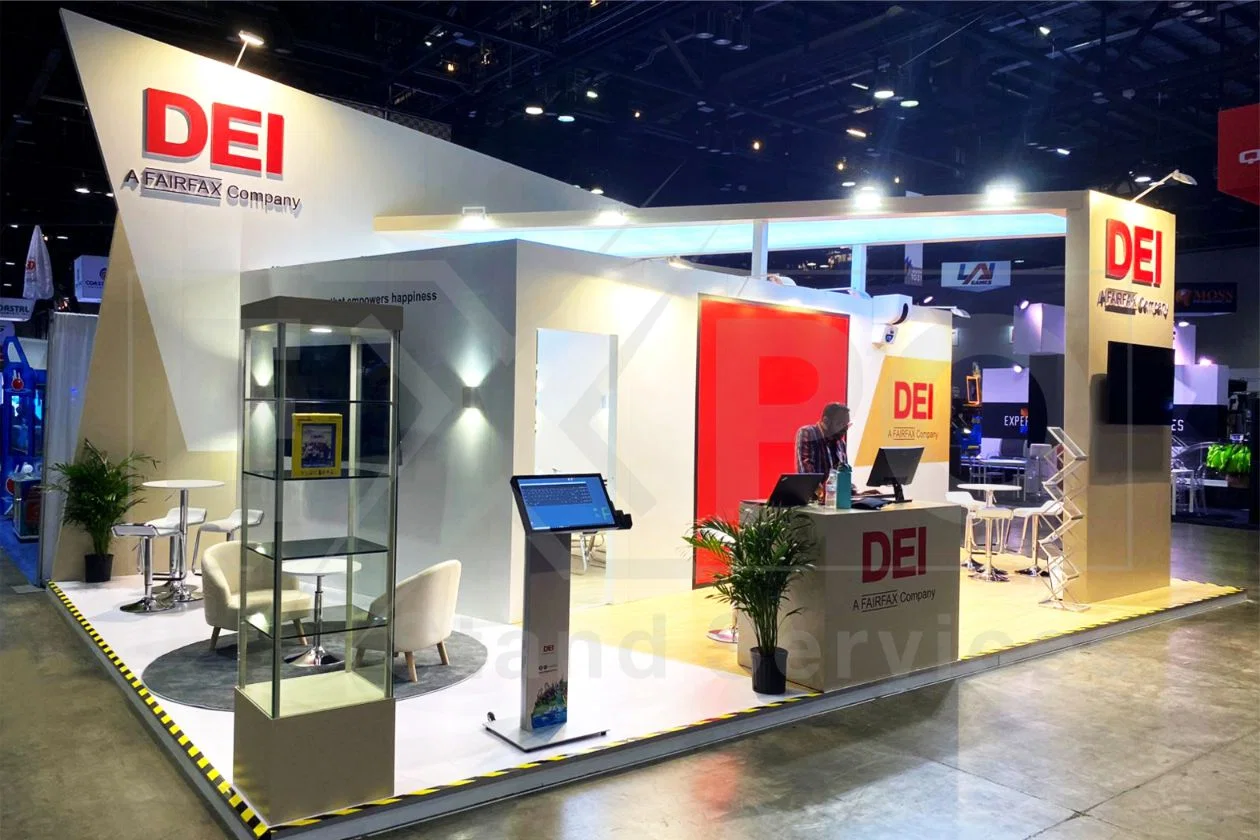
Essential Components of Booth Rental Management
- Inventory selection tailored to booth size and theme requirements
- Venue dock and utility coordination for timely material handling
- Modular component sourcing for flexibility across event scales
- Setup sequencing to integrate with installation timelines
- Dismantle protocols ensuring complete inventory return
- Cost forecasting incorporating rental durations and transport fees
- Compliance verification with service partner and EAC guidelines
Evaluating Booth Rental Specifications
Determining the precise specifications for a rented booth starts with analyzing the assigned space at the venue, such as the expansive exhibit halls at Kay Bailey Hutchison Convention Center Dallas, where booth footprints must adhere to fire safety setbacks and aisle clearances outlined in exhibitor resources. Rental managers assess needs for structural elements like truss systems or tension fabric displays, ensuring they fit within height restrictions and weight limits that impact dock usage. For events at Dallas Market Hall, this evaluation incorporates the hall's configuration for apparel and gift shows, favoring lightweight rentals that facilitate rapid reconfiguration between buyer sessions.
This step involves cross-referencing venue directories and planning guides, such as those for the Fashion Industry Gallery, to select rentals that support fashion runway integrations or boutique-style merchandising without permanent alterations. Power requirements for rented kiosks or video walls draw from utility order protocols at Kay Bailey Hutchison Convention Center Dallas, where exhibitors submit advance forecasts to avoid surcharges. Graphics and branding wraps on rental frames must withstand humidity variations common in Dallas climates, prompting choices in vinyl materials rated for indoor durability over multi-day exposures.
- Standard 10x10 or 20x20 modular kits for inline booths
- Island configurations with overhead rigging compatibility
- Counter-height rentals adjustable for ADA access
- Lighting packages scaled to ambient venue illumination
Aligning Rentals with Venue Infrastructure
Venue infrastructure dictates the feasibility of booth rentals, particularly at Kay Bailey Hutchison Convention Center Dallas, where designated docks handle freight according to strict scheduling to prevent congestion during high-volume move-ins for major conventions. Rental components must be palletized or crated to match these dock protocols, with advance manifests submitted to streamline processing by service partners. Utilities like 208-volt three-phase power, detailed in the center's exhibitor utilities guide, require rented booths to incorporate compatible outlets and cable management to prevent trip hazards across carpeted floors.
Hotel-based venues such as Omni Dallas Hotel and Hyatt Regency Dallas present unique alignments, where ballroom exhibit setups demand rentals that interface with banquet-style layouts and temporary partitioning. Dollies and protective padding become essential for navigating elevators and service corridors, preserving both rental inventory and venue finishes. At Dallas Market Hall, the focus shifts to rentals supporting semi-permanent market weeks, with durable shelving and hanging systems that endure repeated buyer traffic without structural fatigue.
Fashion Industry Gallery events call for boutique-oriented rentals, emphasizing aesthetic versatility in pedestals and mannequins that complement the gallery's open-plan aesthetics while respecting load-bearing specifications for overhead lighting grids.
Sourcing and Customizing Rental Inventory
Sourcing rental inventory requires vetting suppliers capable of delivering components calibrated to DFW venue standards, such as modular walls with integrated leveling feet for the uneven slabs occasionally encountered at older halls like Dallas Market Hall. Customization extends to thematic elements, like branded tension structures for tech expos at Kay Bailey Hutchison Convention Center Dallas, where UV-resistant fabrics ensure longevity under convention center spotlights. Lead times factor in production for custom-printed counter wraps or LED panel integrations, synchronized with dock appointment windows to avoid storage fees.
For hospitality venues like Hyatt Regency Dallas, inventory leans toward elegant millwork rentals mimicking permanent fixtures, complete with lockable storage bases for sample security during networking receptions. The process includes auditing for compliance with exhibitor-appointed contractor services at Kay Bailey Hutchison Convention Center Dallas, ensuring rented truss doesn't exceed certified load capacities. Versatility in connectors and expansion kits allows scalability from 10x20 starters to 20x40 expansions, adapting to last-minute space upgrades without full inventory overhauls.
Inventory tracking via serialized tags facilitates post-event reconciliation, critical for multi-venue tours spanning Irving Convention Center or Gaylord Texan Resort & Convention Center, where rental reuse minimizes costs across DFW circuits.
- Pre-configured kits for 24-48 hour turnarounds
- Interchangeable panels for rebranding efficiency
- Heavy-duty cases for repeated interstate shipping
- Eco-friendly options with recyclable frame alloys
Logistics Planning for Rental Delivery
Logistics planning orchestrates the journey from rental warehouse to venue docks, with routes optimized for DFW's highway network to hit Kay Bailey Hutchison Convention Center Dallas move-in slots amid convention traffic peaks. Carriers must provide lift-gate capabilities for air-ride trailers, protecting fragile glass shelving common in booth rentals for consumer goods shows. Manifests detail weights and hazardous materials, if any, aligning with federal DOT rules and venue security screenings at entrances like those at Omni Dallas Hotel.
Delivery sequencing prioritizes high-dependency items, such as base structures before graphics application, reducing on-site handling at constrained spaces like Fashion Industry Gallery. GPS-enabled tracking mitigates delays from weather or construction on I-35E corridors serving Dallas venues. Post-delivery, rental managers confirm unloading against bills of lading at docks, triggering installation handoff while reserving space for utility hookups.
For extended events at Dallas Market Hall, logistics include mid-show replenishments for consumable rental add-ons like brochure stands, coordinated via service elevators to bypass main exhibit floors.
Setup Integration and On-Site Oversight
On-site setup integrates rented booths with broader exhibit builds, following service partner guidelines at Kay Bailey Hutchison Convention Center Dallas to sequence labor around EAC and GC operations. Rental frames assemble via cam locks and pins for tool-free erection, allowing crews to level against hall slopes before securing counters and headers. Cable runs for rented AV integrate with venue-provided conduits, preventing overloads documented in utility schematics.
Oversight ensures rented flooring overlays conform to carpet tape regulations, with edge ramping for smooth transitions in high-footfall zones at Hyatt Regency Dallas ballrooms. Interactive rental kiosks undergo functionality checks post-assembly, syncing with Wi-Fi access points mapped in venue tech riders. Adjustments for sightlines, such as elevating display pedestals, enhance visibility in island configurations at Dallas Market Hall.
Quality control scans for defects like warped panels, with on-site spares dispatched from regional depots to maintain show timelines without voiding rental agreements.
- Assembly checklists synced to venue move-in grids
- Power audits pre-energization to match amp draws
- Aesthetic alignments for cohesive exhibit rows
Dismantle, Return, and Reporting Protocols
Dismantle protocols reverse setup sequences, prioritizing disconnection of utilities at Kay Bailey Hutchison Convention Center Dallas to free dock access for outgoing freight. Components disassemble into original crates, with protective wrapping reinstalled to guard against dock handling impacts. Inventory audits at tear-down confirm completeness, flagging damages for condition reports that influence future rental deposits.
Returns route via optimized paths avoiding rush-hour snarls on DFW tollways, with carriers providing Proof of Delivery to close logistics loops. Reporting compiles metrics like utilization rates and condition notes, informing refinements for subsequent events at Omni Dallas Hotel or similar. For Fashion Industry Gallery wrap-ups, lightweight rentals expedite palletizing, aligning with venue turnover demands for next-day bookings.
This phase captures lessons on rental durability, such as frame flex under crowd pressures, feeding into sourcing decisions for resilient alternatives in high-impact Dallas shows.
Financial and Risk Management in Rentals
Financial management in booth rentals balances upfront deposits against usage durations, factoring venue-specific surcharges like dock overtime at Kay Bailey Hutchison Convention Center Dallas. Budgets allocate for transport variables, including fuel escalations on long-haul deliveries to Grapevine venues. Negotiations secure volume discounts on modular kits reused across DFW circuits, offsetting custom graphics premiums.
Risk mitigation includes insurance riders for rented assets, covering transit perils and on-site liabilities detailed in exhibitor agreements. Contingency funds address utility overages or expedited returns, preserving margins amid show extensions. Performance audits post-event dissect variances, refining forecasts for precision in competitive bidding scenarios.
Sustainability tracking quantifies recyclable content in rentals, appealing to eco-conscious organizers at Dallas Market Hall trade fairs.
- Tiered pricing models by rental length
- Damage waivers for low-risk inventories
- ROI calculators tying booth metrics to lead gen
Scaling Rentals for Multi-Venue Strategies
Scaling booth rentals for multi-venue strategies in DFW leverages portable inventories across clusters like downtown Dallas and Irving, with core kits adaptable via snap-on facades for brand consistency. Kay Bailey Hutchison Convention Center Dallas serves as anchor for nationals, while Dallas Market Hall handles regional markets, requiring rental pivots in shelving densities. Logistics hubs facilitate swaps, minimizing idle time between Grapevine resort expos and Plano conferences.
Hybrid rentals blend owned assets with supplements, optimizing for venue variances like ceiling heights at Hyatt Regency Dallas versus open-air rigging at Fashion Industry Gallery. Data from prior deployments informs scalability, projecting needs based on attendee projections from planning guides.
This approach maximizes asset utilization, turning the management into a strategic lever for expanded market presence.
Frequently Asked Questions About Booth Rental Management
Q: How do venue docks influence booth rental timelines?
Docks at venues like Kay Bailey Hutchison Convention Center Dallas operate on scheduled appointments, requiring rental deliveries to align precisely to avoid delays in material offloading and subsequent setup phases.
Q: What utility considerations apply to rented booths?
Rented booths must specify power needs in advance per venue guidelines, such as those at Kay Bailey Hutchison Convention Center Dallas, where 120-volt circuits or higher amperage services incur separate orders to support displays and equipment.
Q: Can booth rentals adapt to different DFW venues?
Yes, modular rentals with adjustable components suit varying spaces, from convention center halls like Dallas Market Hall to hotel ballrooms at Omni Dallas Hotel, ensuring compliance with each site's layout rules.
Q: What happens to rentals after the show?
Post-dismantle, inventory undergoes inspection, repacking, and return shipping, with condition reports generated to resolve any claims and prepare for future uses across DFW events.
Q: How is rental inventory customized?
Customization involves tailoring frames, graphics, and add-ons to booth themes and venue specs, such as height limits or flooring interfaces detailed in exhibitor resources.
Q: What risks are managed in booth rental coordination?
Key risks include delivery delays, utility mismatches, and damage during handling, addressed through manifests, audits, and protective protocols aligned with venue service partner standards.