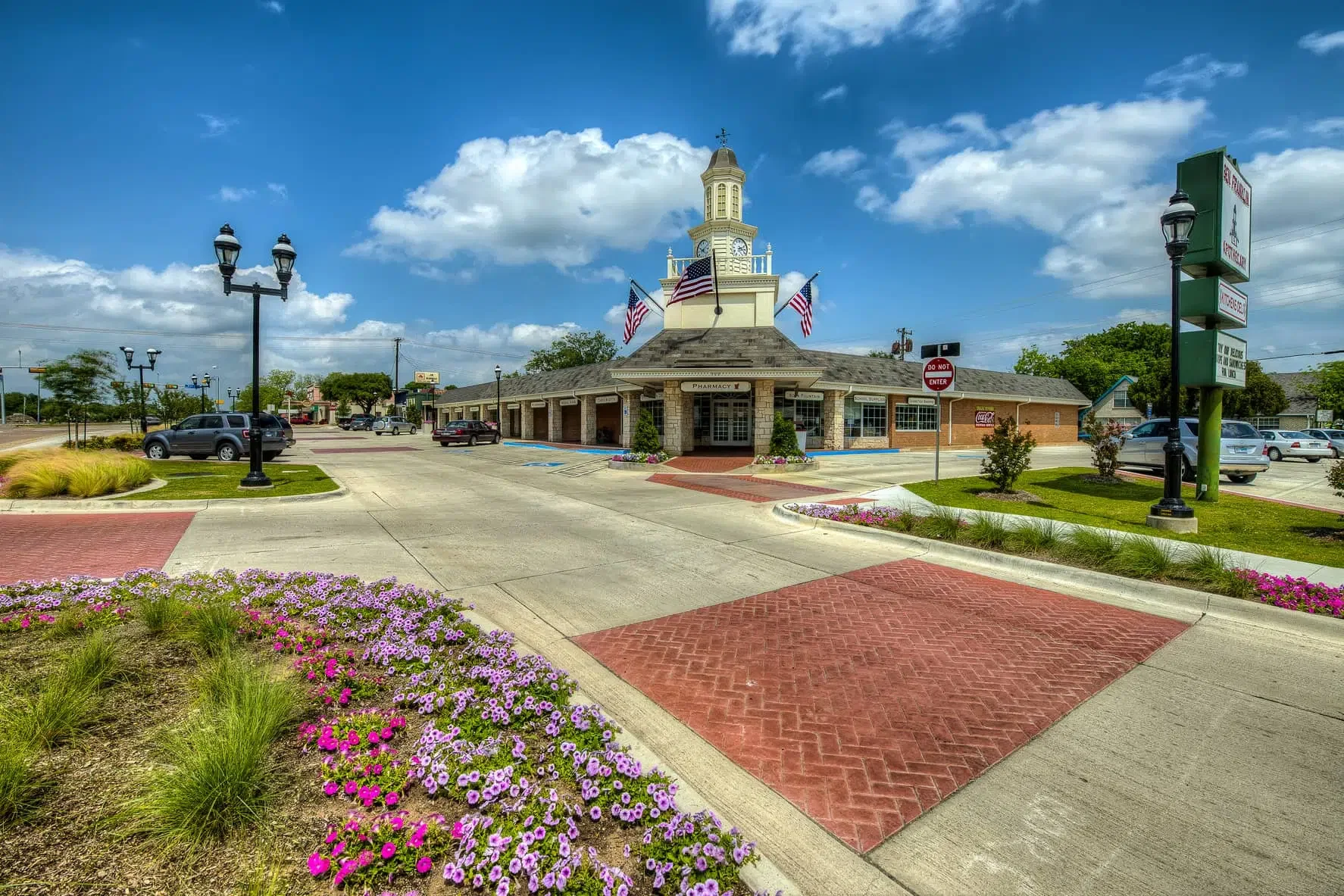
Core Planning Considerations for Duncanville-Area Exhibit Programs
- Differentiation of operational rules across downtown Dallas, Arlington, Irving, and northern suburban venue clusters
- Early alignment with published exhibitor guidelines and utility specifications for each facility
- Selection of modular components that support efficient transport between multiple DFW locations
- Timeline development that accounts for distinct load-in, installation, and dismantle windows
- Integration of branding and graphics optimized for varying lighting and spatial conditions
- Budget frameworks that balance custom elements with reusable systems across event types
- Strategic freight routing that respects venue-specific dock and material handling protocols
Duncanville in the Context of the Regional DFW Exhibition Landscape
As one of numerous suburban nodes feeding the Dallas-Fort Worth meetings market, Duncanville provides a stable platform for companies whose exhibit strategies span multiple venue types. The city shares regional infrastructure patterns with nearby municipalities such as Cedar Hill, DeSoto, and Lancaster, meaning planning principles developed for one southern Dallas County location often transfer effectively to others. This interconnectedness allows organizations to standardize certain elements of their trade show approach while still customizing for the specific demands of individual events.
The broader DFW market is characterized by a mix of large national conventions, targeted industry shows, corporate activations, and consumer-facing events. Official resources from VisitDallas, Arlington Convention and Visitors Bureau, and VisitFrisco document the breadth of these opportunities. Duncanville teams should map their participation goals against this calendar, noting that downtown Dallas tends to host the highest volume of heavy industrial and association events while northern and western clusters support more specialized or experiential programming.
Strategic planning therefore requires treating venue selection as a deliberate component of market strategy rather than a secondary logistical decision. By analyzing the documented characteristics of each cluster early, organizations avoid mismatches between exhibit design and the actual environment where it will be deployed.
Key Operational Details at the Kay Bailey Hutchison Convention Center
The Kay Bailey Hutchison Convention Center functions as the primary anchor for many high-attendance trade shows that attract Duncanville participants. Its exhibitor resources detail structured procedures for material intake, utility connections, and service partner engagement. These guidelines influence initial design decisions, particularly regarding crate sizing, rigging requirements, and electrical specifications that must be addressed during the conceptual phase.
Planning teams benefit from consulting the center’s published information on docks, utilities, and service partners well before fabrication begins. This review helps determine whether a fully custom build, a modular hybrid, or a rental solution best fits both the booth objectives and the facility’s operational constraints. Downtown traffic patterns and hotel proximity also factor into staffing and attendee engagement tactics.
Because the convention center maintains formal relationships with designated service providers, coordination efforts should incorporate these realities into the project timeline. Early integration of these parameters reduces the likelihood of costly adjustments once the show schedule is locked.
- Consult official exhibitor and dock documentation during concept development
- Align utility and rigging plans with center specifications
- Incorporate downtown access considerations into delivery timelines
- Review service partner directories for approved installation support
Arlington Venue Considerations for Experiential and Entertainment Programming
Arlington’s meetings and convention infrastructure centers on venues that support sports, entertainment, and consumer activations. This creates a different operational context compared with traditional downtown convention centers. Booths in this cluster often perform best when designed as experiential destinations rather than static product displays, with emphasis on sight lines, interactivity, and alignment with surrounding event energy.
Planning resources from Arlington.org highlight the importance of understanding each facility’s distinct floor plans, ceiling heights, and material handling rules. Duncanville organizations targeting this market should develop designs that can be installed efficiently within compressed move-in windows common to multi-purpose arenas and entertainment districts.
The differentiation between Arlington and other clusters extends to audience demographics and show duration. These factors influence graphic scale, messaging hierarchy, and the balance between portability and visual impact. Treating Arlington as a distinct planning environment helps ensure the exhibit contributes meaningfully to the specific event environment.
Irving and Airport-Area Corporate Event Coordination
Irving’s proximity to DFW International Airport shapes its role in the regional market, particularly for corporate meetings, association gatherings, and events drawing traveling professionals. The Event Planning Guide for Irving outlines venue options and logistical considerations that favor displays which are sophisticated yet relatively easy to transport and reconfigure.
Exhibits destined for Irving facilities often prioritize rental or modular systems that minimize shipping volume while maintaining premium appearance. This approach aligns with shorter program cycles and the need for rapid setup in hotel ballroom or conference center environments. Coordination planning should reference the documented guidelines to ensure compliance with local fire marshal rules and facility-specific restrictions.
From a Duncanville perspective, routing to Irving involves predictable highway segments that can be factored into advance freight decisions. Integrating airport logistics awareness into the exhibit plan helps prevent bottlenecks and supports smoother material flow across the Southern to Northern corridor.
- Reference Irving’s official event planning resources for venue specifics
- Prioritize systems that reduce freight complexity for corporate programs
- Align graphic packages with professional audience expectations
- Account for airport-adjacent traffic when setting delivery buffers
Northern Suburban Clusters Including Frisco, Plano, and Grapevine
The northern DFW corridor led by Frisco, Plano, and Grapevine has developed into a significant growth area for technology, lifestyle, and sports-related events. Venues in this zone, as catalogued by VisitFrisco.com and related planning materials, often feature modern infrastructure with different rigging points, load capacities, and attendee flow patterns than older downtown facilities.
Exhibit programs spanning both southern and northern clusters benefit from flexible designs that can scale from 10x20 footprints to larger island configurations without requiring complete reconstruction. This versatility becomes particularly valuable when a single campaign includes shows in both the Kay Bailey Hutchison Convention Center and a northern venue within the same quarter.
Planning from Duncanville requires realistic assessment of transit duration to these northern sites. Incorporating buffer time and selecting durable yet lightweight materials helps maintain schedule integrity across the full regional calendar.
Logistics Frameworks and Material Handling Across DFW
Successful multi-venue programs depend on logistics planning that respects the documented procedures of each facility. Sources covering Dallas Market Hall, Fashion Industry Gallery, and the convention center emphasize the importance of accurate advance shipping labels, proper crate documentation, and adherence to published deadlines.
Duncanville organizations should develop a master logistics matrix that identifies the distinct requirements for downtown, airport-adjacent, entertainment, and northern suburban deliveries. This matrix becomes a living document that evolves as additional shows are added to the annual schedule.
Material selection plays a critical role in logistics efficiency. Components that pack densely, resist transit damage, and assemble quickly with standard tools tend to perform best across the varied DFW environment. Coordination with experienced service partners familiar with regional patterns further streamlines this aspect of program execution.
- Create venue-specific freight checklists drawn from official manuals
- Standardize labeling and documentation practices across all shipments
- Select materials that optimize both visual impact and shipping density
- Build realistic transit buffers for each major corridor
Design Strategies for Consistent Performance Across Venue Types
Exhibits that travel effectively throughout DFW share certain characteristics: they begin with the most technically demanding venue requirements and work backward to ensure compatibility elsewhere. This method prevents last-minute modifications when moving between the strict utility rules of the convention center and the more flexible but lighting-intensive environments of entertainment venues.
Graphic packages should be developed in modular formats that can be resized or reoriented depending on booth footprint and ceiling height. Lighting integration must account for the different ambient conditions documented at each cluster, from the controlled environments of conference halls to the brighter, more dynamic spaces in Arlington and Frisco.
Storage and refurbishment considerations also influence initial design. Systems engineered for repeated assembly and disassembly by teams operating under standard regional practices deliver better long-term value and maintain appearance throughout an extended market campaign.
Building a Unified DFW Exhibit Calendar and Measurement Framework
Duncanville organizations achieve stronger returns when individual events are viewed as components of a larger regional presence. A unified calendar that sequences shows across complementary clusters allows for strategic reuse of core exhibit elements while refreshing graphics or adding targeted activations as needed.
Measurement frameworks should capture both quantitative metrics such as lead volume and qualitative observations about booth performance under different venue conditions. These insights, gathered across downtown, Arlington, Irving, and northern events, inform future design iterations and budget allocations.
The planning process ultimately focuses on alignment: between brand objectives and venue audience, between design choices and documented facility rules, and between logistical realities and strategic market goals. When these elements are coordinated thoughtfully, Duncanville-based teams can participate confidently across the full DFW exhibition spectrum.
- Sequence events to maximize reuse of core structural components
- Track performance metrics specific to each venue cluster
- Schedule design reviews after every three to four events
- Maintain a living master plan that evolves with new venue information
Planning Questions for Duncanville Trade Show Participation
Q: How does Duncanville fit into DFW trade show planning?
Duncanville serves as a suburban base within southern Dallas County that connects to the primary venue clusters across the metroplex. Planning focuses on aligning exhibit strategies with the distinct operational requirements of downtown Dallas, Arlington, Irving, Frisco, and other documented market areas.
Q: What are the main differences between DFW venue clusters?
Downtown Dallas facilities emphasize structured dock, utility, and service partner protocols. Arlington venues favor experiential designs tied to entertainment audiences. Irving prioritizes corporate efficiency near the airport, while northern clusters in Frisco and Plano support technology and lifestyle events with newer infrastructure.
Q: When should exhibit planning begin for major DFW events?
Complex programs targeting flagship venues such as the Kay Bailey Hutchison Convention Center typically require several months of advance coordination to incorporate published exhibitor guidelines, select appropriate systems, and align logistics across the intended schedule.
Q: Are modular or custom exhibits more suitable for Duncanville organizations?
Modular and hybrid systems often provide the best balance of flexibility, transport efficiency, and brand consistency when participating across multiple differentiated venue clusters throughout the Dallas-Fort Worth region.
Q: How should logistics be coordinated for multiple DFW venues?
Develop a matrix that references each venue’s official freight, dock, and material handling documentation. Standardize labeling practices and incorporate realistic transit buffers that respect the distinct highway corridors connecting Duncanville to each cluster.
Q: What role do official planning guides play in preparation?
Resources from VisitDallas, Arlington.org, VisitFrisco, and convention center websites supply authoritative details on exhibitor rules, service partners, and operational parameters that must inform every stage of booth concept, fabrication, and scheduling.