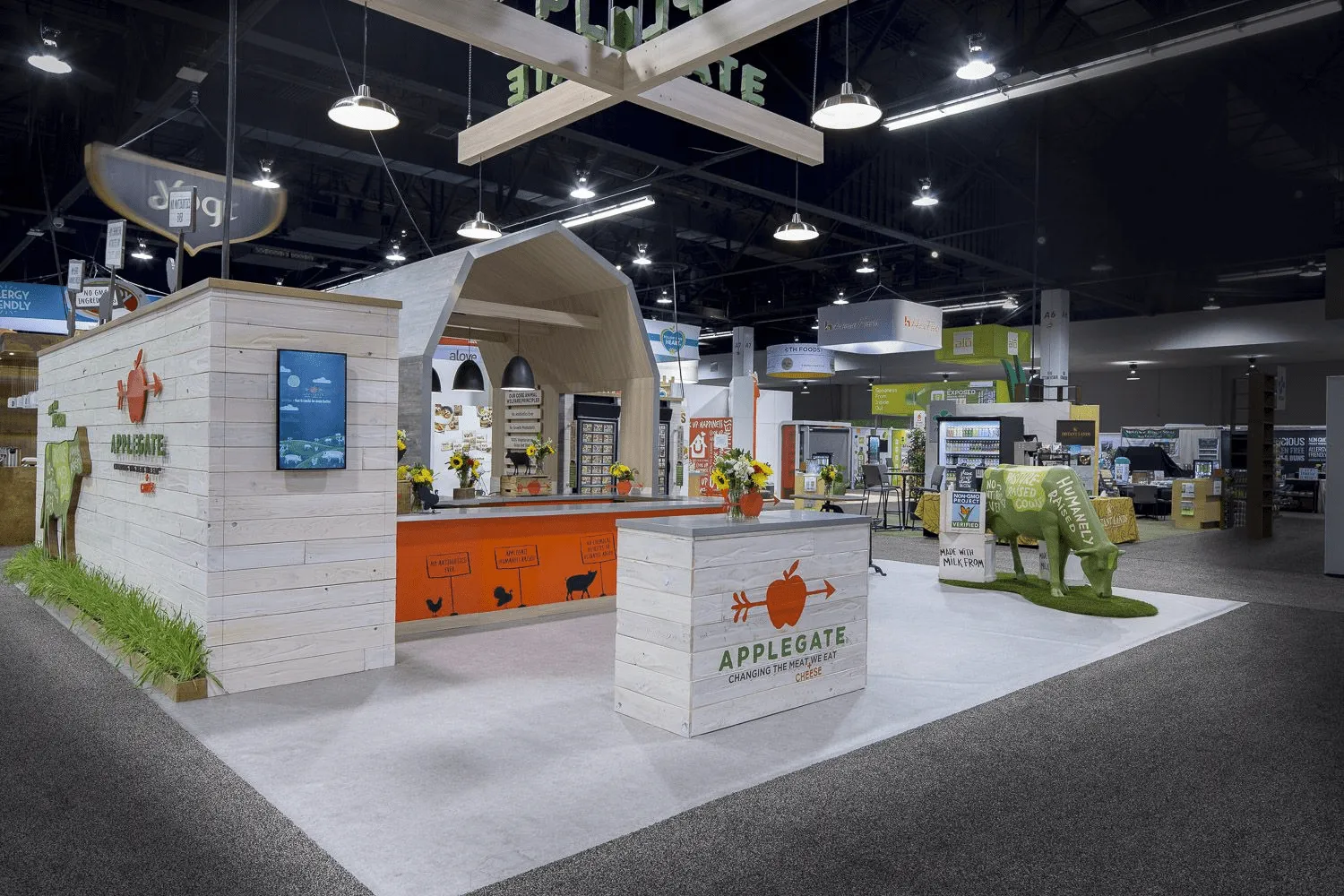
Essential Coordination Pillars for Pop-Up Deployments
- Aligning venue docking protocols with compact freight timelines
- Securing utility provisions ahead of tight activation windows
- Integrating approved service partners for compliant executions
- Customizing spatial layouts to match pop-up scale and theme
- Synchronizing multi-day operations with convention calendars
- Optimizing teardown sequences for venue turnover efficiency
- Leveraging adjacent hotel facilities for extended pop-up flows
Venue Selection Strategies Across DFW Clusters
Choosing the appropriate venue cluster profoundly influences the success of a pop-up event in the Dallas-Fort Worth region, where the Dallas venues group centered around the Kay Bailey Hutchison Convention Center Dallas anchors large-scale activations with its million-plus square feet of exhibit space, enabling pop-ups to integrate into high-density convention environments without permanent fixtures. Nearby, the Dallas Market Hall complements this with dedicated trade floors that host recurring markets, ideal for pop-ups syncing with apparel, gift, and lighting shows where temporary booths can draw from established buyer traffic. The Fashion Industry Gallery adds a curated dimension, its street-level accessibility and flexible gallery zones suiting fashion-forward pop-ups that require visual merchandising within a compact footprint.
Hotel-integrated options like the Omni Dallas Hotel and Hyatt Regency Dallas introduce ballroom and pre-function areas proximate to convention action, allowing pop-ups to extend brand narratives into hospitality flows while coordinating with primary exhibit halls. In peripheral clusters, the Irving Convention Center at Las Colinas offers suburban scale with ample parking and ingress points, facilitating pop-ups less constrained by urban density, whereas the Gaylord Texan Resort & Convention Center in Grapevine provides resort-style immersion for experiential pop-ups blending entertainment with commerce.
Load-In Logistics at Key Convention Facilities
Efficient load-in forms the backbone of pop-up viability, particularly at the Kay Bailey Hutchison Convention Center Dallas, where dedicated docks manage high-volume freight ingress through multiple bay assignments tailored to exhibit scales, ensuring pop-up materials bypass main thoroughfares during peak convention hours. Planners must anticipate advance scheduling for dock access, aligning compact shipments with venue windows that prioritize larger builds but accommodate agile pop-up timelines, often compressing delivery into off-peak slots to maintain event momentum.
Dallas Market Hall streamlines this process via its market-oriented loading zones, optimized for frequent turnovers that mirror pop-up cadences, while the Fashion Industry Gallery employs curbside and elevator access for lighter payloads, minimizing rigging needs. Irving Convention Center at Las Colinas extends similar efficiencies with its Las Colinas boulevard proximity, enabling truck maneuvering without downtown congestion, all coordinated to prevent bottlenecks in multi-event days.
- Dock reservation protocols at KBHCC require 30-day advance notice
- Market Hall prioritizes freight during inter-market gaps
- Gallery access favors pallet jacks over forklifts for agility
Utility and Power Infrastructure Alignment
Pop-up events necessitate precise utility forecasting to power interactive elements like digital screens and lighting arrays, with the Kay Bailey Hutchison Convention Center Dallas mandating orders through designated providers for electrical, telecom, and plumbing services delivered directly to booth demarcations. This involves calculating amperage based on pop-up footprint—typically 20-100 amps for standard activations—and submitting diagrams weeks prior to avoid surcharge penalties or service gaps during live operations.
Hyatt Regency Dallas and Omni Dallas Hotel mirror this with in-house AV/IT teams handling ballroom power drops, suiting pop-ups in pre-function zones where cable management integrates with carpeted floors. Dallas Market Hall utilities support market-standard hookups, facilitating quick connects for vendor pop-ups, while Fashion Industry Gallery provisions focus on basic 110V outlets augmented by generator options for high-draw displays.
Grapevine and Irving venues like Gaylord Texan extend comprehensive packages, including Wi-Fi zoning critical for app-driven pop-ups, ensuring connectivity across sprawling resort layouts without wired dependencies.
Service Partner Integration for Compliance
Venue-approved service partners are pivotal for pop-up legitimacy, as seen at the Kay Bailey Hutchison Convention Center Dallas, where exhibitors must designate official contractors from the published directory for rigging, electrical, and cleaning to uphold safety and liability standards. This coordination extends to pop-ups by channeling specialized tasks through vetted firms, preventing unauthorized work that could void insurance or delay approvals.
Dallas Market Hall and Fashion Industry Gallery operate under similar vendor registries tailored to trade cycles, streamlining pop-up integrations via pre-qualified audiovisual and fabrication specialists. Hotels such as Omni Dallas Hotel require alignment with their banquet teams for any structural modifications, ensuring pop-ups adhere to fire marshal inspections without custom permitting hurdles.
- KBHCC lists include DEC for general contracting
- Market Hall partners focus on trade-specific AV rigs
- Hotel services bundle utilities with labor
Setup and Activation Timeline Mastery
Pop-up timelines compress traditional exhibit builds into 4-24 hour windows, demanding rehearsals at venues like the Kay Bailey Hutchison Convention Center Dallas where move-in slots align with convention lulls, allowing teams to erect modular structures, install graphics, and test interactives before doors open. This phase incorporates venue walkthroughs to verify sightlines and flow, adjusting for pillar obstructions or HVAC vents common in legacy halls.
Dallas Market Hall accelerates this with market-prepped floors, enabling same-day setups for pop-ups riding wave of buyer previews, while Fashion Industry Gallery's open layouts permit overnight configurations blending retail fixtures with event zoning. Irving Convention Center at Las Colinas offers extended build days in its coliseum-adjacent spaces, suiting pop-ups with vehicle displays or outdoor extensions.
Strike and Venue Turnover Protocols
Post-activation strikes at Kay Bailey Hutchison Convention Center Dallas enforce strict move-out deadlines, typically 8-12 hours post-close, routing debris and empties through the same docks used for ingress to clear spaces for subsequent events. Pop-up coordinators prioritize demountable designs that dismantle without residue, coordinating vacuum services via approved partners to meet sweep standards.
Omni Dallas Hotel and Hyatt Regency Dallas facilitate swift resets in ballrooms, often overlapping with housekeeping rotations, while Dallas Market Hall leverages inter-market gaps for full turnovers. Fashion Industry Gallery emphasizes lightweight strikes preserving gallery aesthetics, aligning with its ongoing curation.
- KBHCC penalties apply for overtime holds
- Hotels reset floors within shift cycles
Hybrid Pop-Up Expansions in Hotel Venues
Extending pop-ups into convention hotels like Omni Dallas Hotel unlocks lobby and terrace activations, where pre-function areas adjacent to the Kay Bailey Hutchison Convention Center Dallas enable smooth attendee transitions from exhibit floors to branded experiences. Utility tie-ins here supplement hall power with dedicated circuits, supporting extended hours beyond convention close.
Hyatt Regency Dallas similarly positions its facilities for overflow pop-ups, coordinating with downtown walkability to draw from multiple venue clusters without shuttle dependencies, enhancing dwell time through integrated catering and AV flows.
Frequently Asked Questions on DFW Pop-Up Coordination
Q: What venues in Dallas suit small-scale pop-ups?
The Fashion Industry Gallery and pre-function spaces at Omni Dallas Hotel provide ideal compact layouts for targeted activations, with easy access and minimal rigging needs.
Q: How do docking procedures work at KBHCC for pop-ups?
Kay Bailey Hutchison Convention Center Dallas assigns dock times via advance reservations, prioritizing efficient freight handling for short-term setups amid convention schedules.
Q: What utilities are essential for interactive pop-ups?
Electrical services from 20 amps upward, telecom for Wi-Fi, and AV drops are standard at venues like Dallas Market Hall and Irving Convention Center, ordered per booth diagrams.
Q: Can pop-ups integrate with hotel ballrooms?
Yes, Hyatt Regency Dallas and Omni Dallas Hotel offer ballroom configurations proximate to convention centers, supporting hybrid flows with bundled services.
Q: What are strike timelines for DFW venues?
Most enforce 8-12 hour move-outs, like at Kay Bailey Hutchison Convention Center Dallas, to facilitate rapid turnovers for chained events.
Q: How to select service partners?
Use venue directories such as those at KBHCC to designate approved contractors for compliance in rigging, power, and cleanup.