Core Planning Considerations for Denton Exhibitors
- DFW venue cluster differentiation
- Service partner and utilities alignment
- Dock and freight scheduling fundamentals
- Custom design tailored to regional shows
- Logistics bridging northern suburbs to venues
- Distinct operational contexts across Arlington, Frisco, and Irving
Denton’s Position in the Broader DFW Exhibition Ecosystem
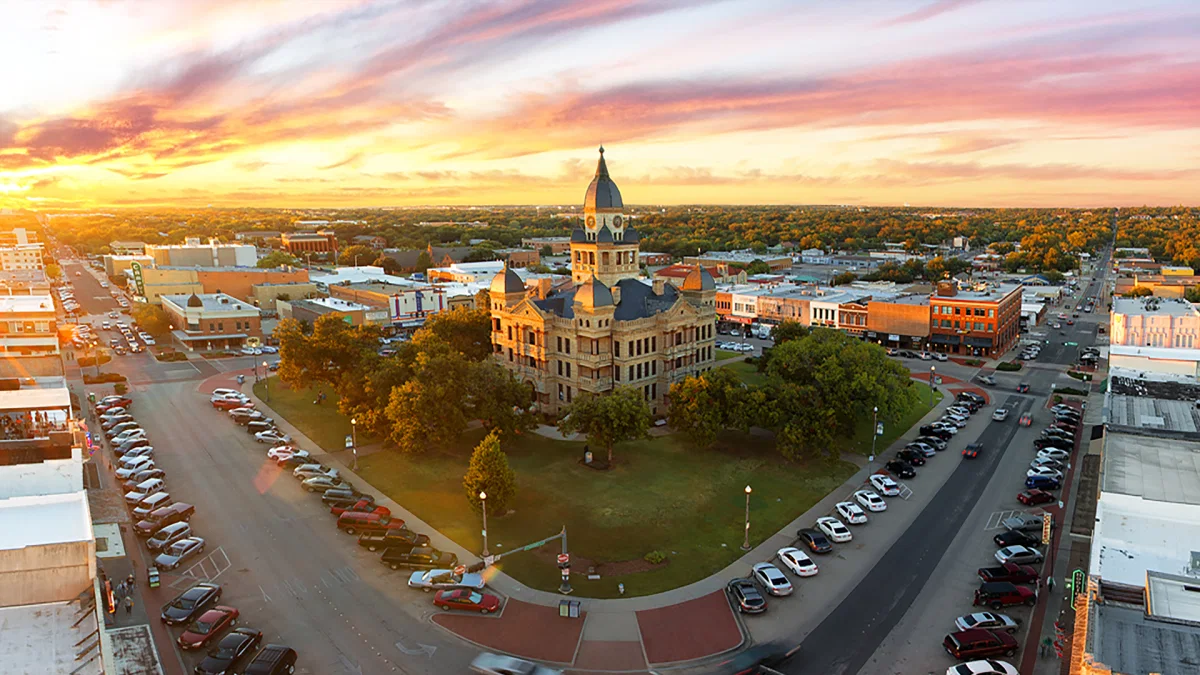
The Dallas-Fort Worth region maintains one of the most active convention calendars in the United States, with corridors that support shows ranging from industry-specific trade exhibitions to large-scale conferences. Denton serves as a northern access point within this network, enabling organizations to reach events at primary venues while benefiting from suburban operational efficiencies. Planning resources help translate this geography into practical execution strategies that account for traffic patterns, venue load-in timelines, and audience demographics unique to each cluster.
Successful participation begins with mapping specific event goals against the distinct environments offered by downtown Dallas, Fort Worth, Arlington, Irving, Plano, Frisco, and Grapevine. Each area presents different attendee profiles and facility capabilities. Coordination that respects these differences allows Denton-based teams to select the most appropriate platforms for their products or services rather than defaulting to generic approaches.
Authoritative guidance focuses on translating venue documentation into actionable plans. This includes early review of exhibitor manuals, alignment with published service offerings, and scheduling that prevents conflicts during peak move-in periods at high-volume facilities.
Navigating Distinct Venue Clusters Across DFW
The DFW market is best understood as a collection of differentiated clusters rather than a single uniform destination. Downtown Dallas, led by major convention infrastructure, supports expansive national events with comprehensive utility and service ecosystems. In contrast, Arlington emphasizes programming that leverages adjacent sports and entertainment districts, creating opportunities for experiential activations that differ in scale and technical demands.
Irving, Frisco, and Grapevine each maintain separate operational contexts documented in regional planning materials. Frisco venues, for instance, cater to corporate and association meetings with modern amenities, while Irving’s resources frequently address hospitality-adjacent events. Plano and Fort Worth add further variety, requiring planners to adjust booth footprints, audiovisual requirements, and staffing models accordingly.
For Denton exhibitors, recognizing these distinctions prevents mismatched expectations. Coordination involves cross-referencing event calendars with facility specifications so that custom elements arrive configured for the correct ceiling heights, floor loads, and access restrictions at each location.
- Downtown Dallas: large-scale convention infrastructure
- Frisco and Irving: targeted corporate and hospitality nodes
- Supporting halls for specialized industry segments
Preparation Specific to the Kay Bailey Hutchison Convention Center
The Kay Bailey Hutchison Convention Center remains a cornerstone for high-volume trade shows in the DFW region. Official exhibitor resources outline clear expectations covering registration, badge policies, and move-in procedures that form the foundation of successful participation. Early consultation of these materials allows Denton planners to build timelines that accommodate both transportation from northern locations and on-site setup requirements.
Service partner directories published by the center identify approved providers for rigging, electrical, internet, and other essential functions. Aligning orders with these listings helps maintain compliance while avoiding unauthorized vendor complications. Similarly, utilities documentation details electrical capacities, plumbing connections, and data requirements that must be specified during the planning phase to prevent mid-show disruptions.
Dock and loading procedures receive particular attention in center guidelines. These include designated arrival windows, height and weight restrictions, and scheduling protocols that coordinate multiple exhibitors during compressed move-in periods. Thorough preparation in these areas supports smoother installation sequences and reduces the risk of unexpected delays at one of the market’s busiest facilities.
- Consult official exhibitor expectation guides
- Utilize listed service partners for specialized tasks
- Specify utilities according to published specifications
- Adhere to dock scheduling and dimensional requirements
Logistics Coordination for Northern Suburban Origins
Exhibits traveling from Denton to DFW venues require deliberate freight and transportation planning to align with each facility’s unique receiving protocols. This includes selecting carriers experienced with convention center environments and confirming that all materials meet advance shipping deadlines published by the venues. Such attention to sequencing helps ensure components arrive in the correct order for efficient assembly.
Coordination extends beyond initial delivery to encompass storage options between related events and return shipping arrangements after dismantle. By integrating these elements into a single operational plan, Denton organizations avoid fragmented vendor relationships and maintain visibility across the entire material lifecycle.
Venue-specific nuances, such as Dallas Market Hall’s consumer show orientation or the Fashion Industry Gallery’s design-focused layout, further influence logistics decisions. Planners must account for differences in dock configurations, staging areas, and dismantle timelines when building comprehensive schedules.
Custom Exhibit Design Within DFW Operational Parameters
Effective booth concepts for the DFW market balance creative expression with strict adherence to venue regulations. Designs intended for the Kay Bailey Hutchison Convention Center must accommodate its utility grids and aisle specifications, while exhibits for Frisco or Arlington venues may prioritize different traffic flows and lighting conditions. Professional planning translates these constraints into solutions that enhance rather than hinder brand presentation.
Modular systems offer flexibility for companies participating in multiple clusters throughout the year, allowing reconfiguration without complete rebuilds. Custom elements, when justified by show objectives, incorporate graphics, interactive components, and structural features that comply with local fire codes and accessibility standards documented across DFW facilities.
The planning process incorporates advance measurement against floor plans available from each venue. This prevents on-site modifications and ensures that every element contributes to measurable outcomes such as lead generation or product demonstration efficiency.
- Align designs with individual venue floor plans
- Incorporate modular elements for multi-cluster use
- Integrate technology within documented utility limits
Supporting Venues and Specialized Event Resources
In addition to the primary convention center, the DFW region includes targeted facilities that serve niche markets and mid-sized gatherings. Dallas Market Hall hosts a range of trade and consumer events with operational characteristics distinct from downtown convention programming. The Fashion Industry Gallery provides an intimate setting optimized for apparel and design showcases, requiring scaled booth approaches and specialized lighting coordination.
Regional planning guides for Irving and Arlington further detail venue options that complement larger facilities. These resources highlight meeting room configurations, audiovisual capabilities, and exhibitor support services that influence planning decisions. Frisco’s venues, as presented in official meeting materials, emphasize contemporary design and accessibility that appeal to technology and professional service exhibitors.
Comprehensive coordination evaluates all options against program goals. This includes comparing setup timelines, service availability, and audience profiles so that Denton organizations select environments most likely to deliver desired return on investment.
Optimizing Outcomes Through Structured Planning
Trade show success in the DFW market extends beyond physical booth presence to encompass pre-event strategy and post-event measurement. Coordination resources help establish clear objectives, select appropriate metrics, and schedule follow-up activities that convert exhibit contacts into tangible business results. This disciplined approach is particularly valuable for organizations based in Denton that balance local operations with regional exhibition calendars.
Budget planning incorporates early ordering deadlines for utilities and services at facilities like the Omni Dallas Hotel and the Kay Bailey Hutchison Convention Center to avoid peak-period premiums. Similarly, understanding published dock and labor windows supports accurate forecasting of installation costs and timelines.
Continuous reference to official venue documentation ensures that plans remain current with any updates to service partner lists, utility specifications, or procedural requirements. This vigilance forms the backbone of reliable execution across repeated participations in the metroplex.
Common Questions on DFW Trade Show Planning for Denton Exhibitors
Q: Which DFW venues are most relevant for companies based in Denton?
Primary options include the Kay Bailey Hutchison Convention Center for large-scale events, along with facilities in Arlington, Irving, Frisco, Plano, Fort Worth, Dallas Market Hall, and the Fashion Industry Gallery. Each offers distinct audience profiles and operational requirements that should be matched to specific exhibition goals.
Q: What resources should be reviewed before exhibiting at the Kay Bailey Hutchison Convention Center?
Exhibitors should consult the center’s official pages covering what to expect, approved service partners, utilities specifications, and dock procedures. These materials provide venue-specific protocols essential for compliant and efficient setup.
Q: Why is advance coordination important for logistics from Denton?
Early planning aligns freight schedules with published move-in windows, confirms utility orders according to venue documentation, and prevents conflicts at loading docks. This preparation reduces delays and ensures materials integrate smoothly with approved service partners.
Q: What role do service partners play in DFW exhibitions?
Venues such as the Kay Bailey Hutchison Convention Center maintain directories of approved service partners for electrical, rigging, internet, and related services. Utilizing these providers ensures compliance with facility regulations and supports smooth event execution.
Q: How can Denton organizations maximize ROI at regional trade shows?
Structured planning that incorporates venue-specific preparation, targeted booth design, accurate budgeting against published rates, and post-event metrics helps convert exhibit activity into measurable business outcomes across the differentiated DFW market.