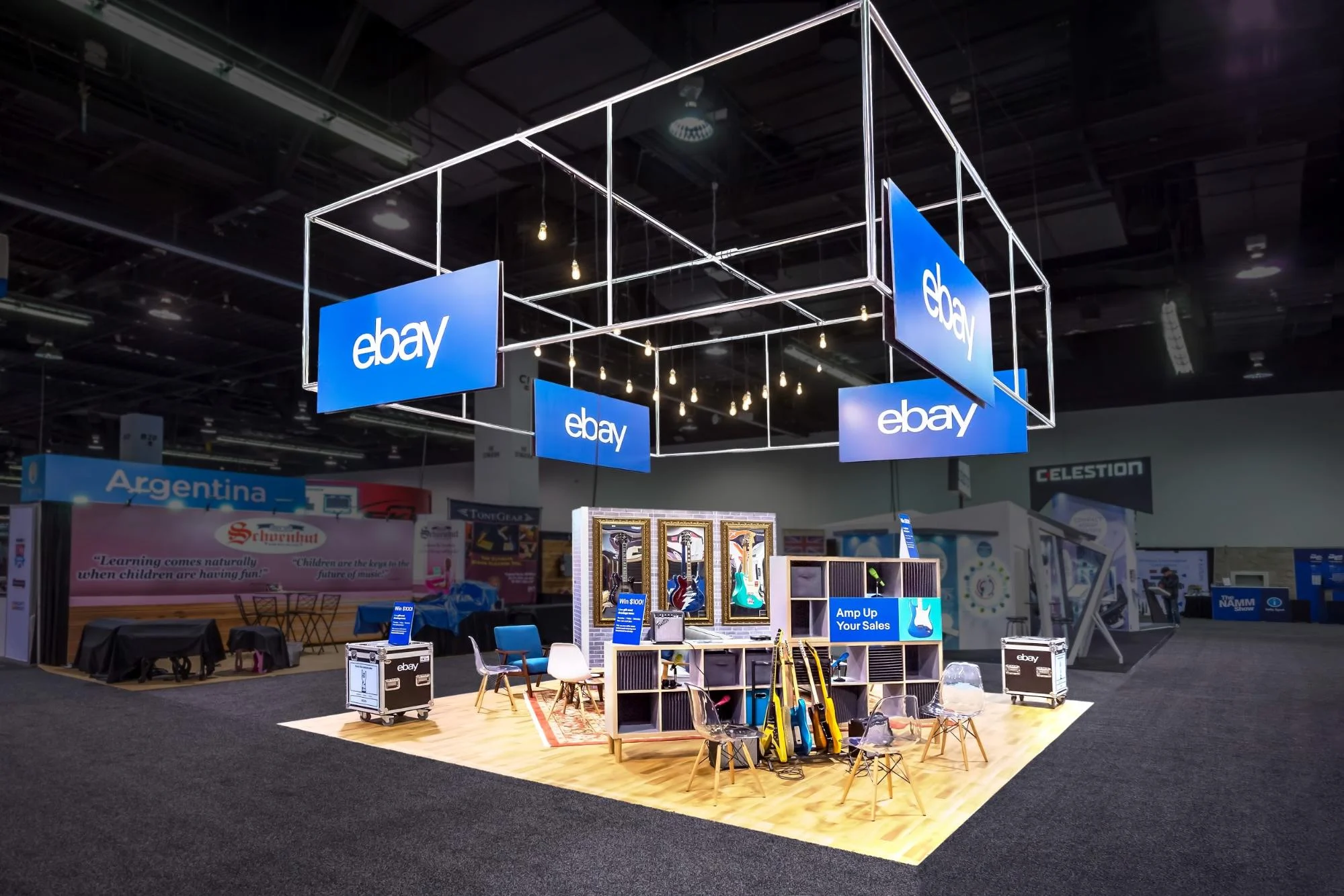
Essential Planning Pillars for User Conference Success
- Venue capacity alignment for keynote halls and expo floors accommodating 5,000+ attendees
- Dock and freight scheduling at convention centers like Kay Bailey Hutchison for timely exhibit builds
- Utility provisioning for high-power tech demos, including dedicated circuits at Dallas venues
- Service partner orchestration for rigging, lighting, and AV across multi-day formats
- Modular space configurations supporting workshops, networking lounges, and sponsor villages
- Integrated logistics from airport proximity to on-venue marshalling for exhibitor efficiency
- Post-event debrief integration with move-out protocols to minimize dwell times
Strategic Venue Selection for User Conference Scale
Selecting the right venue sets the foundation for user conference impact, with Dallas-Fort Worth offering diverse options calibrated to attendee volumes and agenda intensity. The Kay Bailey Hutchison Convention Center Dallas stands out for its multi-hall setup, where organizers map keynote theaters to exhibit halls via dedicated service corridors, facilitating smooth transitions between general sessions and hands-on labs. Planners evaluate total square footage against projected booth footprints and session room needs, ensuring compliance with exhibitor guidelines that outline dock priorities for larger freight loads typical in tech user events.
Hotels like Omni Dallas Hotel and Hyatt Regency Dallas integrate convention services with guest accommodations, ideal for conferences blending education with hospitality. These properties feature pre-function areas for registration flows and breakout pods, with planners coordinating ballroom divisions to host parallel tracks on API integrations or user feedback forums. Suburban venues such as Irving Convention Center at Las Colinas provide elevated load-in bays, streamlining exhibit arrivals for events drawing Midwest and Southern user bases, while Grapevine’s Gaylord Texan Resort & Convention Center offers resort-style expansions for welcome receptions extending into evening networking.
Dallas Market Hall and Fashion Industry Gallery cater to mid-scale user conferences emphasizing creative layouts, where coordinators block exhibit zones around natural light wells and adjacent demo theaters. Advance site visits confirm adjacency to power panels and HVAC zoning, critical for sustained VR sessions or live coding workshops that demand consistent environmental controls across peak hours.
Exhibit and Demo Zone Logistics Coordination
User conferences thrive on interactive expo floors where sponsors showcase updates and users test features, requiring precise coordination of booth configurations within venue constraints. At Kay Bailey Hutchison Convention Center Dallas, planners schedule dock access through centralized freight windows, prioritizing high-cube shipments for immersive demo pods that include touchscreens and server racks. Service partners handle permitting for booth elevations and canopy structures, ensuring pathways remain clear for attendee navigation during peak traffic between sessions.
Dallas Market Hall’s open-span design supports fluid exhibit villages, with coordinators plotting power drops per linear foot to fuel multi-station user challenges and gamified product trials. Fashion Industry Gallery’s gallery-style flooring accommodates boutique demo setups, where advance utility audits prevent overloads from clustered charging hubs for attendee devices. In hotel venues like Sheraton Dallas Hotel, exhibit spaces adjoin ballrooms, allowing smooth flow from product reveals to hands-on clinics, with logistics teams sequencing crane placements for overhead branding elements.
Irving and Grapevine venues emphasize early freight manifests to align with limited dock queues, enabling user conference organizers to stage sponsor activations without delaying keynote starts. Planners integrate carpet plans with fire lane setbacks, optimizing density for high-engagement zones like API hackathons or partner pavilions that anchor the expo experience.
- Freight advance coordination via venue portals
- Power grid mapping for tech-intensive booths
- Pathway clearances for wheelchair-accessible demos
Technical Infrastructure and AV Integration
Robust technical setups underpin user conference agendas, from live-streamed keynotes to real-time polling across session rooms. Kay Bailey Hutchison Convention Center Dallas provides exhibitor utilities including multi-phase power and fiber runs, which planners allocate to main stages and satellite AV closets for hybrid attendee support. Coordination with service partners ensures catwalk rigging for lighting trusses, suspending projectors and LED walls that frame CEO announcements on platform roadmaps.
Omni Dallas Hotel and Hyatt Regency Dallas offer in-house AV teams for ballroom fiber patching, streamlining integration of audience response systems and wireless mics for Q&A segments. Planners forecast bandwidth for concurrent streams, tying venue Wi-Fi boosts to expo demo uplinks that handle user-uploaded content during feedback booths. Dallas Market Hall’s neutral AV bays facilitate custom console placements, supporting multi-camera switches for workshop captures shared post-event.
Suburban facilities like Gaylord Texan Resort & Convention Center incorporate redundant power feeds for 24/7 tech support, vital for overnight badge printing and app syncing. Advance load tests confirm signal strength across exhibit spans, preventing dropouts in mobile app-driven scavenger hunts or virtual user meetups.
Session Room and Networking Space Optimization
Multi-track session rooms form the educational core of user conferences, with DFW venues enabling flexible partitioning for topics from beginner tutorials to advanced integrations. Kay Bailey Hutchison Convention Center Dallas’s meeting room clusters adjoin exhibit halls, allowing planners to sequence room turns with minimal reset times via rolling AV carts and preset lighting cues. Coordinators map capacities to track sizes, reserving larger theaters for roadmap unveils and smaller studios for certification exams.
Hyatt Regency Dallas and Fairmont Dallas provide divisible ballrooms with acoustical drapes, ideal for parallel paths on ecosystem partners and customization panels. Networking lounges in pre-function foyers host lounge-style setups with charging stations and QR-linked directories, planned to overflow into exhibit aisles during breaks. Irving Convention Center at Las Colinas’s tiered auditoriums support sloped viewing for code-along sessions, with logistics ensuring podium tech aligns with user-submitted slide decks.
Fashion Industry Gallery’s intimate galleries suit roundtable formats, where circular seating fosters peer discussions on beta features. Planners coordinate HVAC zoning to maintain comfort during extended Q&A, integrating lounge flows with catered refreshment stations timed to session endings.
- Room turn protocols with preset AV configs
- Capacity matching for track popularity
- Lounge adjacency to high-traffic expo paths
Load-In, Event Flow, and Move-Out Protocols
Smooth transitions define user conference operations, starting with phased load-ins at venue docks. Kay Bailey Hutchison Convention Center Dallas mandates advance dock reservations, where planners stagger exhibitor arrivals to align booth builds with session room preps, utilizing service elevators for upper-level deliveries. Exhibit teams follow union guidelines for rigging installs, completing overheads before floor traffic ramps up for preview nights.
During event days, coordinators monitor flow from registration to closing keynotes, adjusting barriers for surge management at popular demo islands. Omni Dallas Hotel’s street-level entries facilitate badge pickups, with internal marshaling directing groups to tracks without expo congestion. Post-event move-outs at Dallas Market Hall leverage extended windows, enabling pallet jack sequencing for deconstructs that wrap by midnight.
Grapevine and Irving venues offer after-hours docks for dismantle, minimizing next-day conflicts. Planners compile final freight lists incorporating giveaways and demo gear, ensuring clean handoffs to carriers for nationwide user shipments.
Sustainability and Compliance in User Conference Execution
Modern user conferences incorporate green practices aligned with venue policies, such as recycling stations at Kay Bailey Hutchison Convention Center Dallas exhibit halls. Planners specify reusable booth framing and digital signage to cut waste, coordinating with service partners for pallet recycling Post Move Out. Energy-efficient LED uplighting meets utility specs, reducing draw during all-day activations.
Hotels like Hilton Anatole promote water refill hubs in networking zones, integrated into lounge designs for badge-holding attendees. Advance audits confirm compliance with exhibitor fire codes, including setback distances for fabric graphics and pyrotechnic-free demos. Dallas Market Hall’s open ventilation supports low-VOC materials, enhancing air quality for indoor user challenges.
Regional venues emphasize carpool incentives via app integrations, tying into DFW’s airport shuttles for reduced emissions. Coordinators document sustainability metrics for post-event reports, bolstering brand narratives around responsible tech gatherings.
- Recyclable exhibit materials per venue specs
- Digital collateral to minimize print volumes
- Energy audits for AV and lighting loads
Frequently Asked Questions on User Conference Services
Q: What makes Kay Bailey Hutchison Convention Center Dallas suitable for user conferences?
Its expansive halls and dedicated exhibitor docks support large-scale expos with demo zones, utilities for tech setups, and service partners for rigging, ideal for multi-day tech user events.
Q: How do hotel venues like Omni Dallas enhance user conference experiences?
They combine convention ballrooms with guest rooms, enabling integrated agendas from keynotes to receptions, with pre-function spaces for registration and networking lounges.
Q: What logistics should planners prioritize for Dallas Market Hall user conferences?
Open-span exhibit areas require power grid planning for demo stations, with flexible layouts for sponsor villages and adjacent theaters for workshop overflows.
Q: Can suburban DFW venues like Irving Convention Center handle high-attendance user events?
Yes, with accessible docks, tiered auditoriums, and space for exhibit builds, supporting regional draw without downtown congestion.
Q: How is technical infrastructure coordinated across DFW user conference venues?
Through utility provisioning like fiber and power at Kay Bailey Hutchison, plus AV integrations at hotels, ensuring bandwidth for hybrid sessions and live demos.
Q: What move-out protocols apply to user conferences at Grapevine venues?
Extended dock hours and freight manifests facilitate efficient deconstructs, aligning with resort schedules for next-day turnovers.