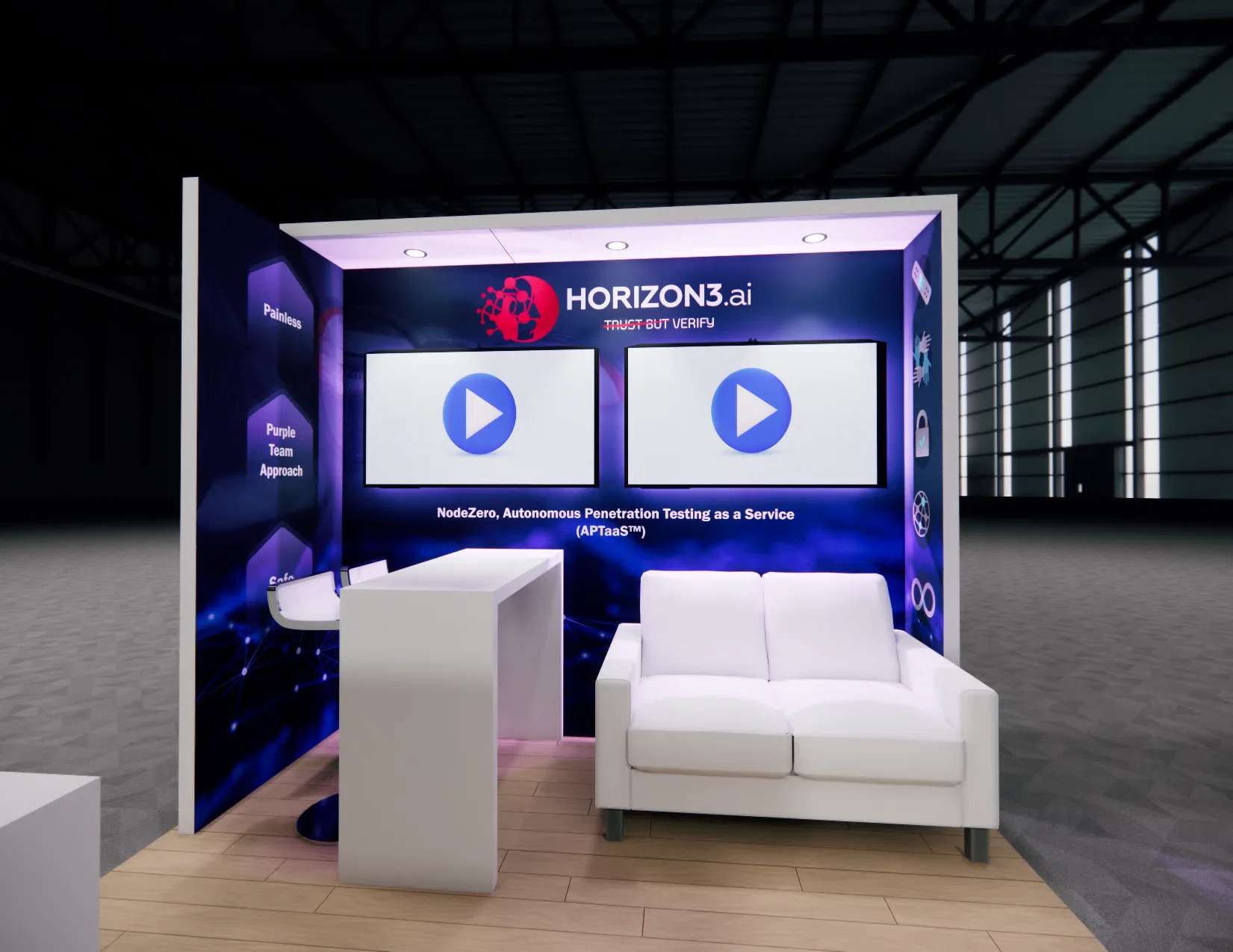
Core Pillars of Trade Show Warehouse and Asset Management
- Rigorous inventory auditing to catalog every component with serial numbers and condition reports
- Climate-controlled storage facilities to preserve electronics, fabrics, and structural elements
- Custom crating protocols that withstand repeated shipping across Dallas-area venues
- GPS-enabled tracking from warehouse dispatch to venue docks
- Coordination with venue service partners for smooth receiving
- Post-event recovery and refurbishment to extend asset lifespan
- Scalable solutions for assets ranging from 10x10 inline booths to 40x80 islands
Inventory Auditing and Cataloging Processes
Establishing a comprehensive inventory system forms the foundation of warehouse and asset management, where every exhibit element—from LED panels and tension fabrics at the Kay Bailey Hutchison Convention Center Dallas to modular frames used in Dallas Market Hall—is meticulously documented upon intake. This involves detailed condition assessments, photography for baseline records, and assignment of unique identifiers that facilitate rapid retrieval during show prep phases. Planners must align these audits with upcoming event calendars, prioritizing assets for venues like the Omni Dallas Hotel that demand compact, elevator-friendly deliveries.
Such processes prevent discrepancies that could halt installations, especially when coordinating across clusters like Dallas venues and the Irving Convention Center at Las Colinas. Regular cycle counts during storage periods ensure accuracy, while digital databases allow remote access for project managers tracking assets en route to Fashion Industry Gallery events.
Secure Storage Configurations for Exhibit Assets
Storage strategies must accommodate the diverse sizes and sensitivities of trade show materials, implementing segregated zones for electronics prone to humidity damage and oversized trusses that require racking systems capable of handling substantial weights. For exhibitors servicing multiple Dallas-area shows, rotation schedules optimize space utilization, pulling high-turnover items like portable counters to the forefront while archiving less frequent large-format graphics in archival wrapping.
Integration with venue utilities planning, as outlined in Kay Bailey Hutchison Convention Center Dallas guidelines, influences storage prep, ensuring power-dependent assets remain charged and tested. Protective measures extend to seismic bracing for stacked components, reflecting the practical realities of transporting to elevated spaces in hotels such as the Hyatt Regency Dallas.
- Palletized flooring for forklift accessibility
- Fire-rated enclosures for flammable materials
- Pest control protocols aligned with venue hygiene standards
- Annual deep cleans synchronized with off-season lulls
Shipping and Receiving Aligned with Venue Docks
Shipping manifests must incorporate venue-specific dock protocols, such as those detailed for the Kay Bailey Hutchison Convention Center Dallas, where advance reservations prevent bottlenecks during peak move-in windows shared by hundreds of exhibitors. Carriers are briefed on weight restrictions, oversized load permits for trucking to Dallas Market Hall, and sequencing to match install crews' timelines, reducing dwell times that inflate demurrage fees.
Receiving verification at the warehouse mirrors venue handoffs, with barcode scans confirming manifests against physical counts before assets proceed to crating stations. For Grapevine events at Gaylord Texan Resort & Convention Center, planners factor in longer hauls, building buffer days into schedules to accommodate traffic patterns around DFW airport corridors.
Asset Protection Through Crating and Insurance
Crating emerges as a critical safeguard, utilizing custom foam inserts and reinforced plywood for components destined for rough handling en route to Irving Convention Center at Las Colinas or downtown Dallas facilities. Designs account for forklift tines, stacking clearances, and weatherproofing, with labels clearly denoting contents, handling instructions, and orientation for upright transport to venues like the Sheraton Dallas Hotel.
Insurance layers cover transit, storage, and on-site risks, calibrated to asset valuations and venue exposures such as high-traffic exhibit halls at Fashion Industry Gallery. Claims history informs ongoing refinements, ensuring exhibitors maintain uninterrupted coverage across multi-show circuits.
Post-receipt inspections at the warehouse flag any transit damage immediately, triggering refurbishments before redeployment to prevent cascading issues at subsequent events.
- IPPC-compliant heat-treated wood for international components
- Shock-watch indicators on sensitive electronics crates
- All-risk policies excluding only Wear and Tear
- Vendor performance audits for carrier reliability
Real-Time Tracking and Reporting Integration
Advanced tracking harnesses RFID tags and IoT sensors embedded in crates, providing granular visibility from warehouse bays through final venue placement at the Hilton Anatole or Fairmont Dallas. Dashboards aggregate data on location, temperature, humidity, and vibration, alerting coordinators to anomalies during cross-town shipments within the Dallas-Fort Worth expanse.
Reporting ties into project management platforms, generating automated updates for stakeholders on asset status relative to milestones like dock calls at Kay Bailey Hutchison Convention Center Dallas. This transparency supports Just in Time deployments, minimizing on-site storage needs at space-constrained venues like Omni Dallas Hotel.
Post-Show Recovery and Refurbishment Cycles
Dismantle coordination reverses the inbound flow, with pre-arranged dock times at Dallas Market Hall ensuring prompt asset egress to evade overtime charges. Warehouse teams perform triage upon return, separating salvageable items for cleaning stations from those routed to repair bays, restoring finishes marred by event wear.
Refurbishment extends asset utility, involving graphic swaps, LED recalibrations, and structural inspections tailored to reuse profiles for recurring Dallas venues. Documentation updates inventories with post-event metrics, informing future crating enhancements based on observed transit stresses.
- Priority unpacking for high-value items
- 48-hour condition reporting windows
- Eco-friendly refurb protocols for sustainable reuse
- Inventory adjustments for consumables like flooring
Cost Management and Scalability Strategies
Budgeting for the management weighs storage duration against show frequency, leveraging tiered pricing for long-term holds versus short-term surge capacity during Dallas conventions peaks. Scalability accommodates island builds for major expos at Kay Bailey Hutchison Convention Center Dallas alongside inline setups for boutique events at Fashion Industry Gallery, optimizing fleet utilization across DFW.
Vendor negotiations secure volume discounts on crating supplies and carrier rates, while data analytics pinpoint inefficiencies like underutilized space, redirecting savings to tech upgrades for tracking.
Compliance with Multi-Venue Regulations
Adhering to venue mandates, such as service partner listings at Kay Bailey Hutchison Convention Center Dallas, requires pre-vetting logistics providers for credentials. Hazardous materials declarations align with utilities orders, preventing rejections at docks serving Omni Dallas Hotel and similar properties.
Sustainability reporting tracks reusable asset ratios, meeting evolving exhibitor RFP criteria for events spanning Irving to Grapevine venues.
- OSHA-compliant handling certifications
- Union labor coordination where venue-mandated
- Waste minimization audits per event
Frequently Asked Questions on Warehouse and Asset Management
Q: How does warehouse management integrate with dock scheduling at Dallas venues?
Warehouse dispatch schedules sync directly with venue dock reservations, such as those required at the Kay Bailey Hutchison Convention Center Dallas, ensuring assets arrive sequenced for efficient receiving and minimizing holding costs.
Q: What protections are in place for high-value exhibit assets during storage?
Assets receive climate-controlled environments, fire suppression, and 24/7 surveillance, with custom crating that withstands repeated transports to facilities like Dallas Market Hall.
Q: Can asset tracking provide visibility across multiple DFW events?
Yes, GPS and RFID systems offer End to End monitoring from warehouse to venue docks at Omni Dallas Hotel or Irving Convention Center, with real-time alerts for any issues.
Q: How is post-dismantle asset recovery handled for tight timelines?
Pre-planned egress aligns with dismantle crews, enabling rapid return to warehouse for inspection and prep for the next show, avoiding downtime between Dallas-area events.
Q: What role does inventory auditing play in cost control?
Regular audits prevent loss or overstocking, optimizing storage fees and enabling precise budgeting for crating and shipping to venues like Fashion Industry Gallery.
Q: Are there specific considerations for oversized assets in DFW venues?
Planning accounts for weight limits and access routes at hotels like Hyatt Regency Dallas, with specialized rigging and permitting integrated into management workflows.