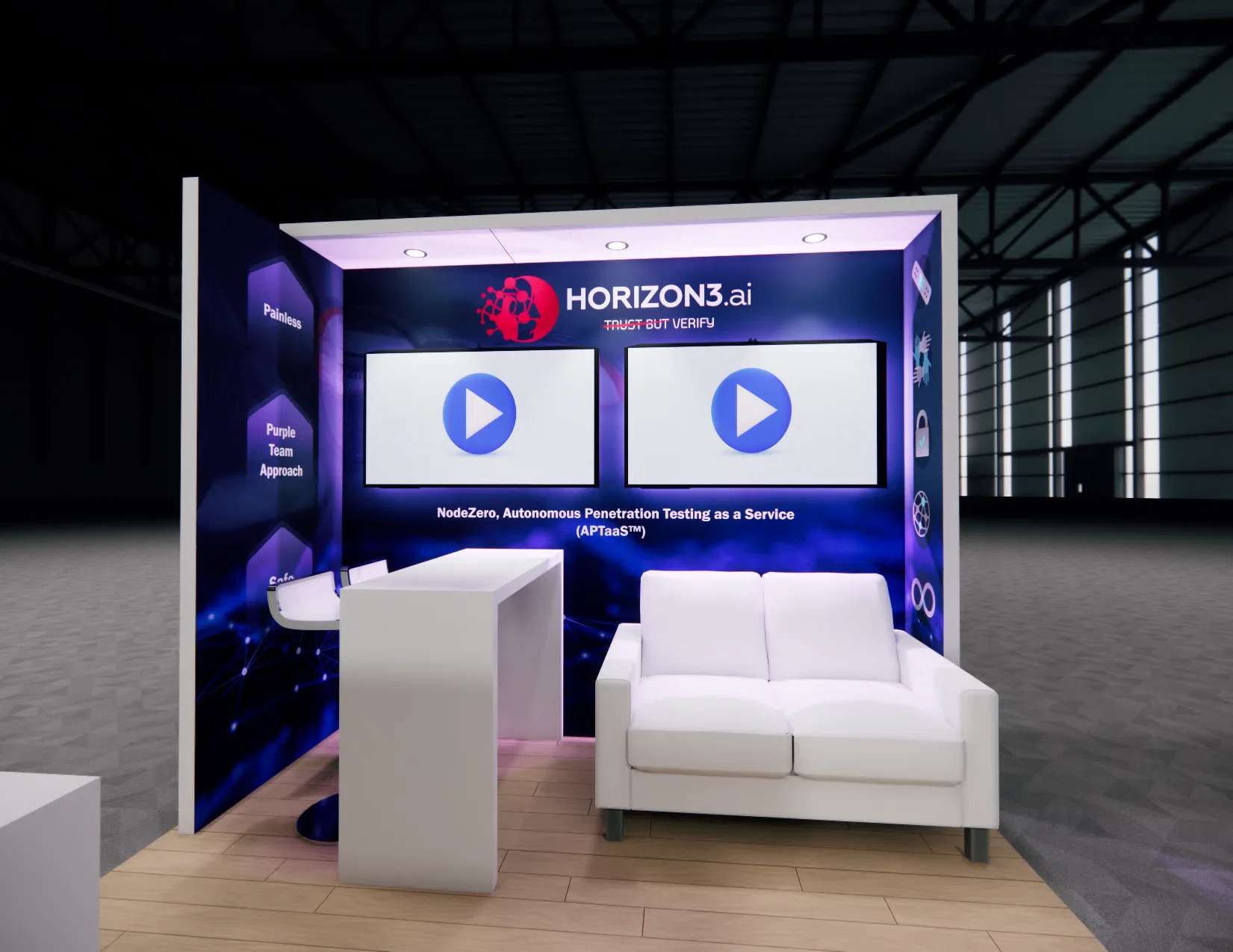
Core Components of DFW Product Launch Environments
- Venue-specific dock and freight coordination for prompt setup
- Custom spatial designs optimized for product reveal dynamics
- Integrated AV and lighting systems powered by advance utility orders
- Interactive zones fostering hands-on product engagement
- Smooth integration with trade show general contracting frameworks
- Post-launch analytics tied to activation performance metrics
- Scalable configurations across convention centers, halls, and hotels
Selecting Venues for Maximum Product Impact
Choosing the right venue sets the foundation for a product launch environment, particularly in the Dallas-Fort Worth market where facilities like the Kay Bailey Hutchison Convention Center Dallas offer vast exhibit halls ideal for grand unveilings with capacities supporting thousands of attendees and ample space for multi-zone activations. Planners evaluate floor plans to position launch areas near high-visibility entrances or intersections, ensuring product displays capture foot traffic from the moment visitors enter. At Dallas Market Hall, the venue's configuration suits sector-specific launches, such as consumer goods or apparel, where adjacent booth clusters enhance cross-pollination and immediate buyer interactions during market events.
Dock access becomes a critical factor, as seen at the Kay Bailey Hutchison Convention Center Dallas, where multiple loading bays facilitate the influx of crated product mockups, modular structures, and tech components, allowing crews to stage environments days ahead of show open. For more intimate reveals, the Fashion Industry Gallery provides a curated atmosphere, its specialized layout enabling fashion-forward product launches with integrated runway elements or pop-up retail simulations that align with the gallery's event history. Hotel venues like the Omni Dallas Hotel extend options for hybrid formats, combining exhibit spaces with adjacent ballrooms for press previews and VIP sessions preceding larger trade show activations.
- Align launch scale with venue hall dimensions and ceiling heights
- Factor in adjacency to keynote stages or registration areas
- Pre-book dock times based on shipment volumes
- Assess power grid capacity for demo equipment via utility specs
Designing Immersive Spatial Layouts
Spatial design for product launch environments prioritizes a narrative flow that guides attendees from awareness to interaction, starting with bold entry facades that tease the innovation within, constructed from lightweight yet durable frames to comply with venue load limits at places like the Kay Bailey Hutchison Convention Center Dallas. Central reveal platforms, often elevated for visibility, house the product under controlled lighting, surrounded by peripheral zones for supporting narratives—such as timeline walls chronicling development or testimonial pods featuring early adopter stories—creating a cohesive ecosystem that immerses visitors for extended dwell times.
Customization draws from venue footprints; Dallas Market Hall's open layouts permit expansive 360-degree access around product pedestals, ideal for omnidirectional demos, while the Fashion Industry Gallery's intimate scale favors linear progressions with sequential unveils, incorporating mirrors or projections to amplify perceived space. Integration of modular elements allows reconfiguration mid-event for variant product lines, with all components engineered for rapid assembly via standard rigging points available across DFW facilities.
Material selections emphasize sensory impact—textured surfaces mimicking product finishes, acoustic panels dampening ambient noise for clear demo audio—while ensuring compliance with fire safety protocols standard at convention centers and hotels alike.
Logistics and Setup Coordination
Logistics orchestration begins with detailed manifests routed through venue docks, as at the Kay Bailey Hutchison Convention Center Dallas, where advance scheduling prevents bottlenecks during peak move-in windows shared by hundreds of exhibitors. Freight coordinators sequence deliveries to match build timelines, prioritizing structural skeletons before sensitive product units, with on-site staging areas used to pre-assemble sub-modules away from high-traffic zones. This phased approach minimizes downtime and aligns with exhibitor-appointed contractor guidelines for efficient floor coverage.
For Dallas Market Hall events, logistics adapt to the hall's dedicated entry protocols, ensuring product launch components navigate service elevators or grade-level doors without conflicting with concurrent market setups. Hotel venues like the Hyatt Regency Dallas introduce nuances such as service corridors for discreet material handling, preserving guest areas during pre-event builds. Comprehensive inventory tracking via digital manifests facilitates real-time adjustments, from substituting backup displays to reallocating power drops based on final layouts.
Dismantle mirrors setup in reverse, with venue-specific load-out queues dictating pace to clear spaces promptly for subsequent events.
- Manifest sequencing by assembly dependency
- Digital tracking for component accountability
- Backup planning for freight delays
- Reverse logistics for swift post-event clearance
Technical Infrastructure Integration
Power and connectivity form the backbone of product launch environments, requiring precise utility orders placed well in advance at venues like the Kay Bailey Hutchison Convention Center Dallas, where exhibitors specify amperage for video walls, LED arrays, and interactive touchpoints that synchronize product animations with live host narratives. Data lines support app integrations for attendee scanning and lead capture, looped into CRM systems for instant follow-up, while robust grounding prevents glitches during high-draw demos.
AV coordination elevates reveals, with truss-mounted lighting rigs casting dynamic spots on product features, triggered by motion sensors or scheduled cues, calibrated to venue acoustics for optimal sound dispersion. At the Fashion Industry Gallery, compact tech footprints include wireless hotspots and battery-backed redundancies, suiting fashion-tech hybrids where AR overlays project usage scenarios onto physical prototypes. Omni Dallas Hotel setups often incorporate house systems for audio reinforcement, blending launch-specific elements smoothly.
Testing protocols run full rehearsals pre-open, verifying failover switches and signal strengths to guarantee flawless execution amid crowded bandwidth.
- Advance utility bookings per booth footprint
- Redundant power for critical demo elements
- Pre-event AV dry runs with full scripting
- Bandwidth audits for digital interactives
Activation and Engagement Strategies
Activation sequences choreograph the launch moment, commencing with ambient builds that draw crowds via projected teasers on facade screens, escalating to curtain drops or platform rises revealing the product amid pyrotechnic-free effects like confetti cannons or scent diffusers compliant with venue air handling. Trained facilitators cycle demos every 15 minutes, tailoring pitches to audience segments—technical deep-dives for buyers, lifestyle stories for influencers—fostering conversions through embedded call zones with QR-linked ordering portals.
In Dallas Market Hall contexts, activations leverage market rhythms, timing unveils to coincide with buyer rounds for instant sampling or pre-order captures. Fashion Industry Gallery launches emphasize tactile engagements, stations for product trials under gallery lighting that mirrors retail conditions. Hotel environments at the Hyatt Regency Dallas suit executive previews, with lounge-adjacent demos transitioning to deal-closing pods.
Performance tracking via heat maps and RFID badges quantifies engagement, informing real-time tweaks like amplifying popular features.
Post-Launch Evaluation and Optimization
Evaluation commences immediately post-reveal, compiling metrics from lead scanners, video analytics, and staff logs to assess dwell times, interaction rates, and conversion funnels specific to the launch environment's design efficacy. At the Kay Bailey Hutchison Convention Center Dallas, this data benchmarks against venue-wide traffic patterns, isolating product pull from ambient flow. Dallas Market Hall debriefs focus on buyer feedback loops, correlating activation peaks with sales inquiries.
Optimization feeds future iterations, refining spatial cues or tech triggers based on heat map insights, while dismantle audits ensure asset recovery for reuse. Reports synthesize qualitative notes—attendee comments on reveal pacing—with quantitative ROI, positioning subsequent launches for refined execution across DFW venues.
Sustained follow-up campaigns leverage captured data, extending the environment's impact beyond the event floor.
- Real-time metrics dashboards
- Post-event asset inventories
- ROI modeling tied to engagement data
- Iterative design refinements
Navigating Venue-Specific Protocols
Each DFW venue imposes unique protocols shaping product launch environments; the Kay Bailey Hutchison Convention Center Dallas mandates service partner coordination for all builds exceeding basic footprints, streamlining approvals for elevated platforms or specialty rigging via pre-submitted engineering stamps. Dock assignments tie directly to booth locations, optimizing haul routes to minimize fork-lift traversals across polished exhibit floors.
Dallas Market Hall streamlines for recurring markets, with standing orders for utilities suiting repeated product evolutions, while Fashion Industry Gallery protocols emphasize aesthetic harmony, vetting finishes against gallery motifs. Hotel venues like Omni Dallas Hotel require noise and light spill mitigations, coordinating with housekeeping for overnight builds to avoid guest disruptions.
Compliance checklists unify processes, from flame-retardant certifications to waste diversion plans, ensuring frictionless execution.
- Venue partner pre-qualifications
- Protocol-aligned engineering subs
- Custom checklists per facility
Scaling Launches Across Venue Types
Scaling adapts product launch environments to venue spectra, from the Kay Bailey Hutchison Convention Center Dallas's mega-halls hosting 100,000 Square Foot spectacles with tiered viewing galleries, to Irving Convention Center's mid-tier flexibility for regional debuts blending exhibits with breakout sessions. Grapevine’s Gaylord Texan Resort integrates launches into resort flows, embedding product zones amid dining and entertainment for prolonged exposure.
Modular kits enable this variance, with core reveal modules expandable via add-ons like perimeter interactives or overhead suspensions, calibrated to each site's rigging capacities. Fort Worth or Plano venues demand transport efficiencies, prioritizing flat-pack designs for regional hauls.
Holistic scaling ensures brand consistency, adapting narratives to venue vibes without diluting impact.
Frequently Asked Questions on Product Launch Environments
Q: How do dock schedules at Kay Bailey Hutchison Convention Center Dallas affect launch setups?
Dock schedules are reserved in advance based on shipment size and booth location, allowing sequential unloading to stage large product launch components efficiently without overlapping exhibitor moves.
Q: What utility planning is needed for AV-heavy product reveals?
Utility orders specify circuits for lighting, video, and interactives, placed early to match venue grids at facilities like Dallas Market Hall, with redundancies for uninterrupted demos.
Q: Can product launches integrate with hotel conference agendas?
Yes, at Omni Dallas Hotel, compact environments fit ballroom adjacencies, syncing reveals with session breaks for targeted executive engagements.
Q: How to handle interactive elements in gallery-style venues?
Fashion Industry Gallery setups use wireless tech and low-profile power for hands-on stations, ensuring mobility and aesthetic integration.
Q: What metrics define launch environment success?
Key indicators include dwell time, lead quality, demo participation rates, and post-event conversions, benchmarked against venue traffic data.
Q: How does dismantle coordination work post-launch?
Reverse sequencing clears spaces per venue load-out queues, with inventory checks preserving assets for future uses.