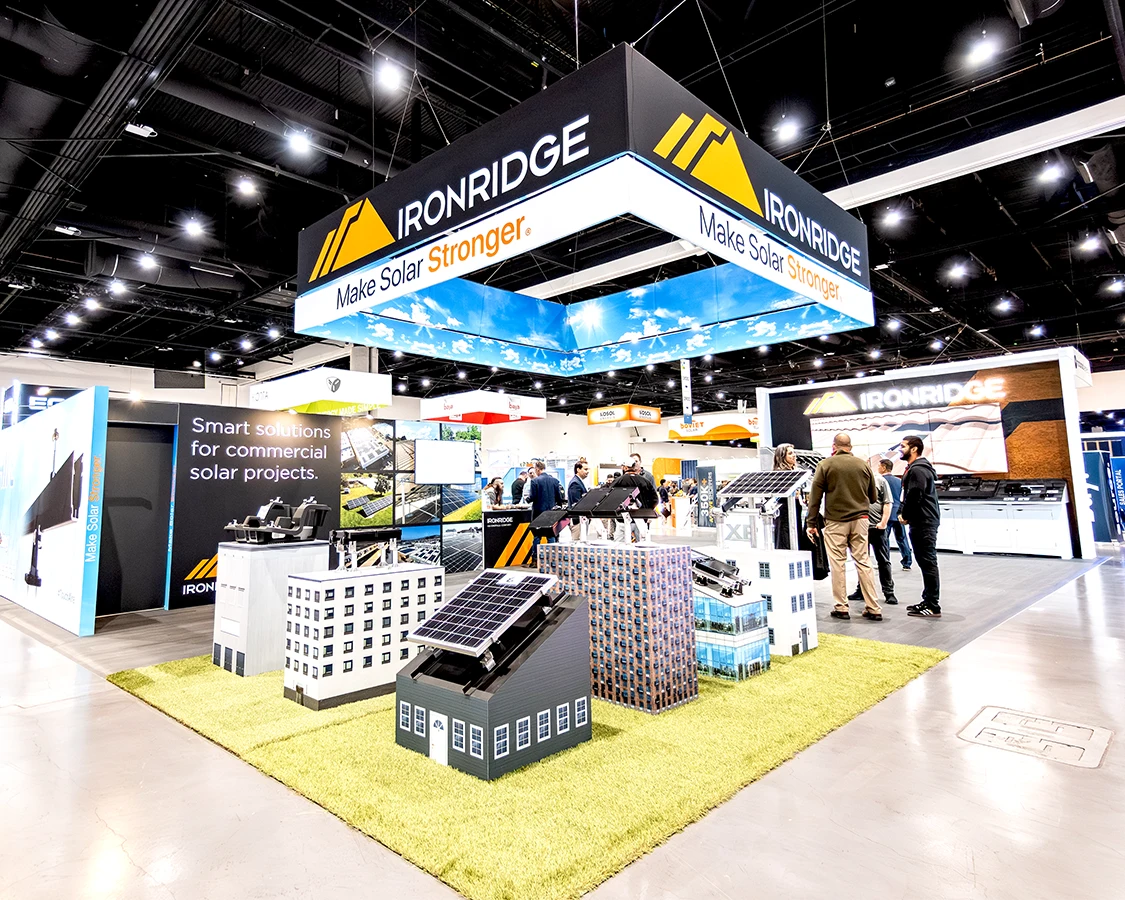
Essential Coordination Elements for Energy Trade Show Booths
- Custom booth frameworks supporting 20-foot tower structures for pipeline visualization
- Freight coordination for pallets exceeding 10,000 pounds from DFW airport proximity
- High-amperage power planning up to 400 amps for compressor and generator demos
- Modular graphics integration highlighting seismic data and reservoir mapping
- Lighting arrays simulating offshore rig conditions with LED flood systems
- Interactive touchpoints for VR tours of fracking sites and carbon capture tech
- Dismantle sequencing to meet 8 AM next-day venue turnover requirements
Navigating Venue Capacities at Kay Bailey Hutchison Convention Center Dallas
The Kay Bailey Hutchison Convention Center Dallas features over one million square feet of exhibit space, accommodating energy trade shows with configurations for island booths up to 50x50 feet that house full-scale pumpjack replicas or hydrogen fuel cell prototypes. Planners must submit booth layouts 30 days prior via the center's exhibitor portal, detailing electrical drops, compressed air lines, and drain access for fluid simulation rigs. Dock operations run 24/7 during move-in, with designated energy freight lanes prioritizing shipments from I-30 and I-35E corridors to handle tractor-trailers carrying tubular goods and valve assemblies.
Utility orders require specifications for three-phase power at 208 volts, essential for running turbine blade cross-sections or geophysical modeling software on high-end servers. Service partners listed on the center's directory manage rigging for suspended banners depicting global rig counts, ensuring compliance with 20-foot height limits and load-bearing calculations for catwalk integrations. Energy exhibitors benefit from adjacent parking for service vehicles, facilitating Just in Time adjustments to interactive kiosks showing real-time oil price feeds and ESG metrics.
Post-event, dismantle crews follow sequenced removal starting from perimeter booths, coordinating with venue staff to vacate by specified deadlines, preserving eligibility for future bookings in this energy-intensive market.
Optimizing Exhibits at Dallas Market Hall for Midstream Energy Displays
Dallas Market Hall's 120,000 square feet of column-free space suits energy trade shows emphasizing midstream logistics, where exhibitors deploy pipeline segment mockups and storage tank scale models. Advance coordination involves verifying floor load capacities up to 500 pounds per square foot for compressor units, with entry via multiple grade-level doors aligned to Harry Hines Boulevard for straightforward pallet jack maneuvers. Planners integrate hall-specific AV provisions, routing fiber optics for live feeds from Permian Basin operations centers.
Booth perimeters incorporate tension fabric systems showcasing SCADA interface demos, calibrated to hall lighting grids that enhance visibility of flow meter animations. Freight acceptance protocols demand pre-labeled crates with RFID tags for tracking through central marshalling areas, reducing wait times during peak load-in windows shared with concurrent apparel events at nearby Fashion Industry Gallery.
- Ceiling heights reaching 30 feet for vertical pipeline risers
- HVAC zoning adjustable for heat-generating solar inverter displays
- Proximity to downtown hotels for sponsor hospitality extensions
Hybrid Event Strategies at Omni Dallas Hotel and Hyatt Regency Dallas
For energy trade shows incorporating executive briefings, the Omni Dallas Hotel's 50,000 square feet of flexible ballrooms support hybrid booths blending physical electrolyzer models with virtual reality overlays of grid-scale battery storage. Coordination requires syncing hotel banquet timelines with exhibit move-ins via service elevators rated for 5,000-pound capacities, ensuring propane-fueled generator props arrive pre-inspected. Power panels deliver up to 200 amps, powering multi-screen dashboards tracking LNG export volumes.
Hyatt Regency Dallas complements with 75,000 square feet across multiple levels, where energy exhibitors configure perimeter booths for refining process flowsheets, leveraging dedicated freight elevators from Commerce Street loading zones. Planners address ballroom carpet protections under heavy valve displays, ordering custom pads to prevent residue from hydraulic fluid simulants.
Both properties facilitate networking zones adjacent to exhibits, with cordoned areas for drone footage of wind farm installations projected on curved LED walls.
Freight and Rigging Logistics Across DFW Venue Clusters
DFW's venue clusters demand tailored freight plans, starting with Kay Bailey Hutchison Convention Center Dallas's 22 dock doors equipped for 53-foot trailers carrying subsea equipment mockups. Advance dock reservations via the exhibitor app allocate slots based on shipment volumes, with overflow directed to off-site yards accessible from Stemmons Freeway. Rigging firms from the approved partner list hoist 2-ton monopods for seismic survey displays, adhering to union jurisdictional lines.
Dallas Market Hall streamlines smaller loads through grade-level access, ideal for modular tank farm setups, while Fashion Industry Gallery's boutique scale fits boutique energy tech unveilings with pallet-based deliveries. Irving Convention Center at Las Colinas offers covered docks shielding from North Texas rains, crucial for electronics-laden smart grid booths.
- Weight certifications for all suspended elements exceeding 500 pounds
- Tarping protocols for weather-exposed outbound shipments
- Labeling standards matching venue barcode scanners
Power and Utility Provisioning for Energy Demonstrations
Energy trade shows necessitate robust utilities, with Kay Bailey Hutchison Convention Center Dallas providing floor boxes every 100 feet delivering 20/30/60 amp circuits for powering downhole tool prototypes. Orders due 10 days pre-event specify cam-lok connections for 480-volt needs in electrolysis demos, budgeted against show manuals to avoid surcharges. Backup generators stage in perimeter lots for uninterrupted uptime during black-start simulations.
Dallas Market Hall's grid supports 100-amp feeds for flow loop apparatuses, integrated with water hookups for cooling loop visuals. Hotel venues like Omni Dallas route sub-feeders through risers, ensuring phase-balanced loads for three-phase motors mimicking centrifugal pumps.
Compliance and Safety Protocols for Flammable Material Exhibits
Exhibitors displaying biofuels or battery tech adhere to venue fire marshal pre-approvals, submitting MSDS sheets 45 days ahead for KBHCCD's review of propane tank placements limited to 20-gallon capacities outdoors. Booth designs incorporate 10-foot aisles around high-heat flameless torches simulating flare stacks, with suppression systems tied to hall monitors.
Coordination includes egress mapping for 1,000 Square Foot islands housing LNG vaporizer cutaways, verified against capacity charts. Post-inspection sign-offs enable public access, bolstering credibility for downstream buyer interactions.
- No-smoking perimeters extending 25 feet from fuel cell props
- Grounding straps on all metallic structures over 10 feet
- Daily logbooks for battery charge cycles
Post-Show Debrief and Asset Repurposing Strategies
After energy trade shows, dismantle phases at DFW venues follow 18-hour windows, prioritizing crate repacking for return shipments via Union Pacific intermodals. Data capture from lead scanners feeds CRM uploads, quantifying booth traffic against benchmarks from prior AAPG or SPE events hosted regionally.
Asset audits identify reusable truss systems for sequential shows at Grapevine or Plano facilities, with storage referrals to climate-controlled partners. Performance recaps inform refinements, such as brighter projectors for low-light reservoir holograms.
Frequently Asked Questions on Energy Trade Show Services
Q: What power configurations are standard for energy booth demos at Kay Bailey Hutchison Convention Center Dallas?
Configurations include 20/30/60/100 amp single-phase and three-phase options at 208/480 volts, ordered via floor box locations with cam-lok terminations for high-draw equipment like generators and compressors.
Q: How do dock reservations work for heavy freight at Dallas Market Hall?
Reservations allocate grade-level doors based on pallet counts and trailer lengths, with pre-arrival manifests ensuring smooth handoff during designated move-in shifts from 7 AM to midnight.
Q: Can hotel ballrooms handle reinforced flooring for energy machinery exhibits?
Yes, venues like Omni Dallas Hotel provide plywood overlays rated for 300 PSF, suitable for valve racks and pumpjacks when pre-approved by engineering staff.
Q: What are the timelines for booth layout submissions across DFW venues?
Typically 30 days for convention centers like KBHCCD and 21 days for hotels, including detailed renders showing utilities, rigging, and egress paths.
Q: How are flammable props managed at Fashion Industry Gallery?
Pre-event fire marshal inspections limit quantities and require separation distances, with suppression readiness tied to exhibit activation.
Q: What post-dismantle protocols apply at Irving Convention Center?
Full vacancy by 10 AM next day, with floor sweeps and trash removal coordinated through service partners to release deposits.