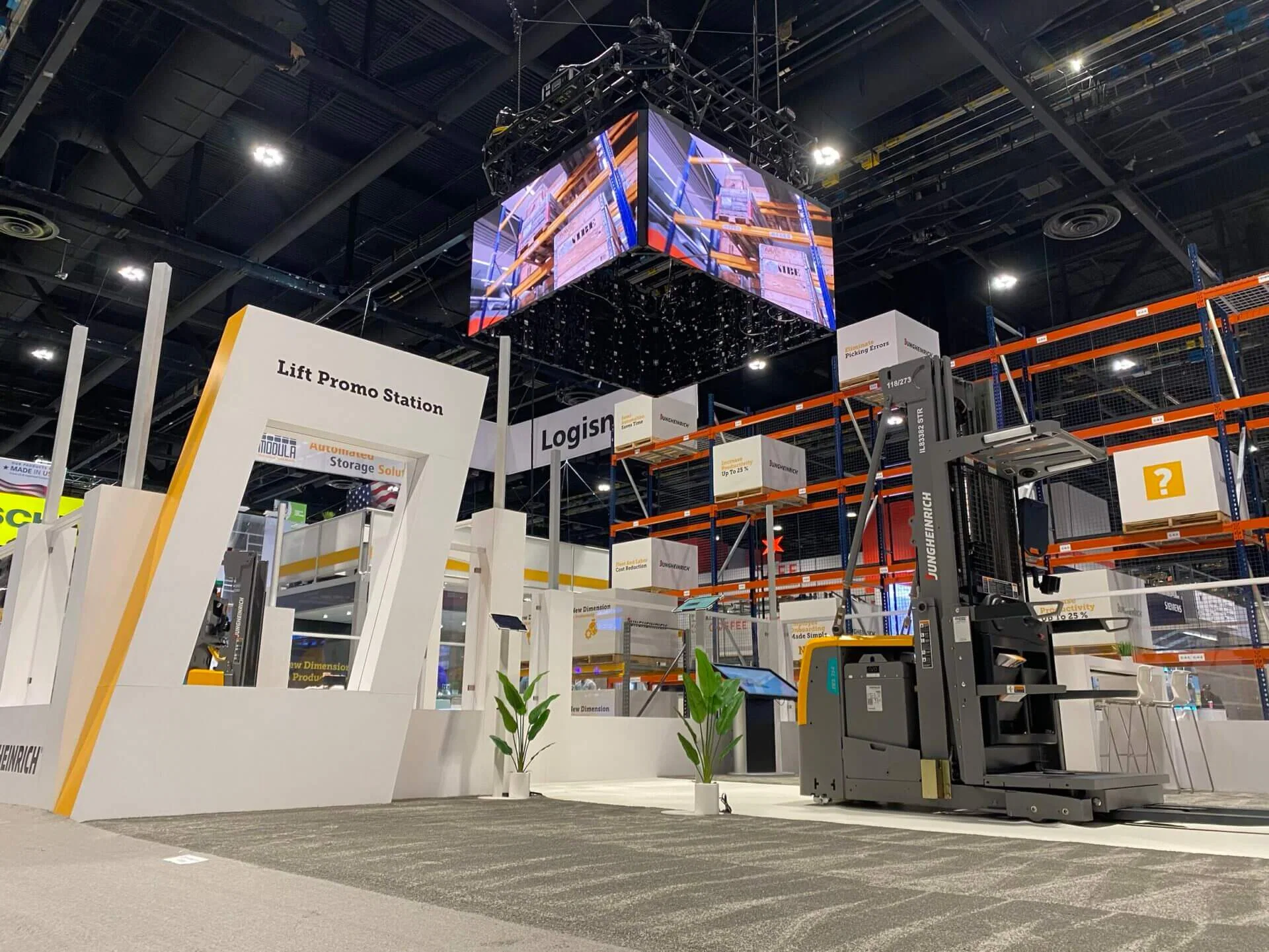
Essential Elements of Effective Conference Booth Displays
- Adaptable footprints for 10x10 to 20x20 spaces common in conference halls
- High-impact graphics using tension fabrics for quick visual engagement
- Integrated lighting powered by venue-supplied multi-outlet strips
- Modular components for efficient freight handling via venue docks
- Branding consistency across counter heights and backwall headers
- Tech integration like monitors on secured mounts for demo sessions
- Durable finishes to withstand foot traffic in multi-day formats
Tailoring Displays to Convention Center Scales
The displays at the Kay Bailey Hutchison Convention Center Dallas must account for expansive hall configurations that host major professional conferences, where booth lines form along perimeter walls or central aisles. Planners specify frame systems with maximum heights adhering to the venue's 16-foot backwall limit, incorporating lightweight aluminum extrusions that assemble via snap-fit connections for labor efficiency during supervised setup windows. These displays feature curved header panels that arc over entry points, drawing attendees from passing traffic while maintaining clear sightlines to demo areas stocked with literature holders and charging stations.
Visual hierarchy in the displays emphasizes layered messaging, starting with bold floor graphics adhered directly to hall carpets and rising to illuminated channel letters on backwalls. At this venue, advance coordination through the exhibitor utilities portal secures 20-amp circuits positioned at standard booth corners, powering LED strips that accentuate product replicas or interactive touchscreens. The result supports extended dwell times as visitors engage with rotating content loops designed for quick-scan consumption amid tight schedules.
Utility Integration for Reliable Performance
Power demands for the displays at the Kay Bailey Hutchison Convention Center Dallas require precise forecasting, with exhibitors submitting orders weeks ahead via the dedicated utilities system to access hard-service connections like 208-volt three-phase lines for heavier loads. Standard 10 by 10 displays typically draw from 750-watt packages including multi-tap strips, ensuring gadgets from tablets to projectors operate without tripping breakers during peak hours. Planners map cable runs under booth skirting to prevent trip hazards, complying with the venue's marked electrical guidelines.
Beyond electricity, the displays incorporate compressed air lines where available, routing hoses through frame legs to support pneumatic product demos in tech or medical conferences. Water hookups, though less common, connect via quick-disconnect fittings for beverage sampling stations, all pre-arranged to match the venue's service partner protocols and avoid last-minute surcharges.
- Pre-order 20-amp services for lighting arrays
- Secure multi-outlet extensions for peripheral devices
- Route cables to designated floor boxes
Freight and Dock Logistics Mastery
Dock operations at the Kay Bailey Hutchison Convention Center Dallas dictate the freight strategy for the displays, with multiple bays handling inbound shipments during designated windows from 8 a.m. To 6 p.m. Planners label cases with booth numbers and contents for swift offloading by union labor, positioning padded crates containing tension systems and graphic tubes near assigned marshal areas. This sequence minimizes dwell fees, as displays disassemble into components under 150 pounds per piece for cart transport to hall floors.
Post-event dismantle follows reverse protocols, with displays struck within four-hour overtime windows to clear spaces for turnover. The displays benefit from protective wrapping on reusable frames, safeguarding against Dock to Booth journeys across concrete ramps and carpeted corridors.
Exhibition Hall Adaptations at Dallas Market Hall
Dallas Market Hall configurations suit the displays for apparel and gift shows, where narrower bays demand slim profiles with single-sided backwalls framing apparel racks and sample towers. Displays here deploy Pipe and Drape hybrids augmented by fabric prints, allowing rapid reconfiguration between market sessions while meeting hall's basic utility drops at floor pedestals. Planners align these with permanent column spacing to avoid encroachments, enhancing flow in high-turnover environments.
Engagement zones in these displays feature pedestal counters clad in branded laminate, positioned to interface with adjacent exhibitors without spillover. Lighting pendants clip onto truss systems compliant with the hall's overhead clearance rules, illuminating rotating merchandise displays that cater to buyer pacing.
- Use slim frames for 8-foot aisle compatibility
- Incorporate adjustable shelving for product variety
- Pendant lights for focused illumination
Specialized Setups in Fashion Industry Gallery
The Fashion Industry Gallery hosts niche conferences where booth displays emphasize vertical merchandising, stacking garment forms on tension towers that reach gallery's moderate height caps. These setups integrate mirrored panels reflecting runway-inspired graphics, creating immersive brand stories within compact footprints suited to the venue's creative event flows. Planners coordinate with gallery management for accessory power via extension circuits, powering steamers and monitors without dedicated booths.
Display modularity shines here, with interlocking panels swapping seasonal themes via magnetic graphics, supporting quick pivots for Back to Back fashion weeks. Counter wraps in vinyl mimic fabric textures, inviting tactile interactions from designer attendees.
Hotel Conference Dynamics at Omni Dallas
Omni Dallas Hotel ballrooms transform for corporate conferences, requiring the displays that navigate doorway widths and elevator capacities during off-peak moves. Portable pop-up frames with rollable bases position smoothly in pre-function foyers, connecting to hotel-provided 15-amp outlets recessed in skirted walls. These displays prioritize low-profile lighting to avoid ceiling conflicts, using battery backups for uninterrupted video loops during power fluctuations.
Hybrid elements like folding partition screens divide shared spaces, with displays anchoring corners via weighted bases that comply with no-penetration policies. Planners time installs around guest turnover, ensuring displays enhance rather than disrupt hospitality flows.
- Battery integration for mobility
- Weighted bases for stability
- Folding screens for space division
Multi-Venue Versatility Across Dallas Area
The displays achieve consistency when planned for rotation across Kay Bailey Hutchison Convention Center Dallas, Dallas Market Hall, and hotel sites like Hyatt Regency Dallas, standardizing components like interchangeable graphic pockets and universal power pods. This approach streamlines budgeting by reusing frames across venue scales, from grand halls to intimate ballrooms, while adapting heights via telescoping poles to match varying fire marshal specs.
Logistics coordination centralizes freight manifests for bay assignments at convention centers and valet loading at hotels, optimizing truck routes through DFW corridors. Durability testing on fabrics and hardware ensures displays endure repeated setups, maintaining crisp edges and busy colors through dozens of cycles.
Frequently Asked Questions About Conference Booth Displays
Q: What sizes work best for conference booth displays in Dallas venues?
Standard 10x10 and 10x20 footprints fit most conference setups at Kay Bailey Hutchison Convention Center Dallas and Omni Dallas Hotel ballrooms, with modular extensions for 20x20 where hall diagrams permit.
Q: How do utilities factor into conference booth planning?
Advance orders through venue portals like the Kay Bailey Hutchison Convention Center Dallas utilities system provide essential power, with packages starting at 750 watts for basic lighting and device needs.
Q: What dock procedures apply at major Dallas convention centers?
Freight arrives during scheduled windows at Kay Bailey Hutchison Convention Center Dallas docks, labeled for quick marshal to booths, avoiding overtime charges on multi-piece shipments.
Q: Can this work adapt to hotel conferences?
Yes, portable frames with rollable bases and battery options suit Omni Dallas Hotel and Hyatt Regency Dallas, fitting elevators and complying with no-drill policies.
Q: How to ensure visual compliance in exhibition halls?
Tension fabrics and low-glare lighting meet Dallas Market Hall and Fashion Industry Gallery standards, focusing on aisle clearances and overhead limits.
Q: What makes displays durable for multi-day conferences?
Reusable aluminum frames and protective crating handle repeated installs at venues like Kay Bailey Hutchison, preserving graphics through freight handling.